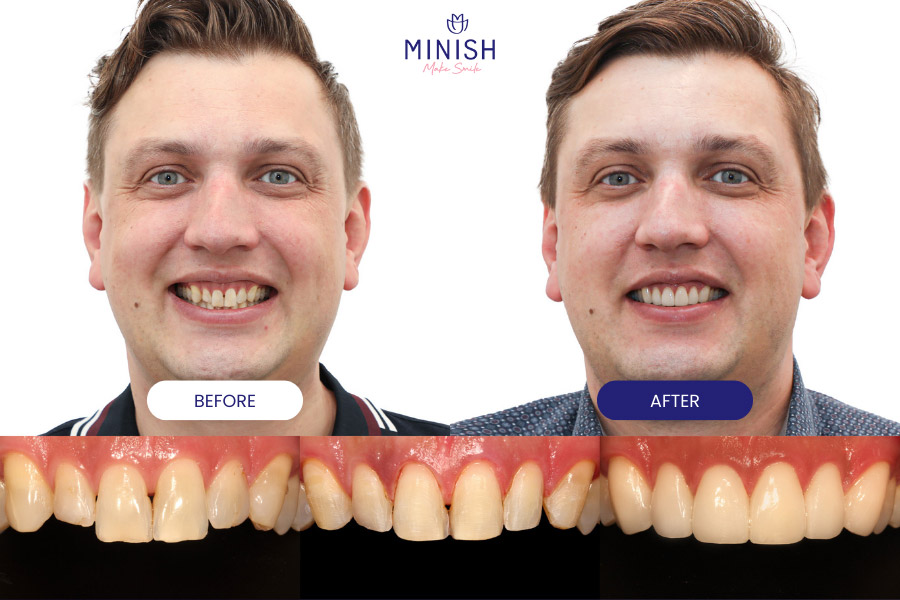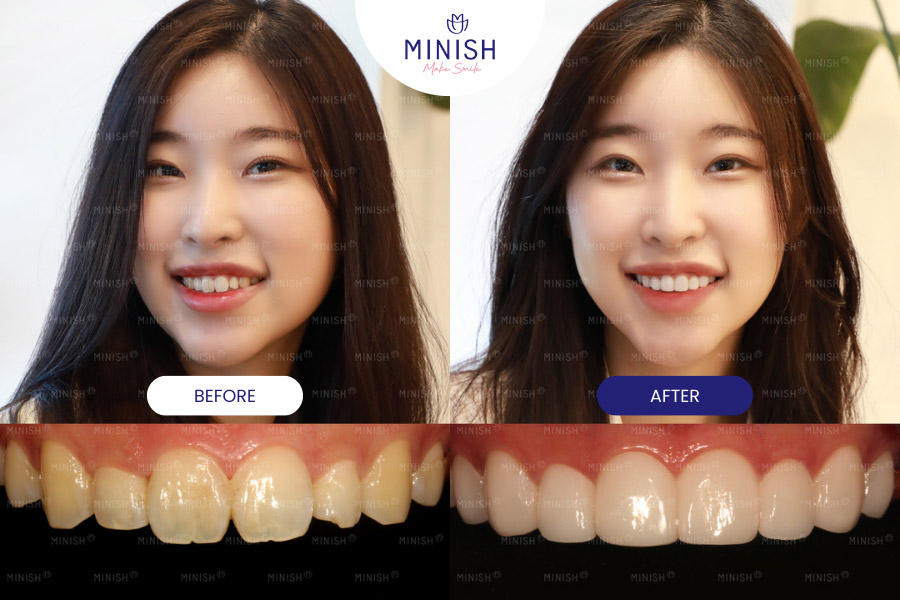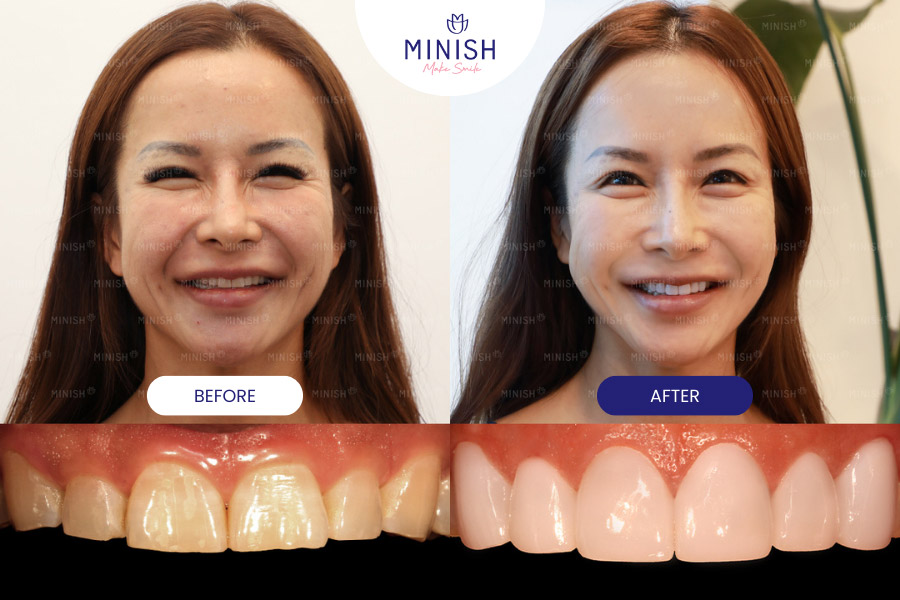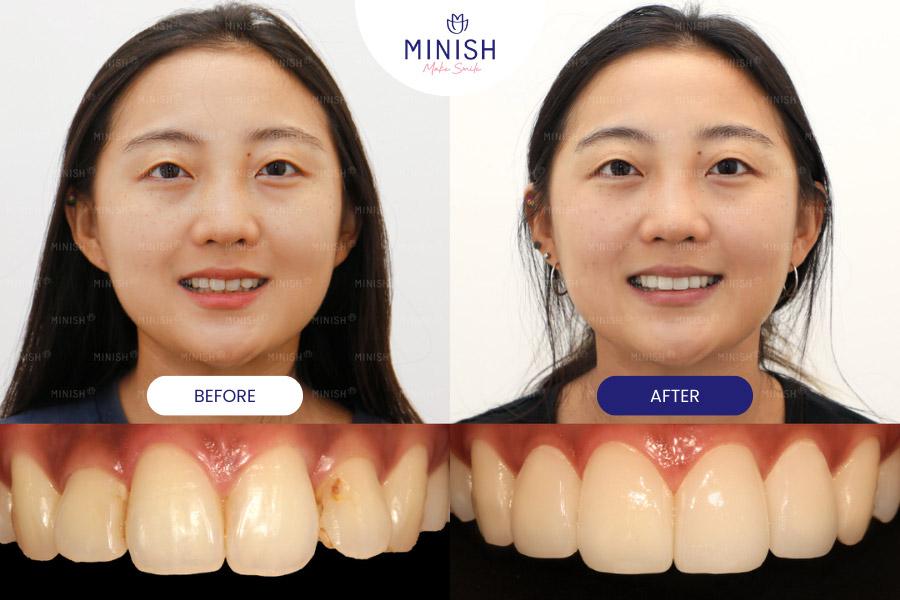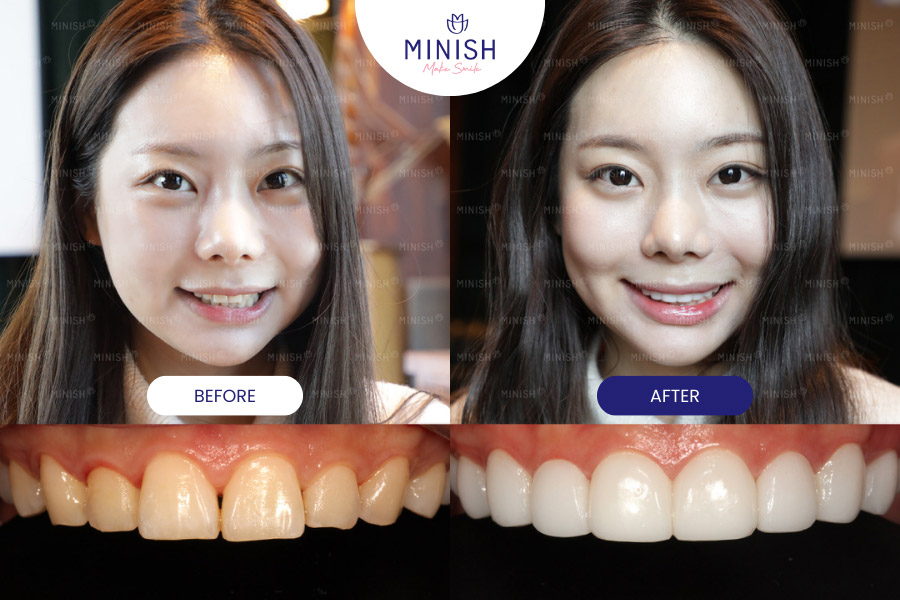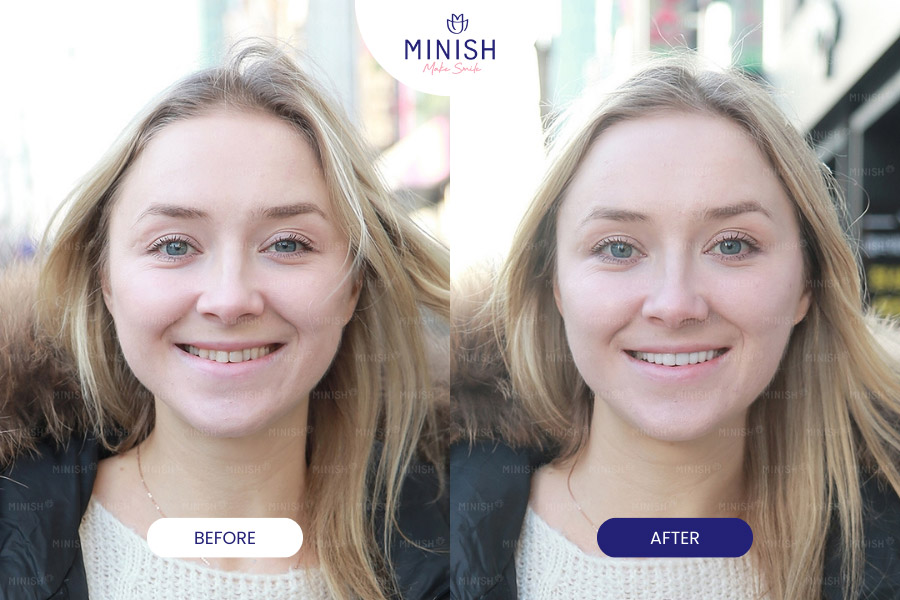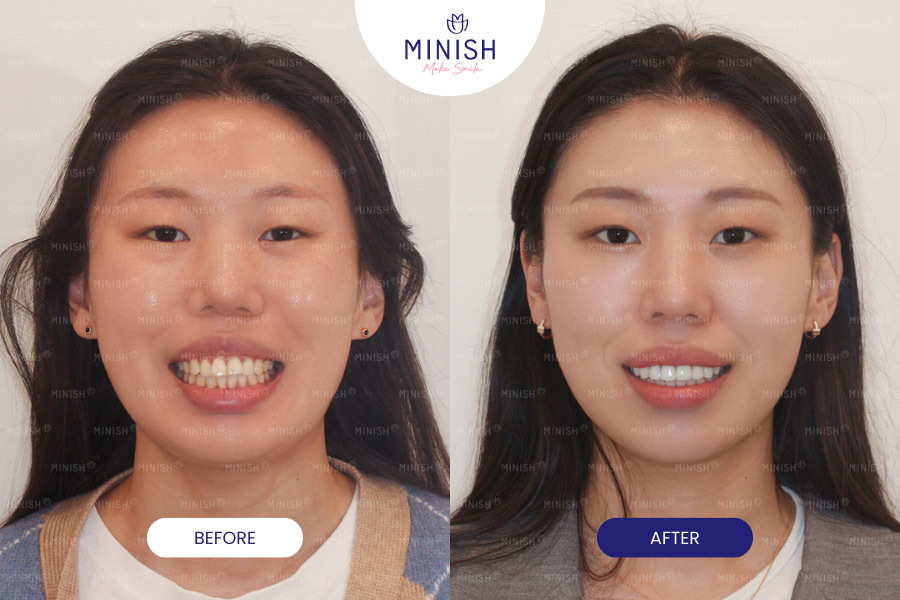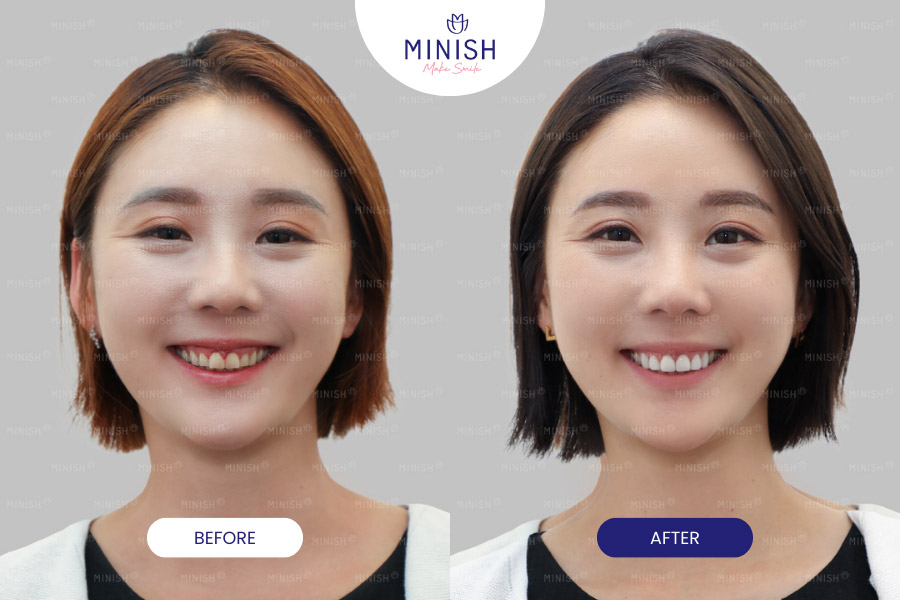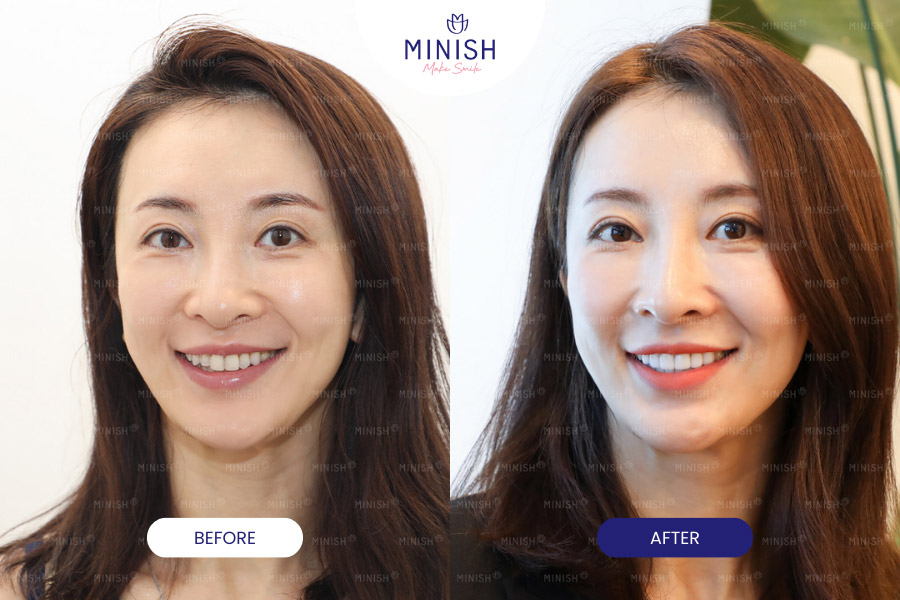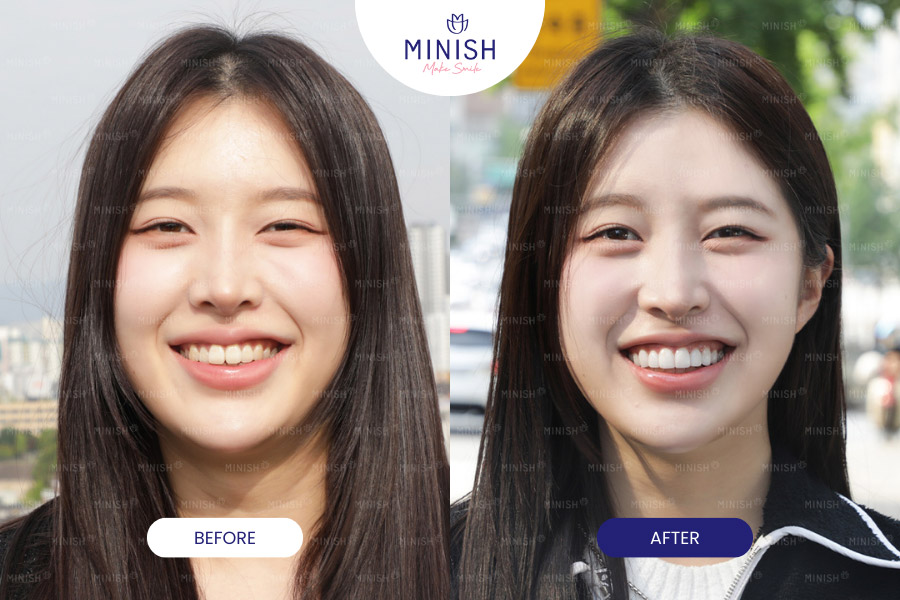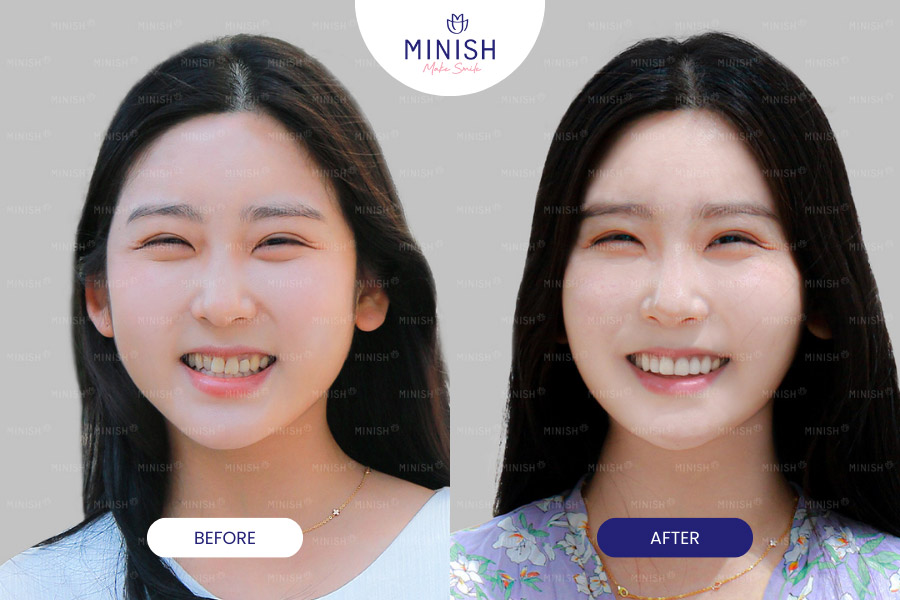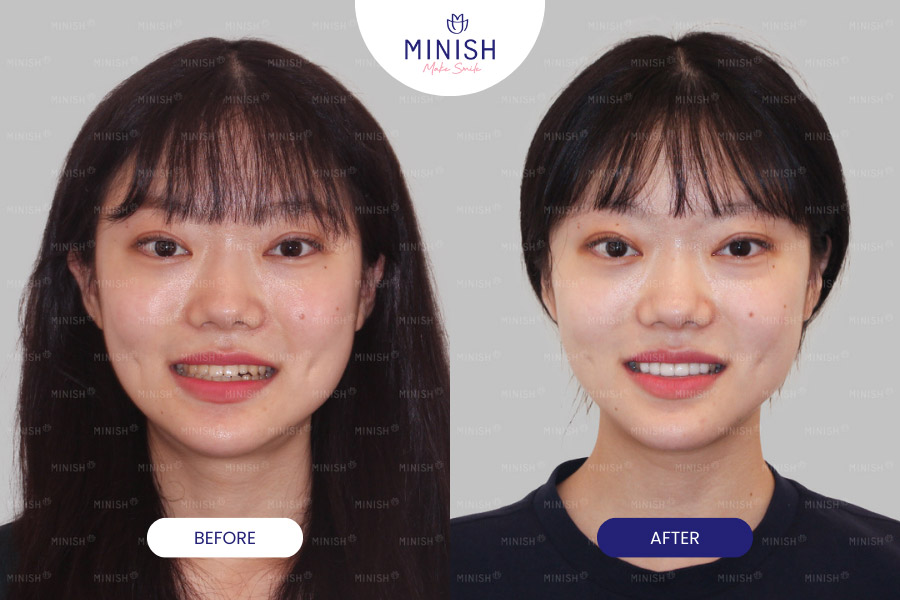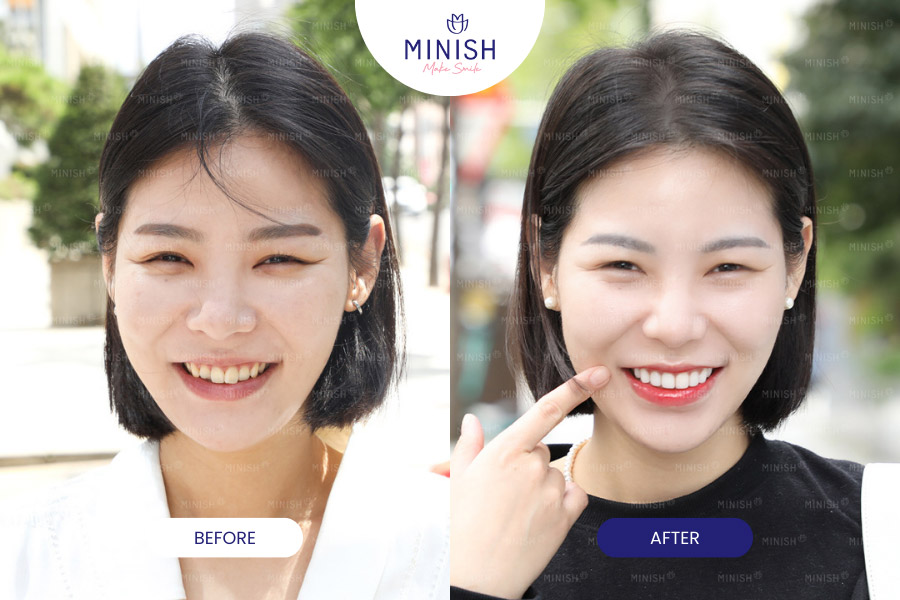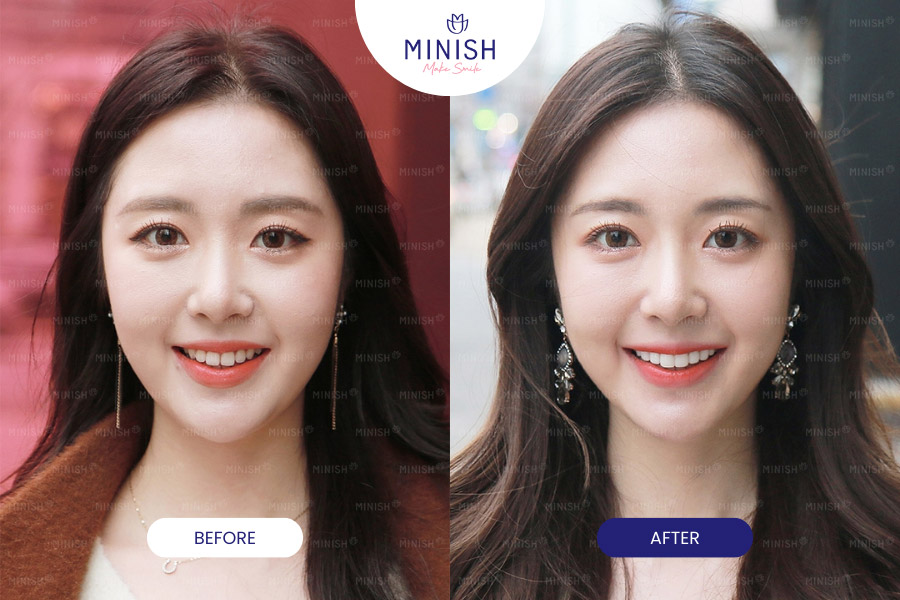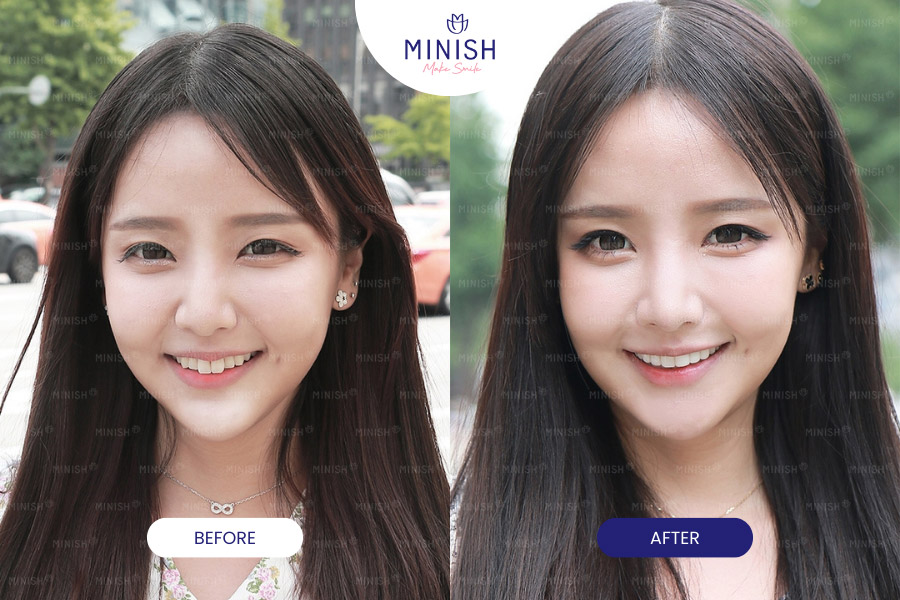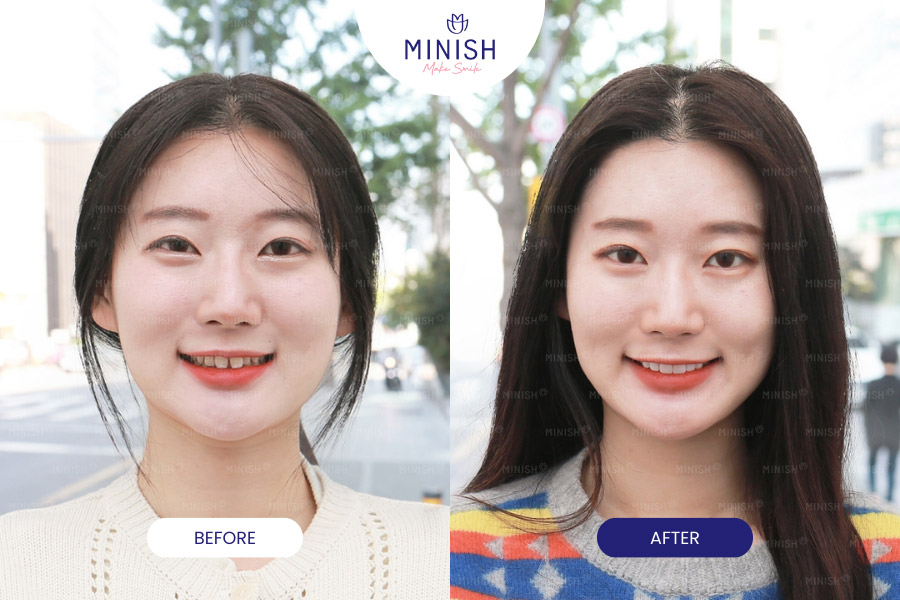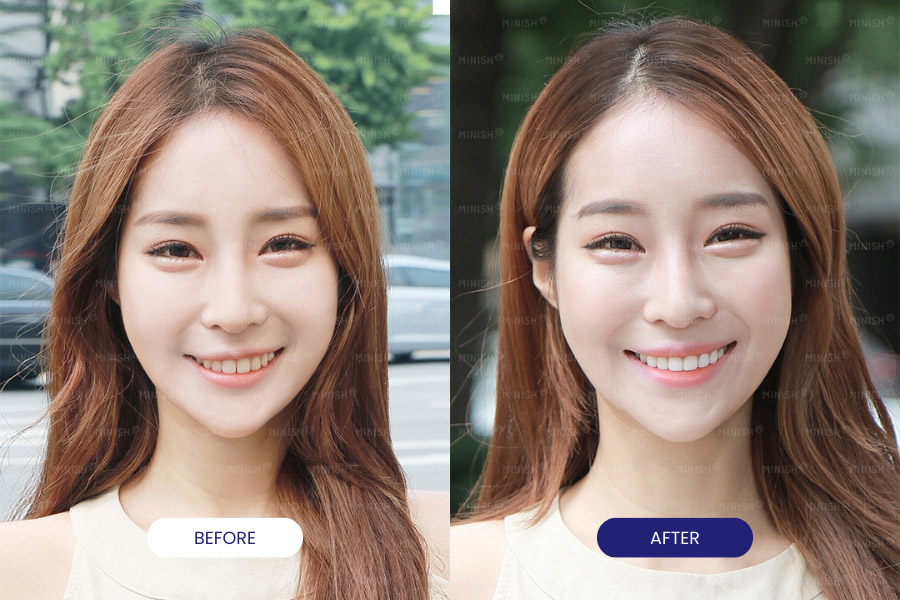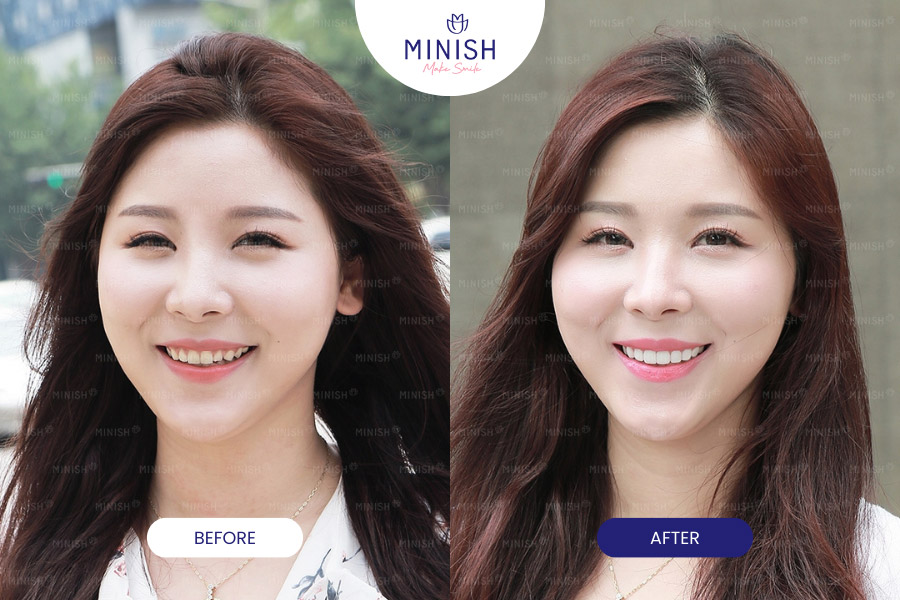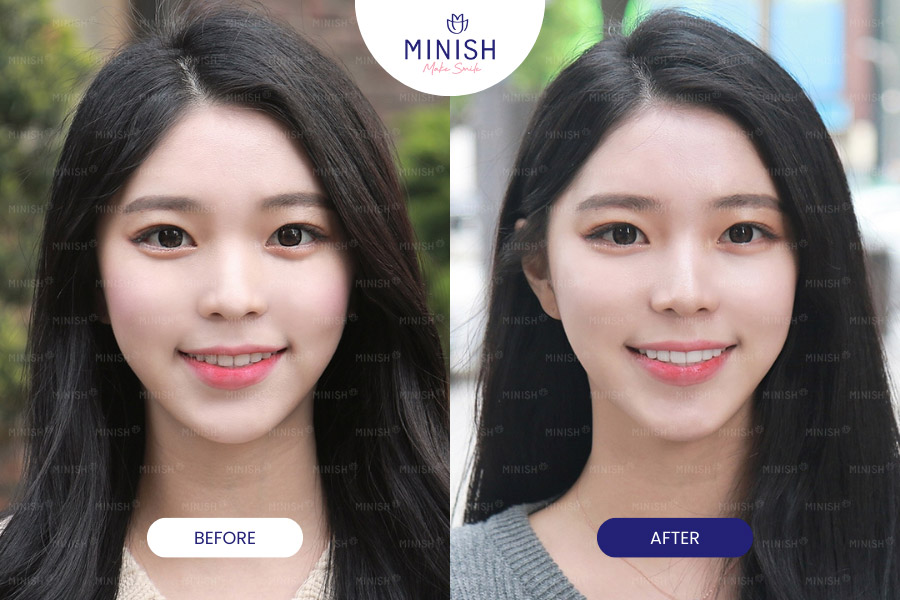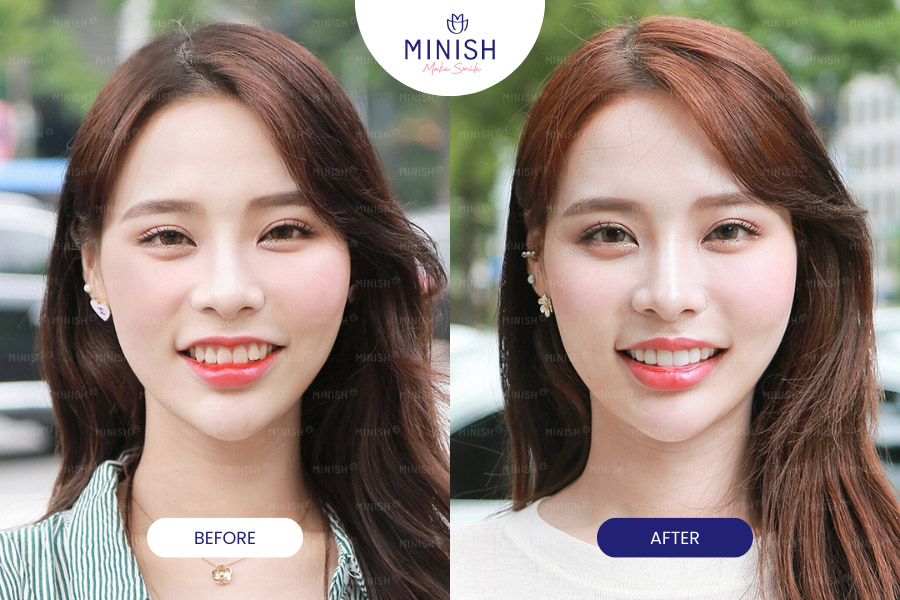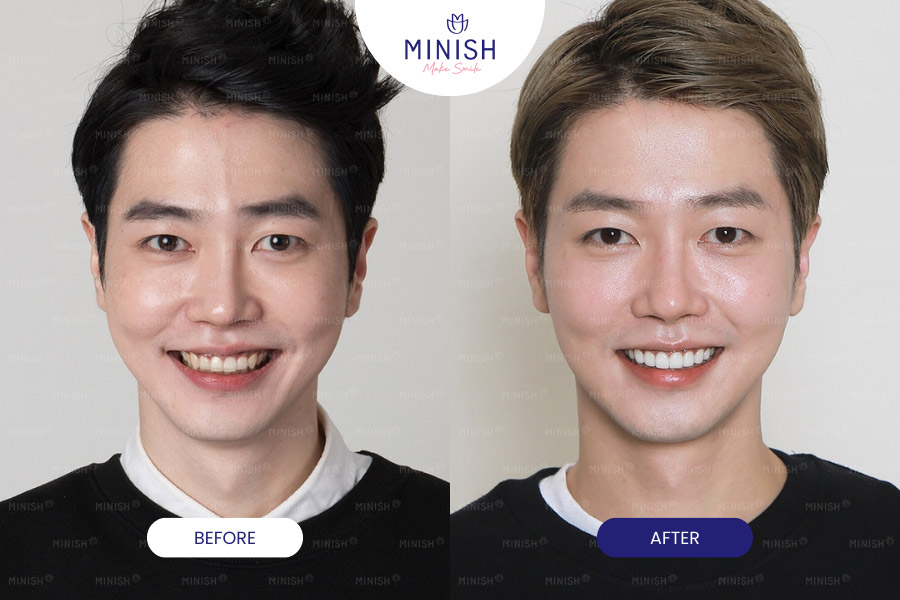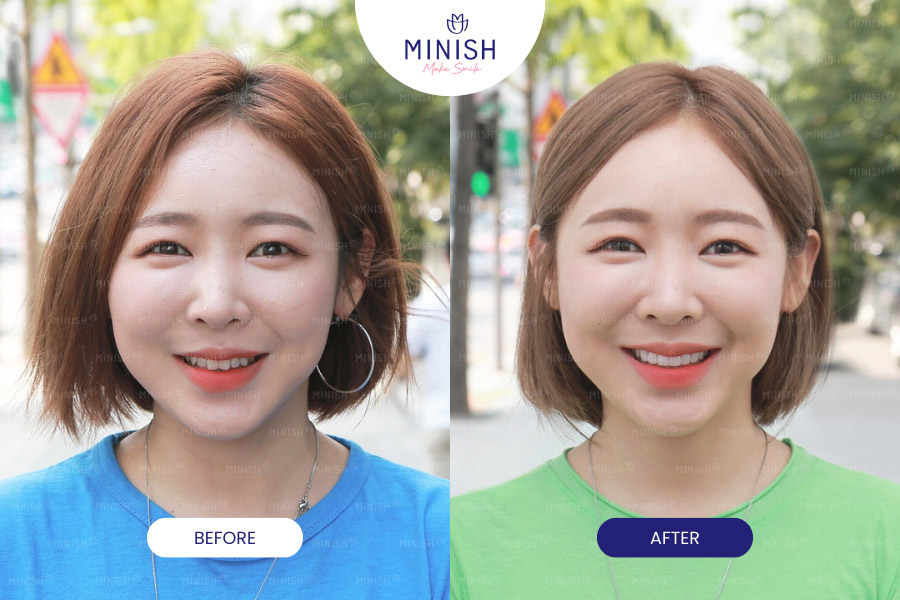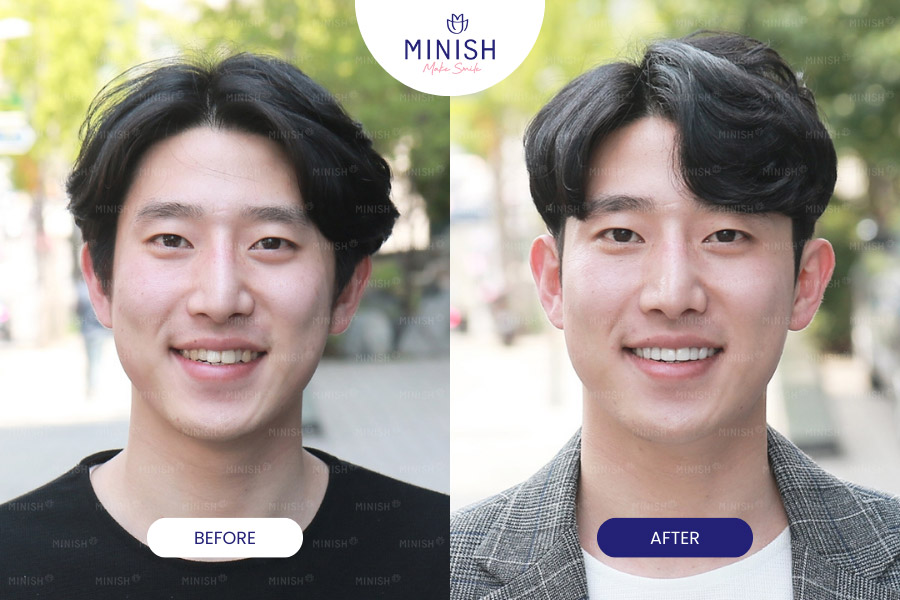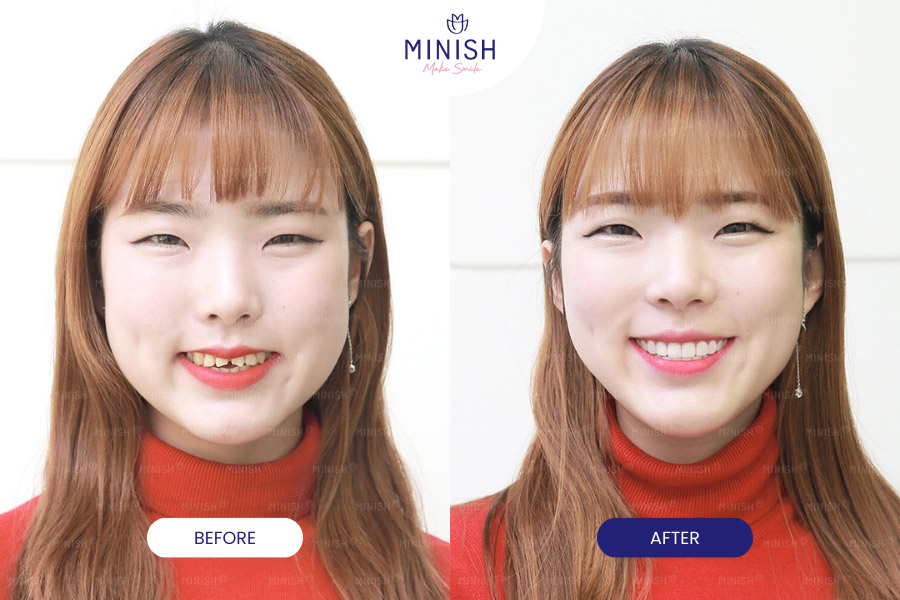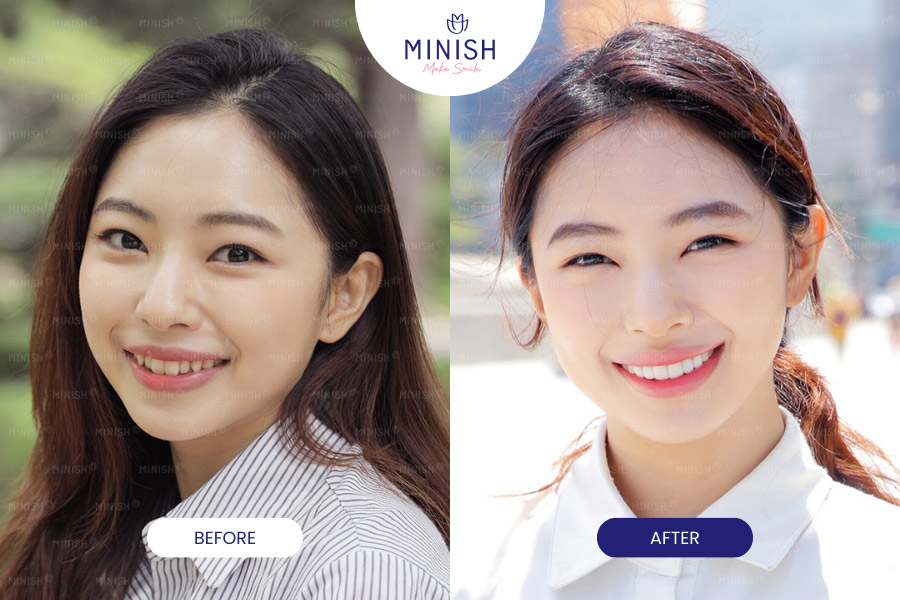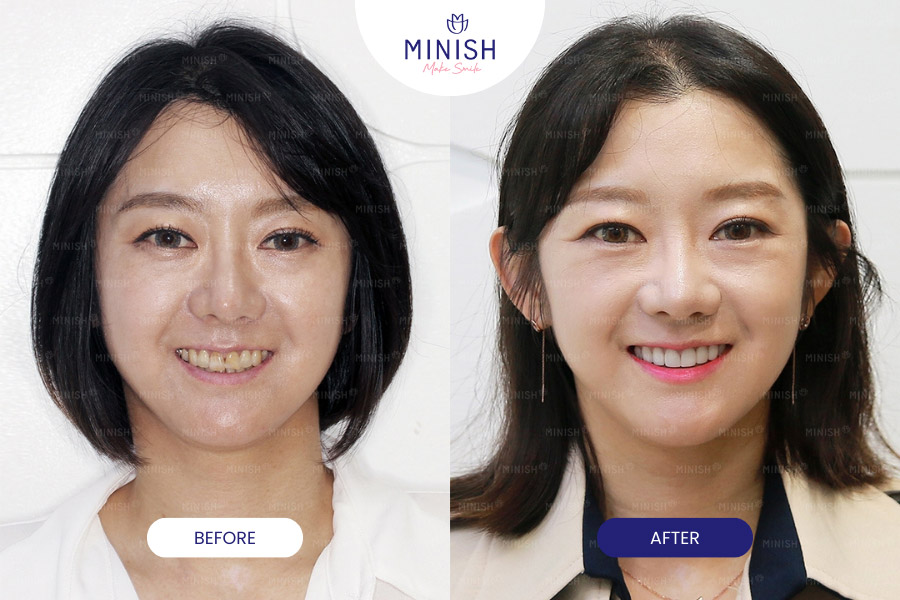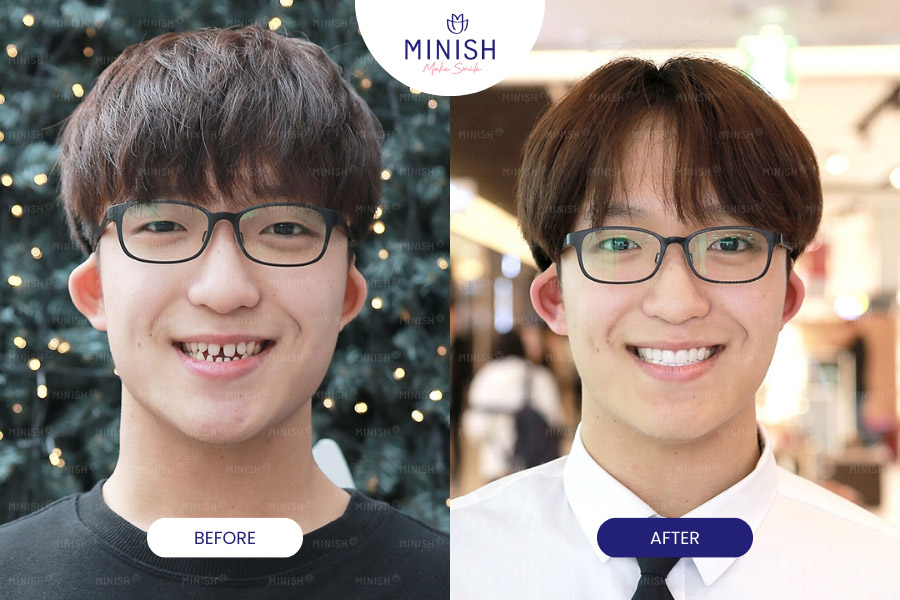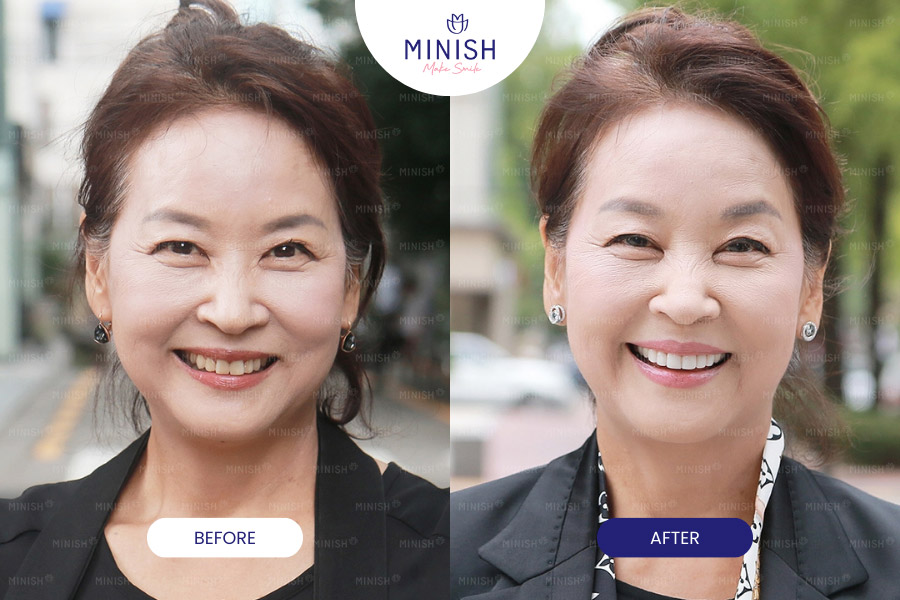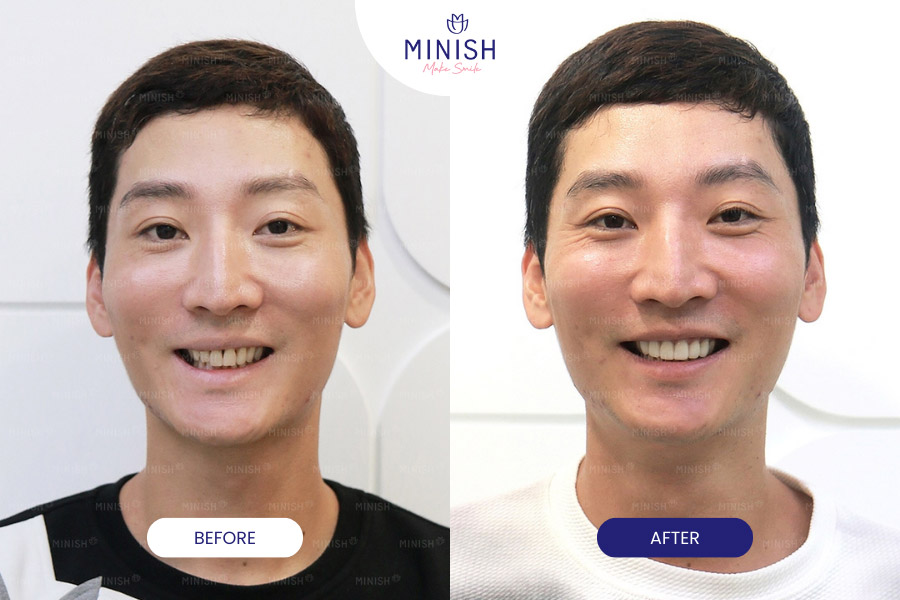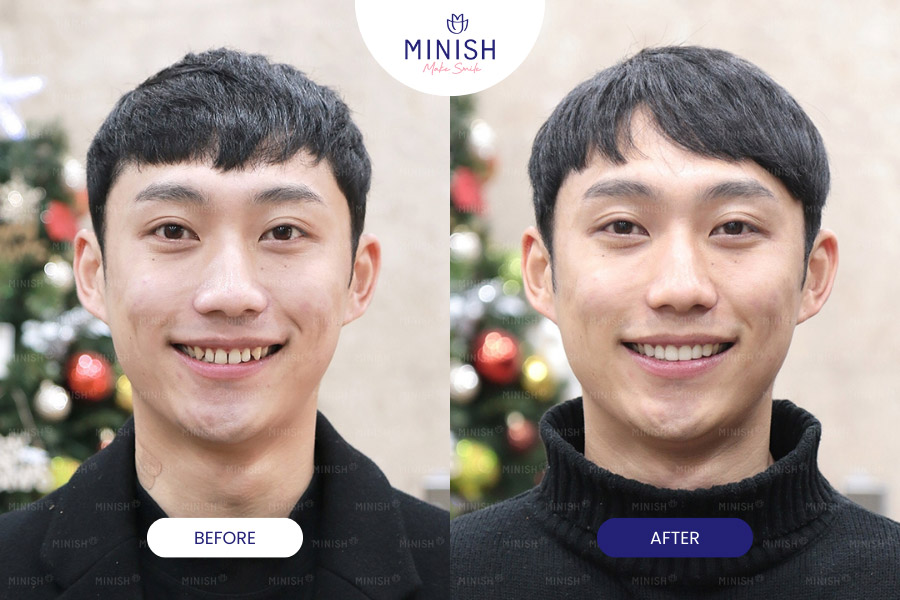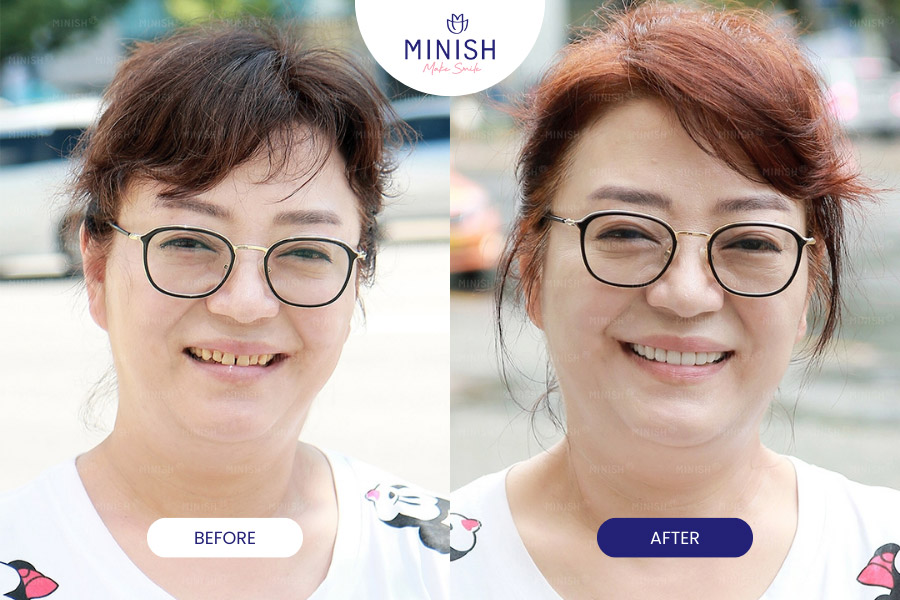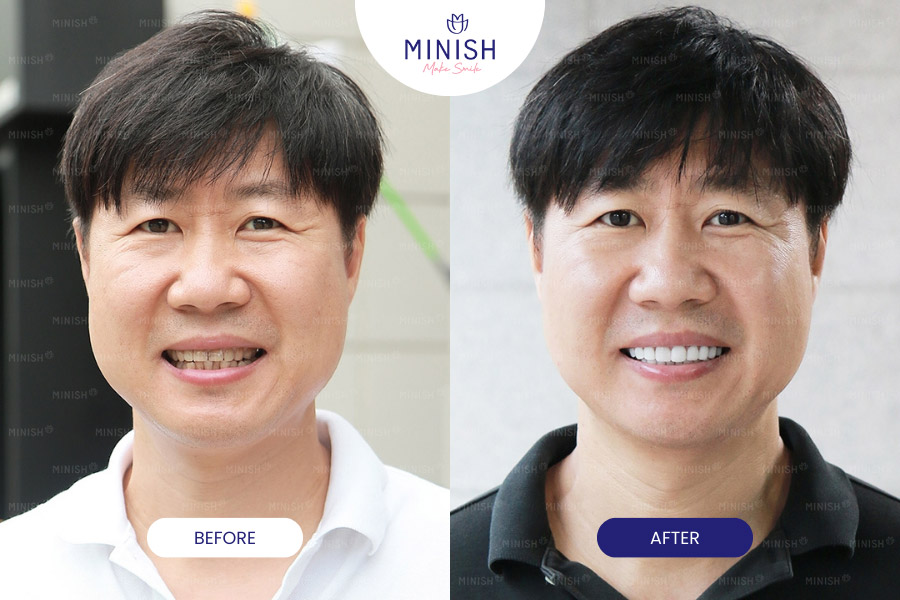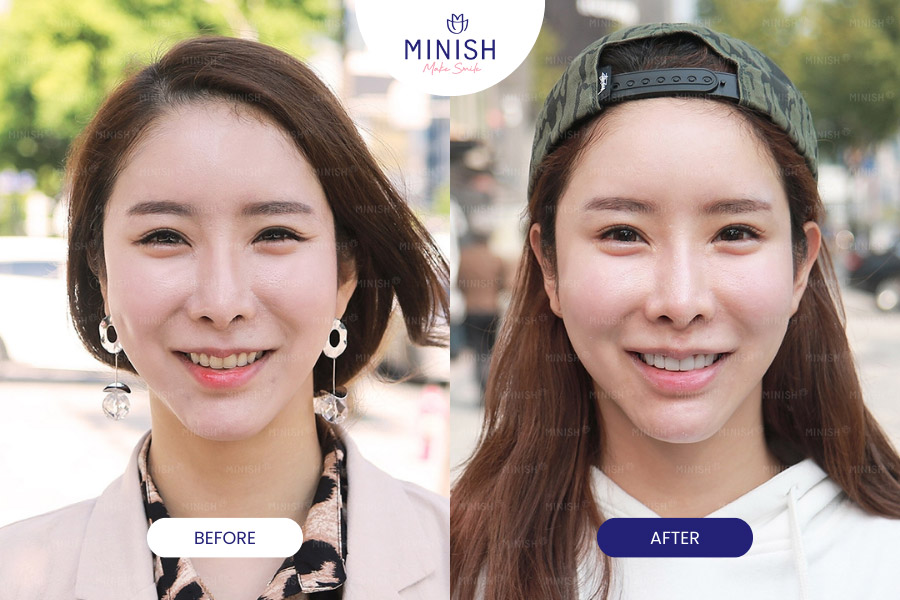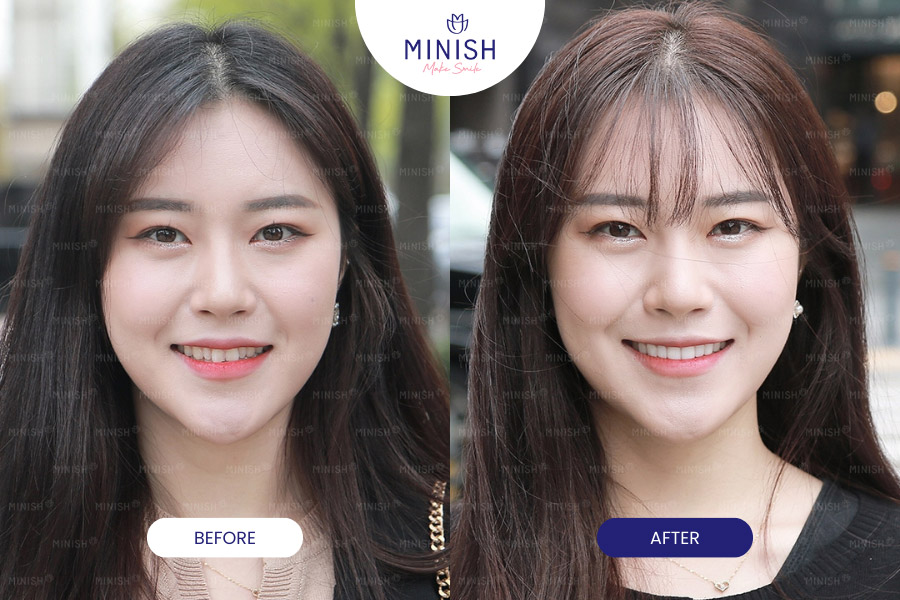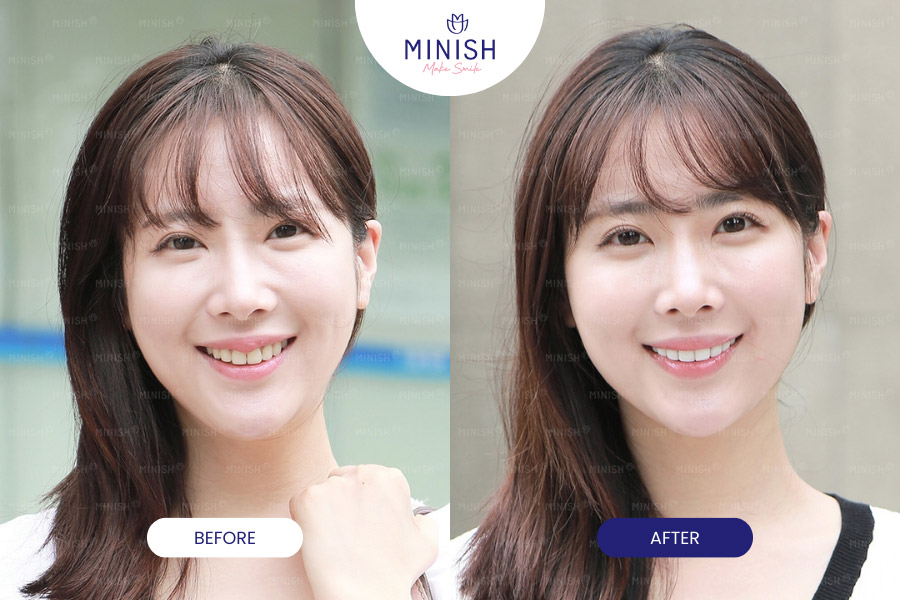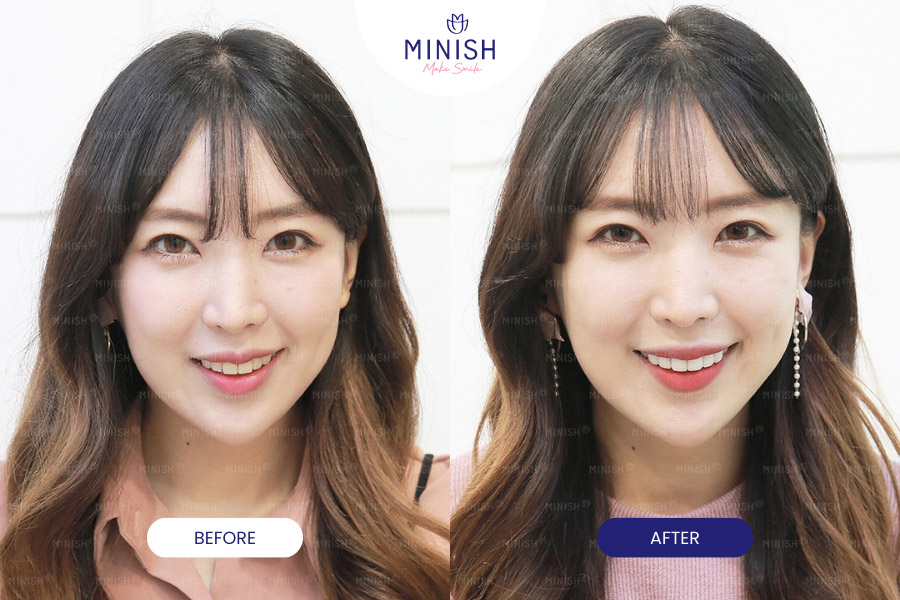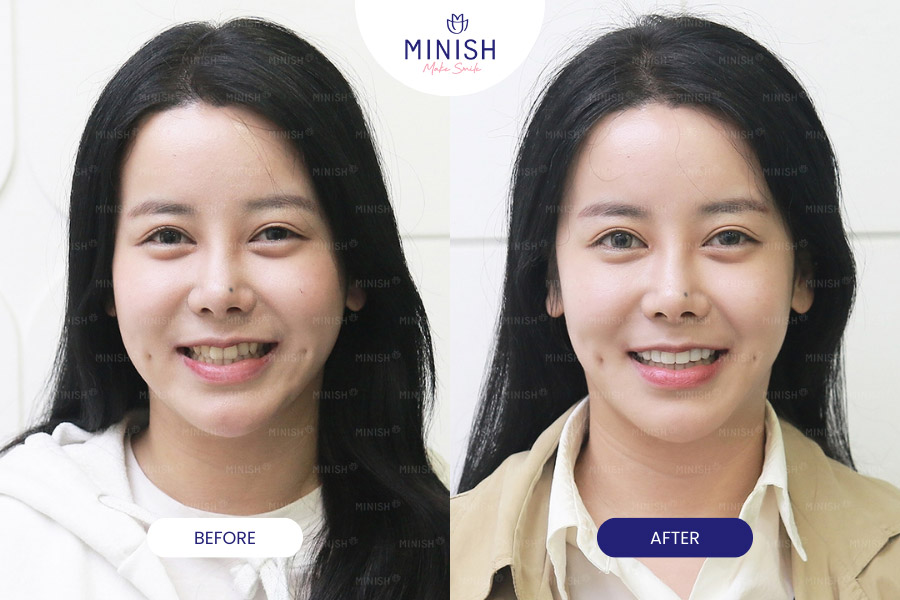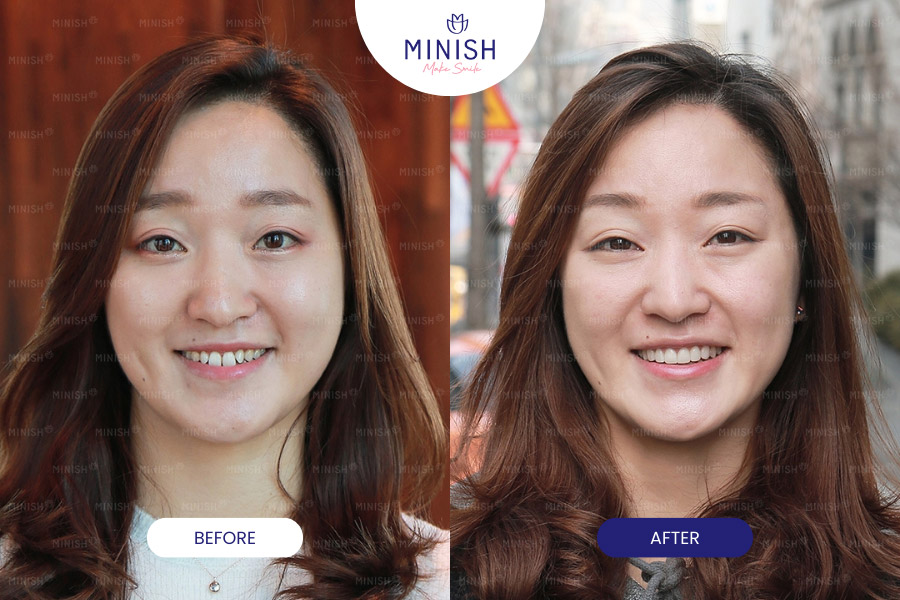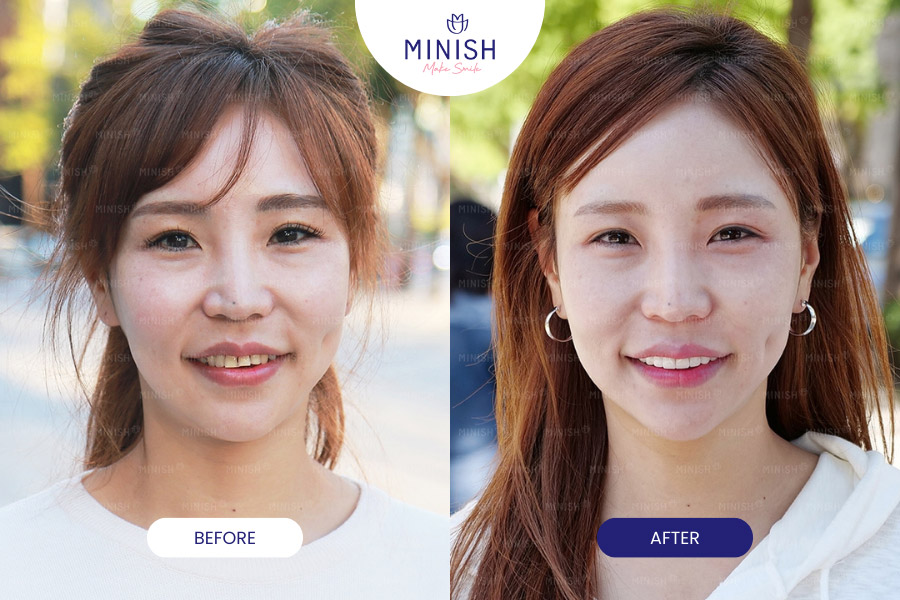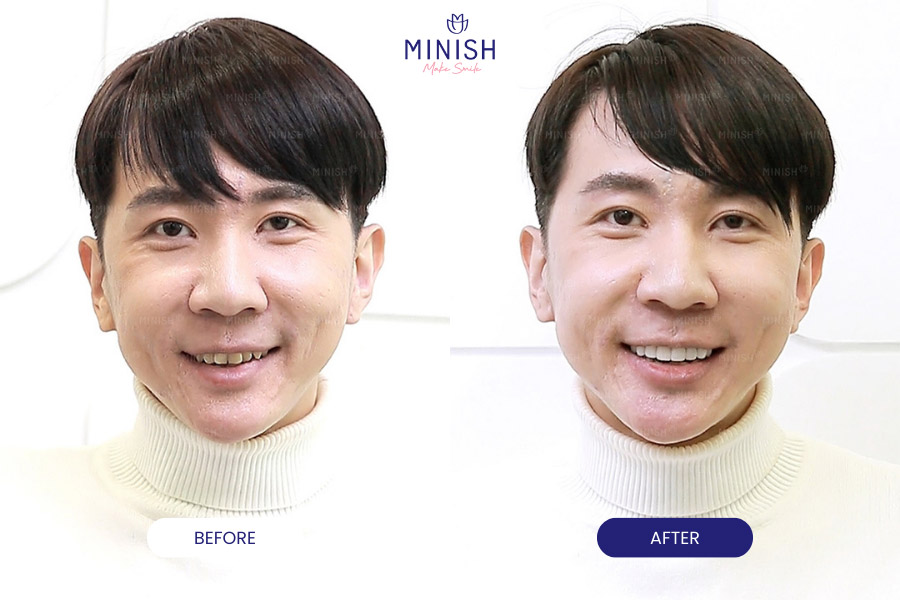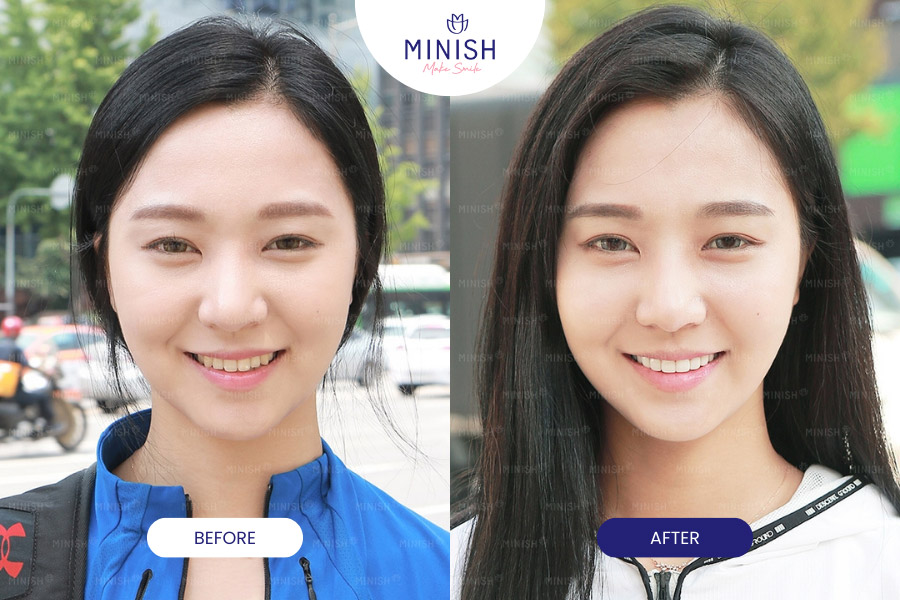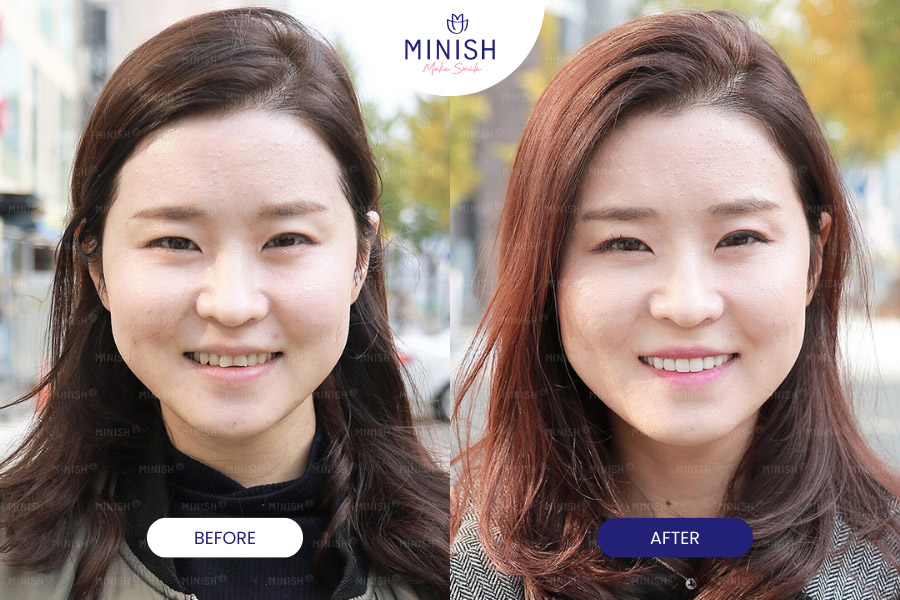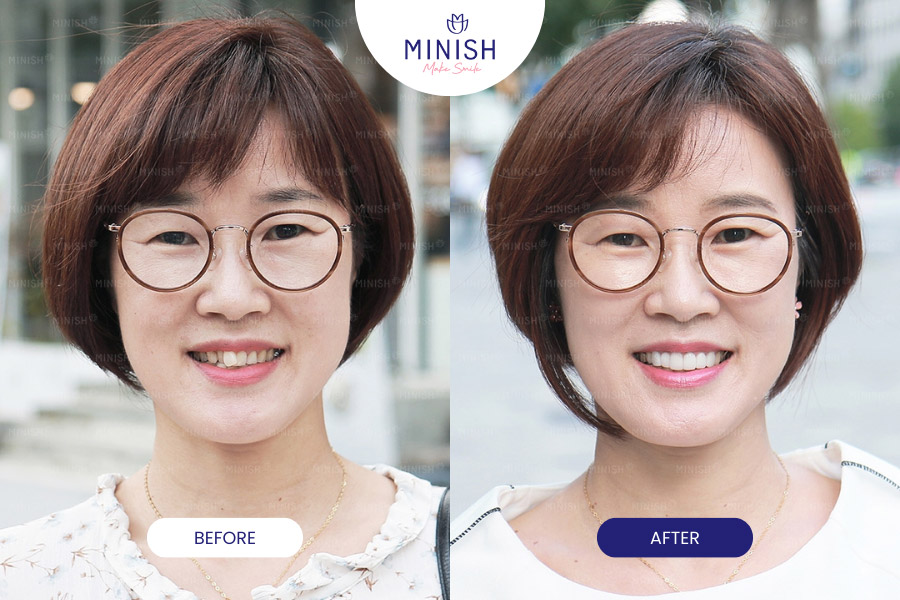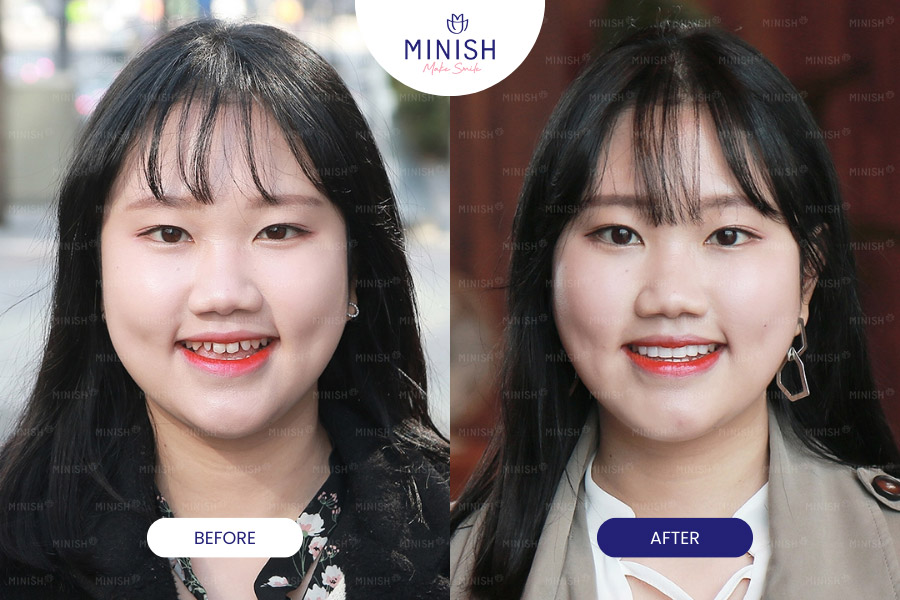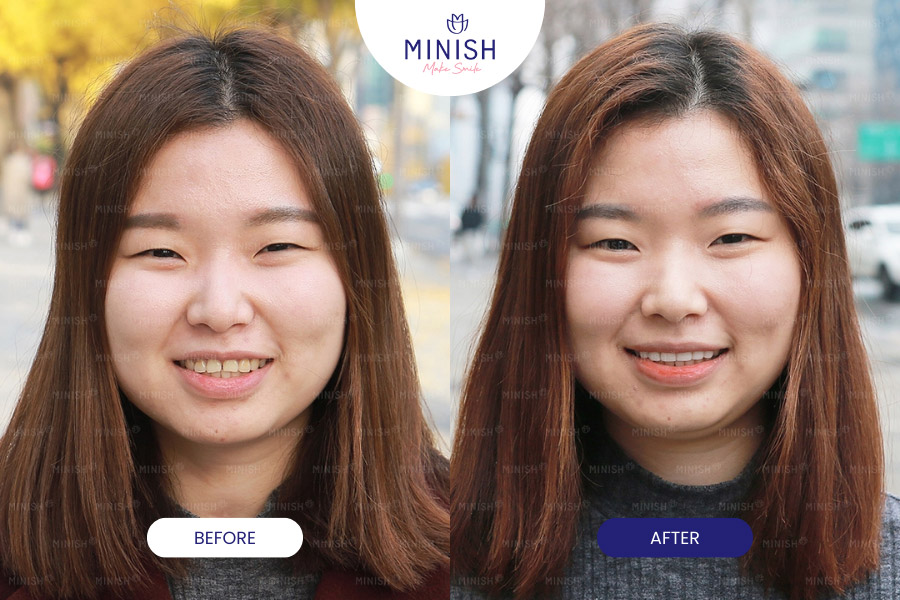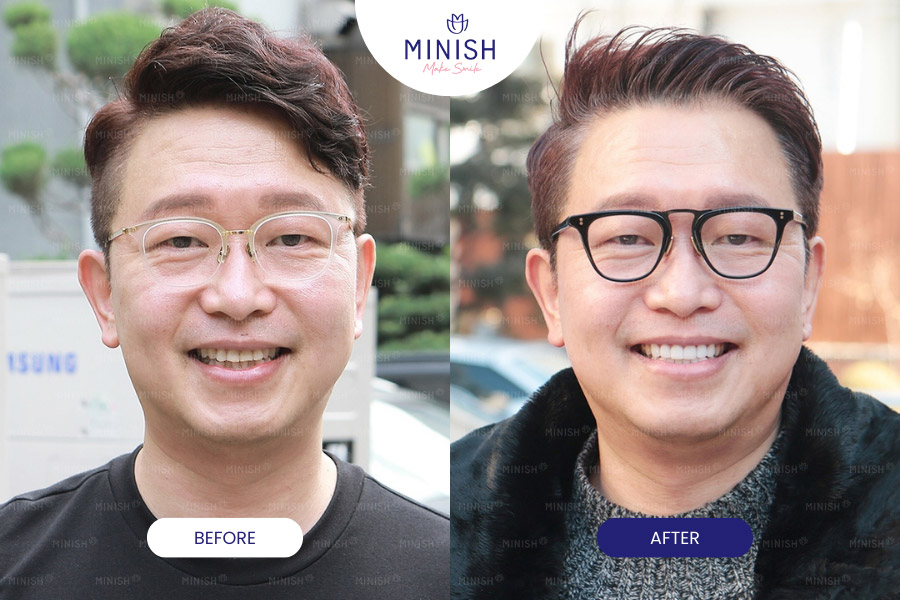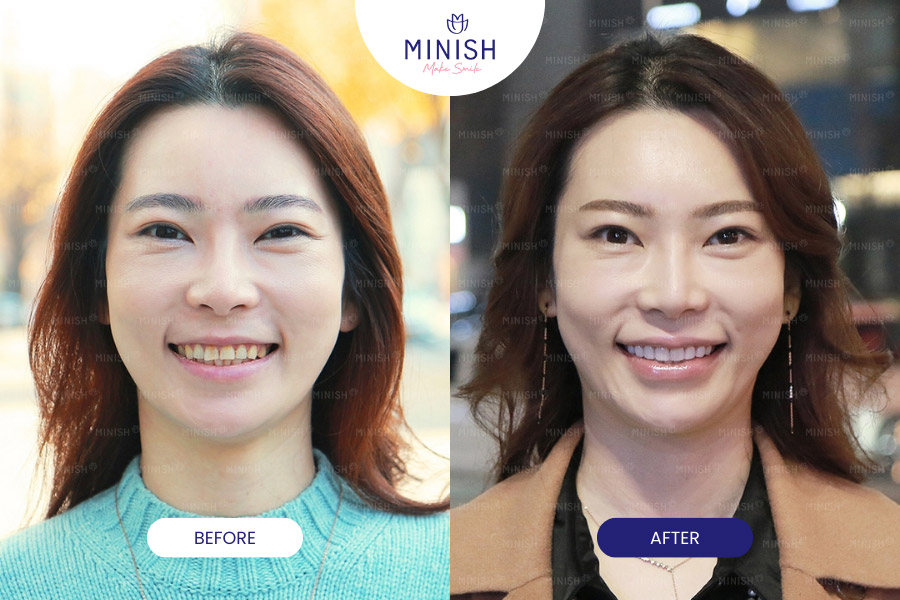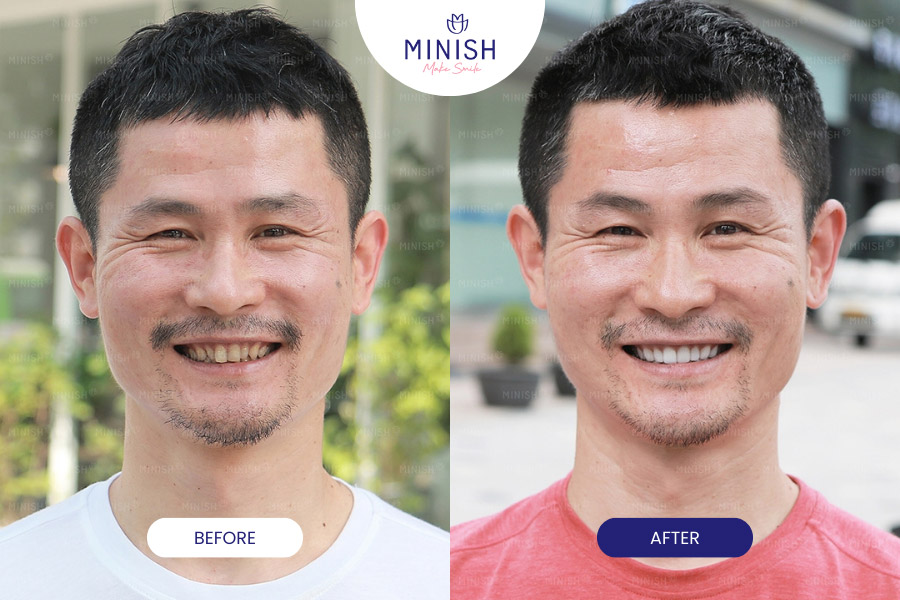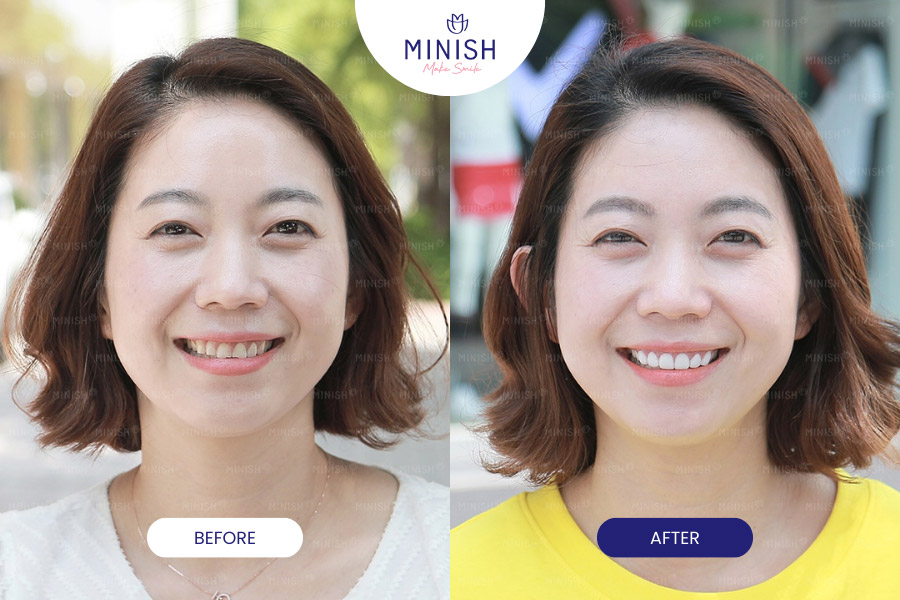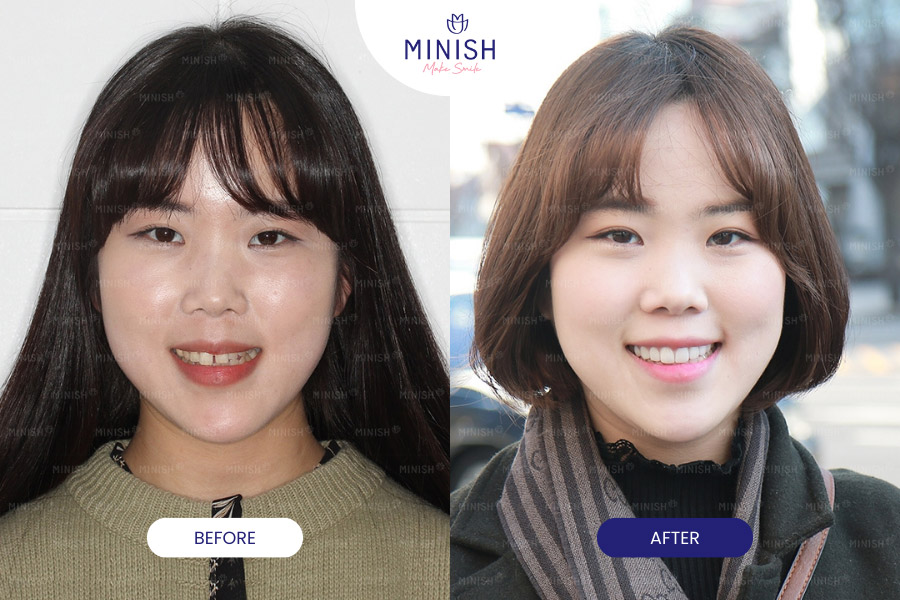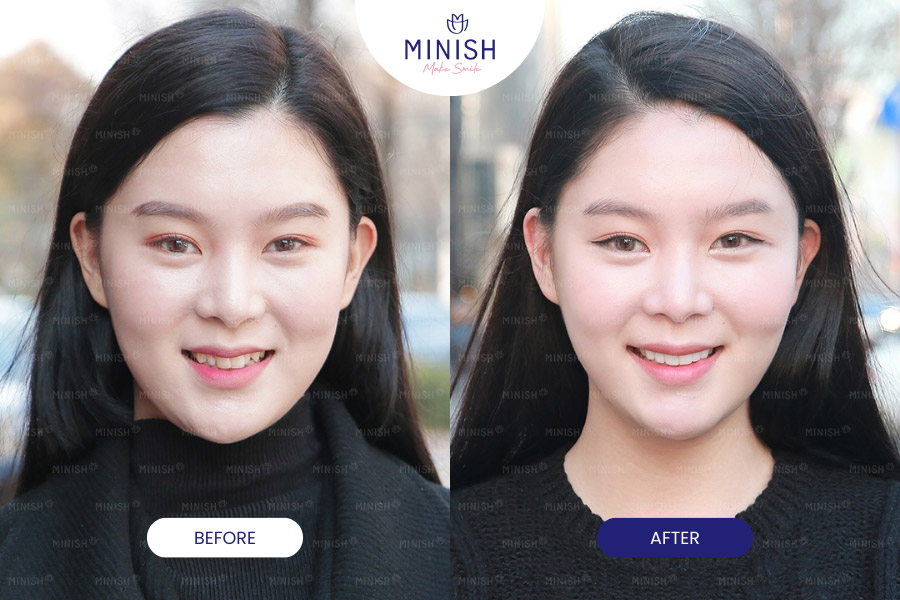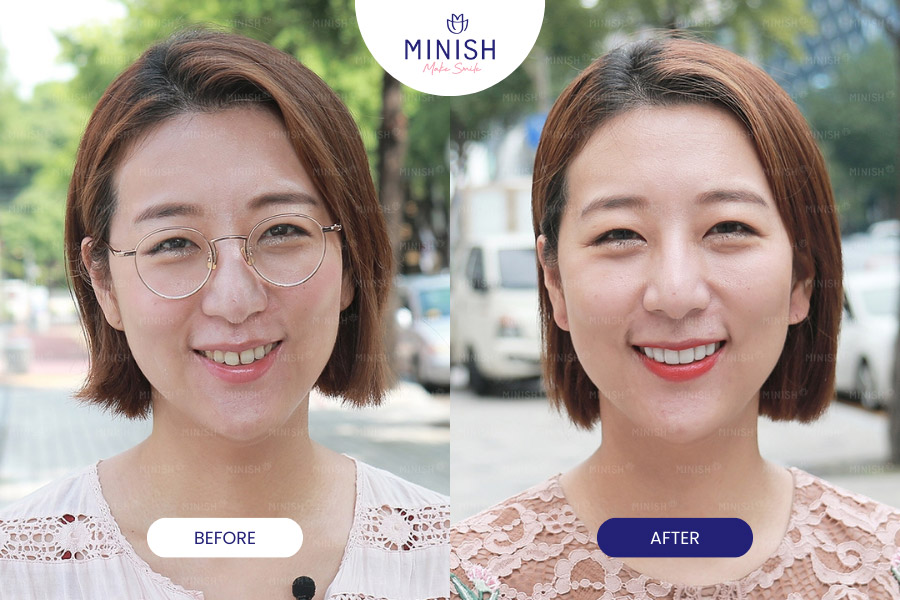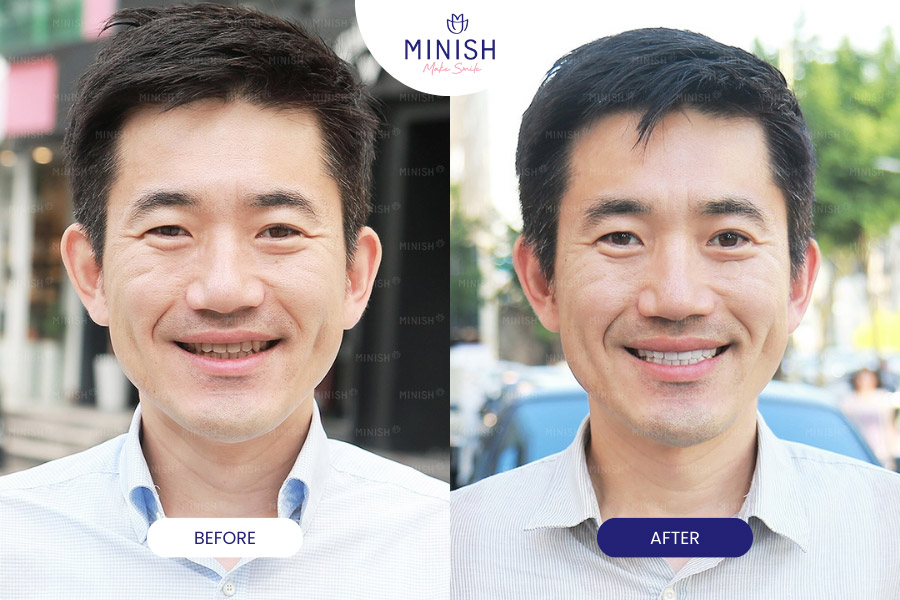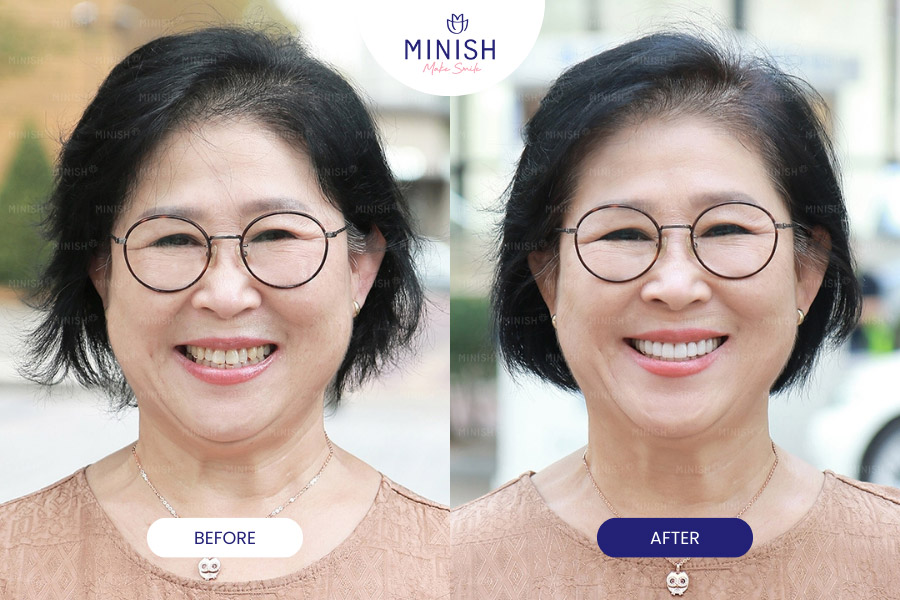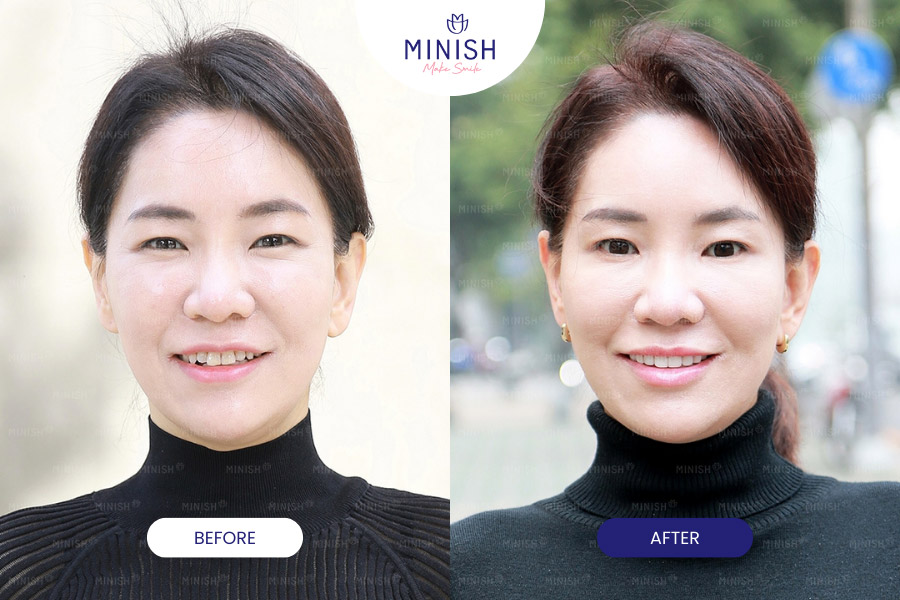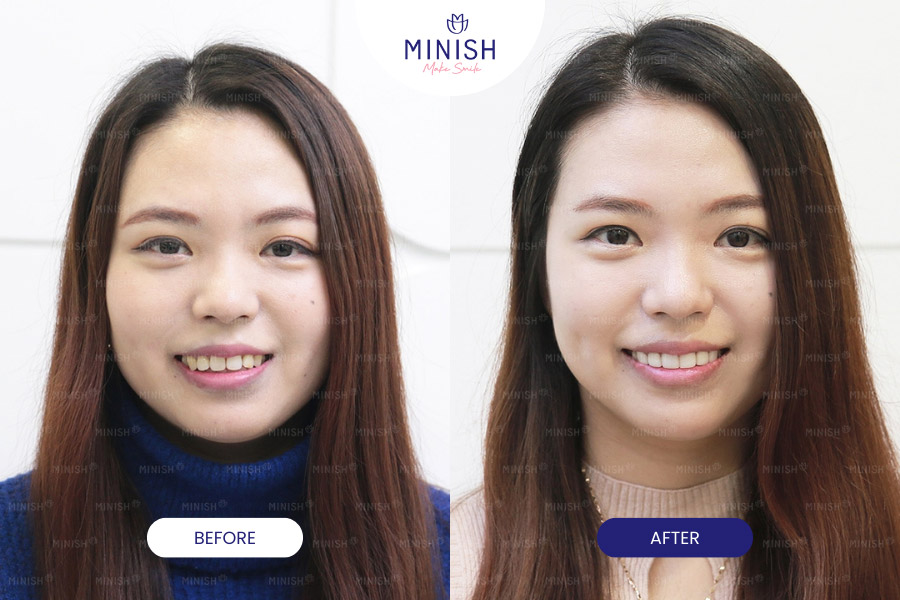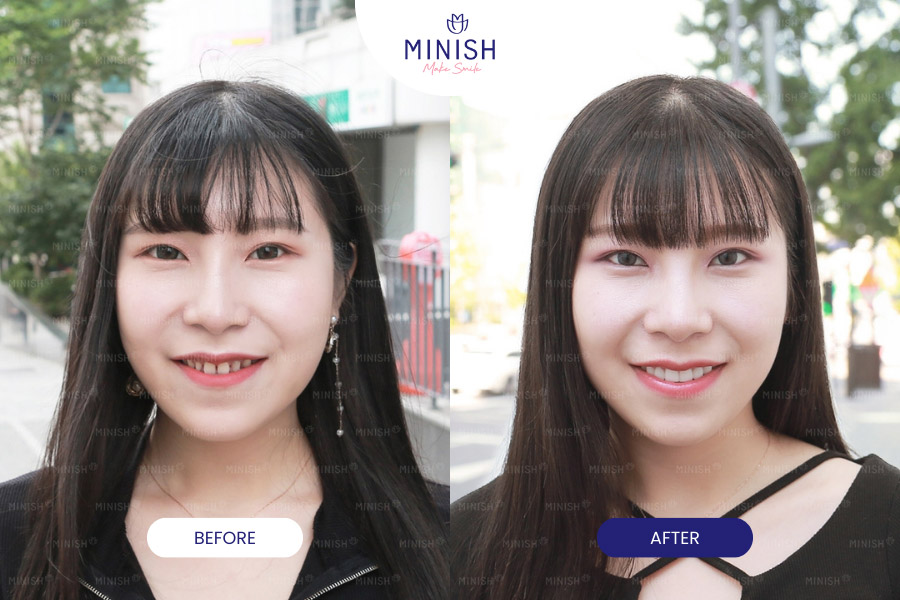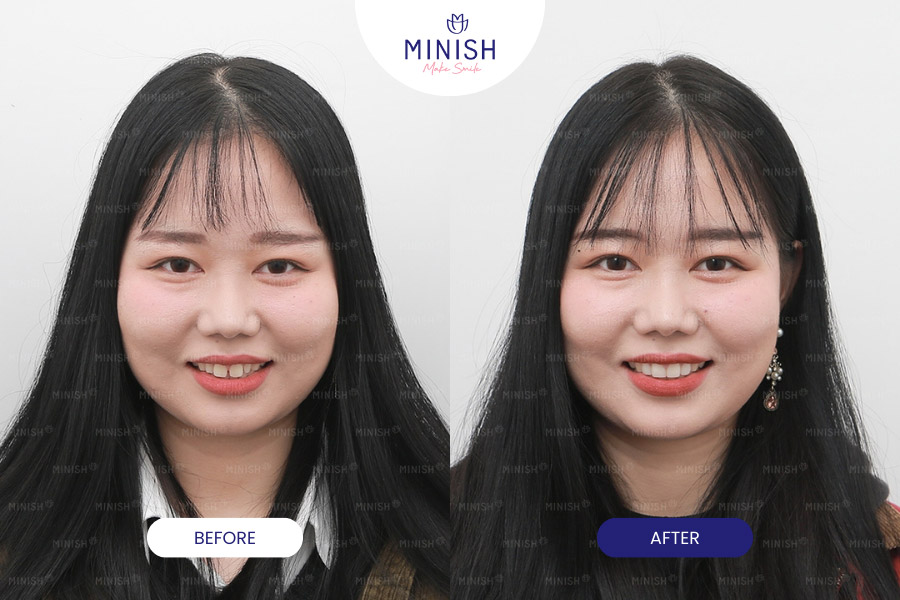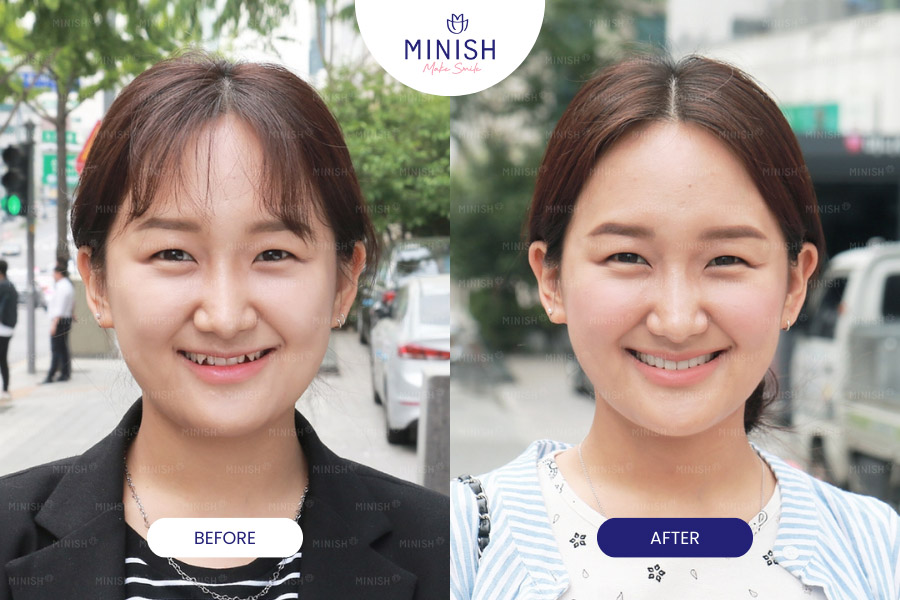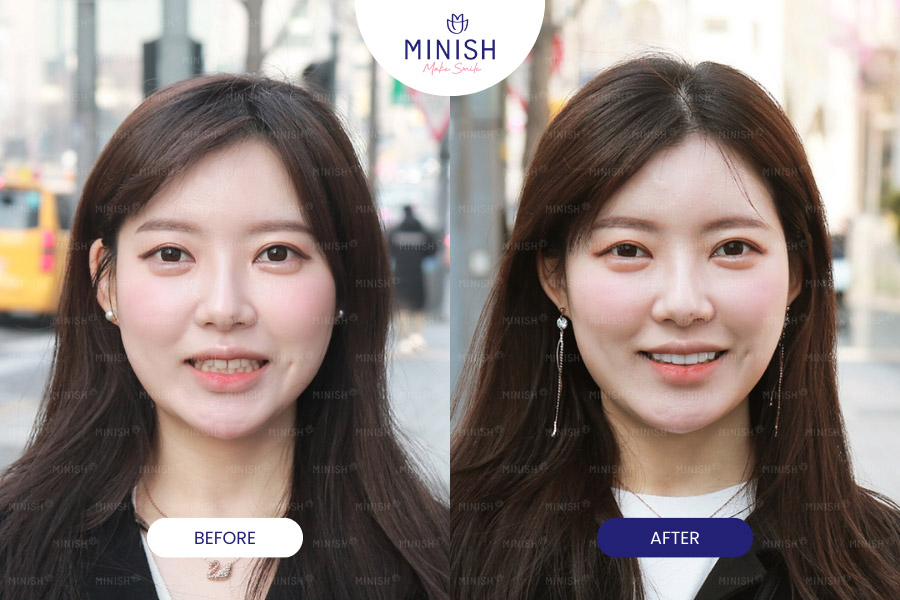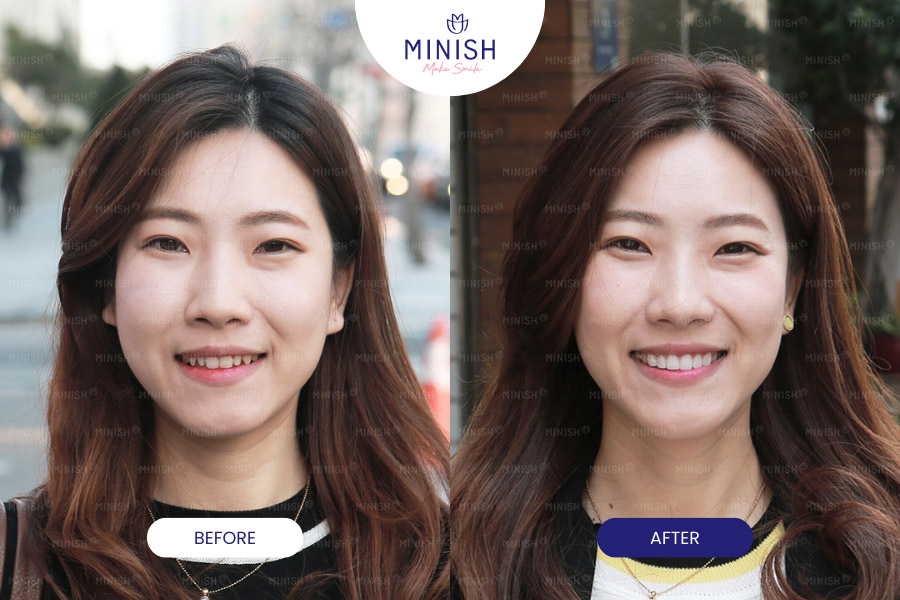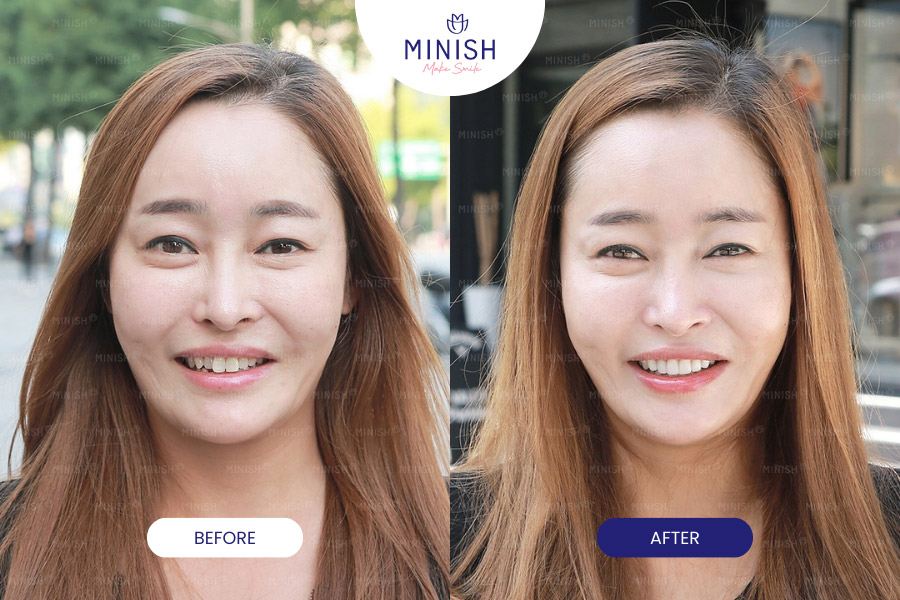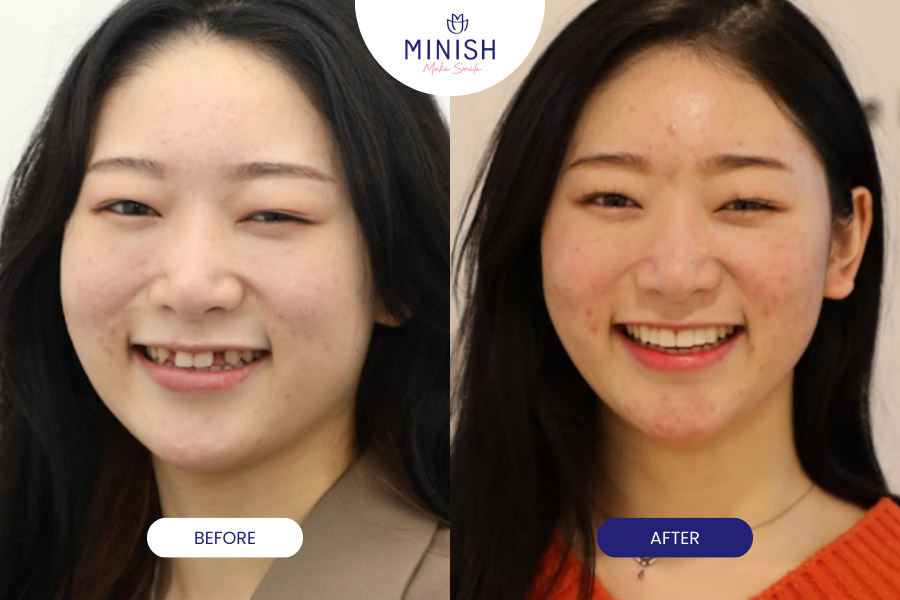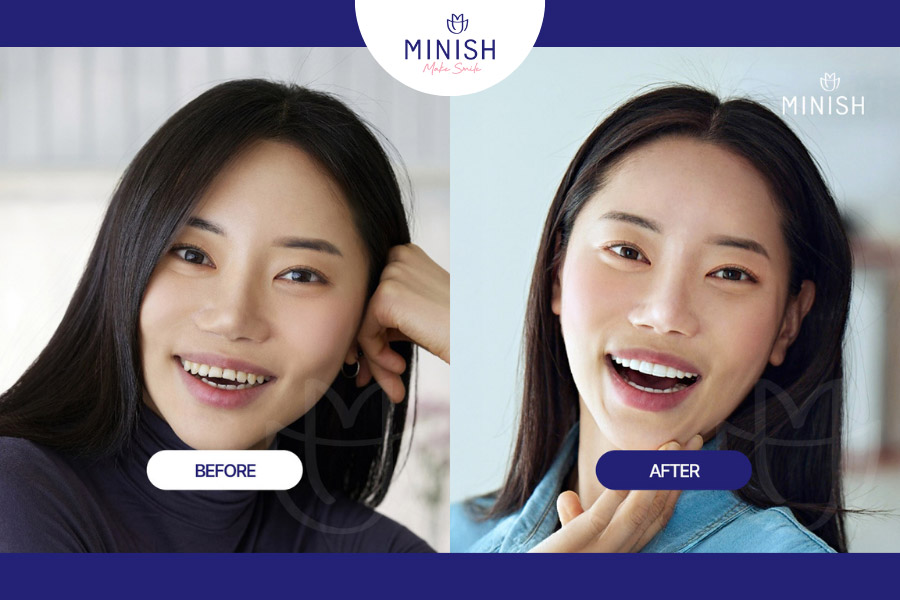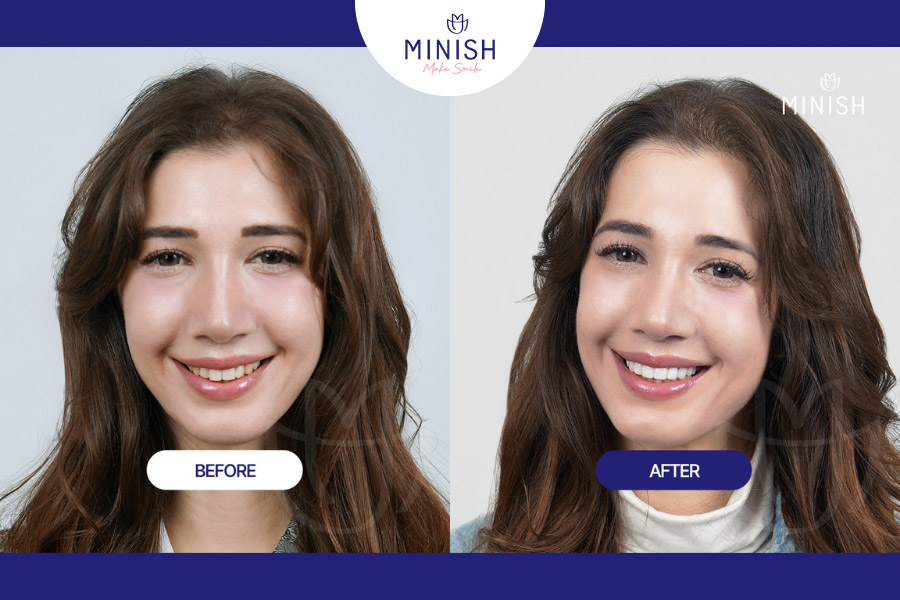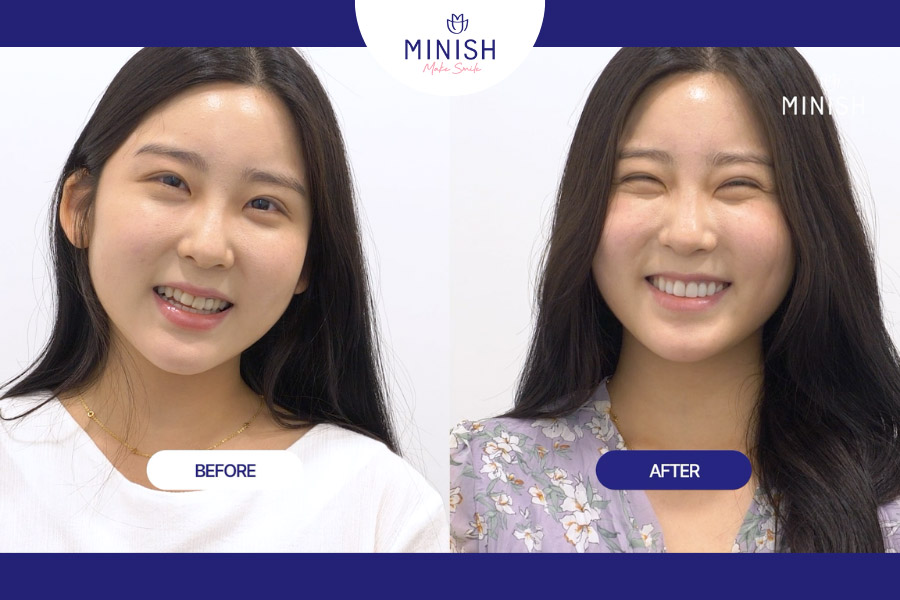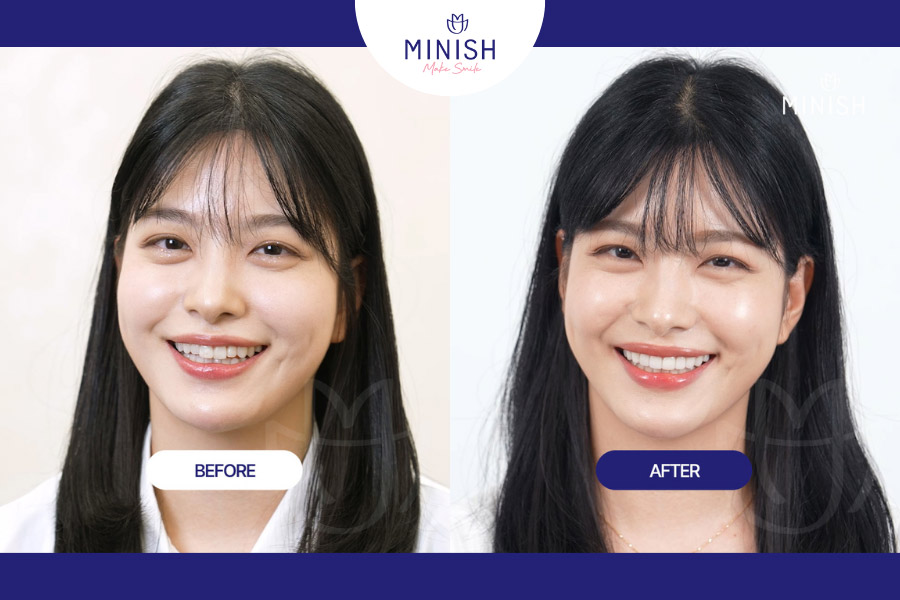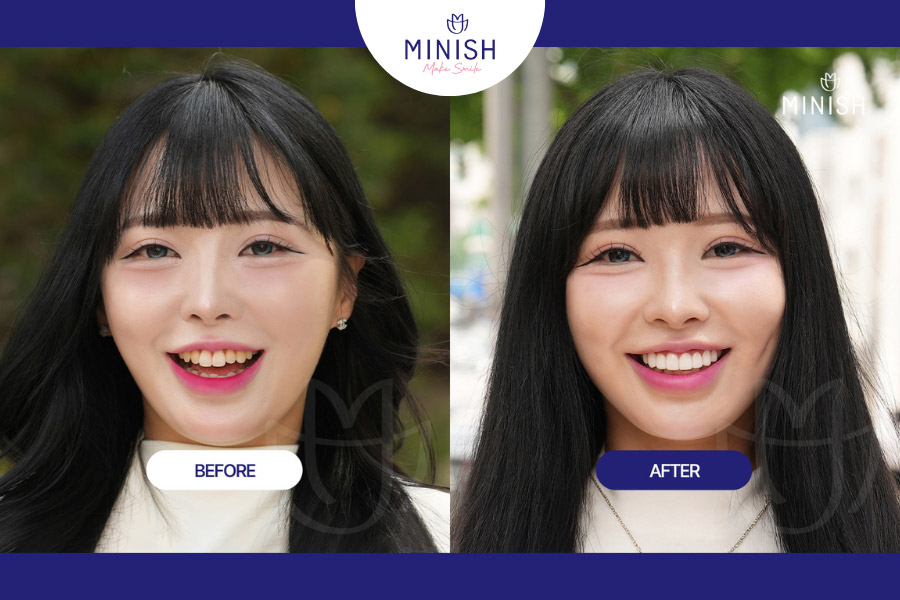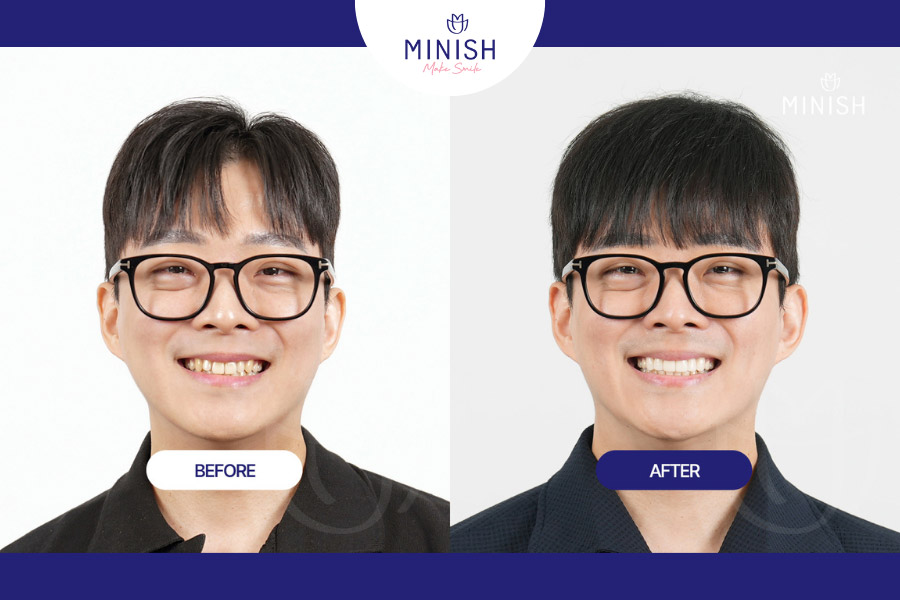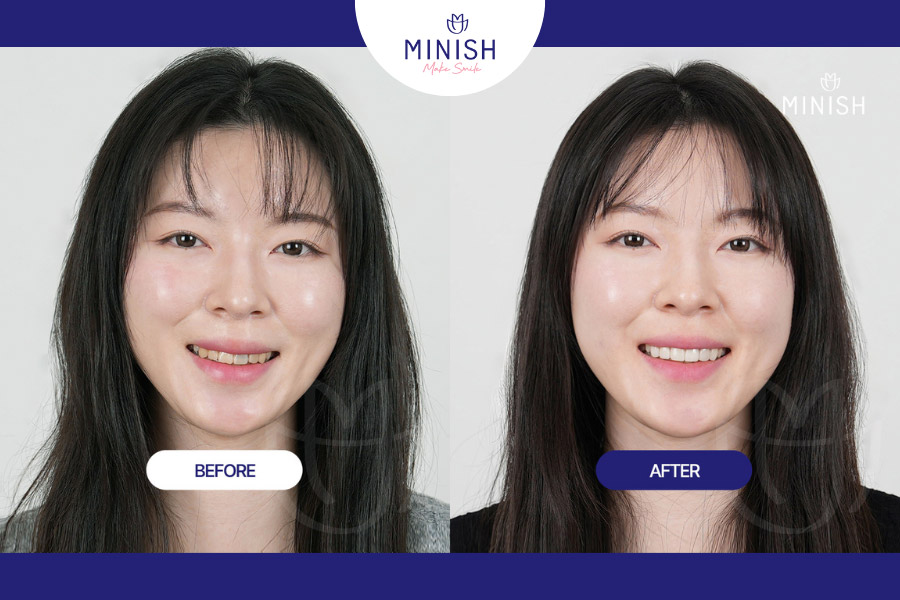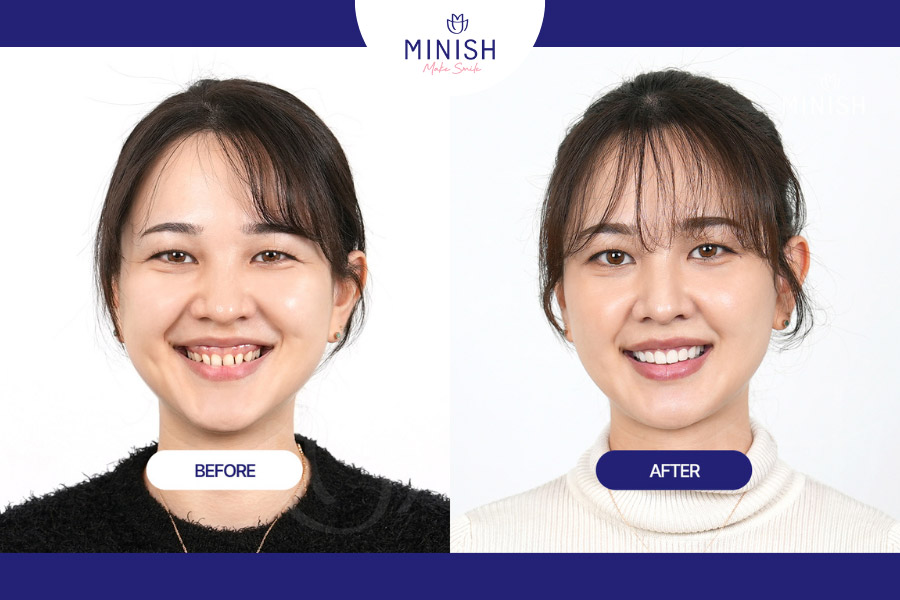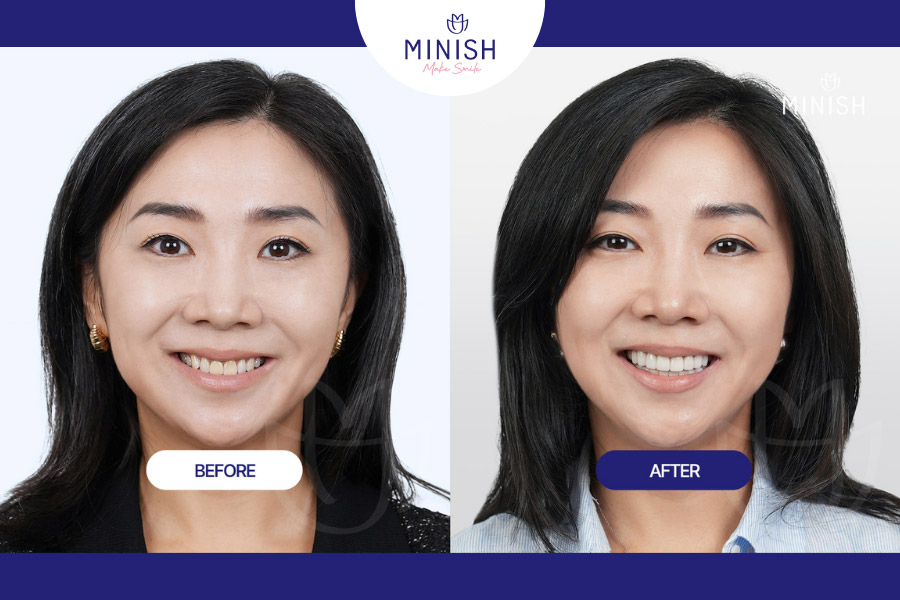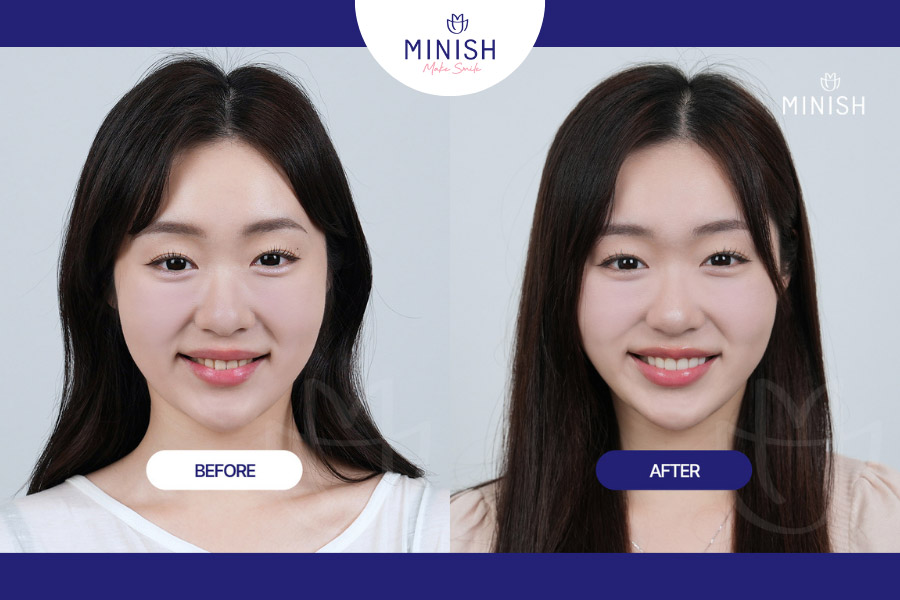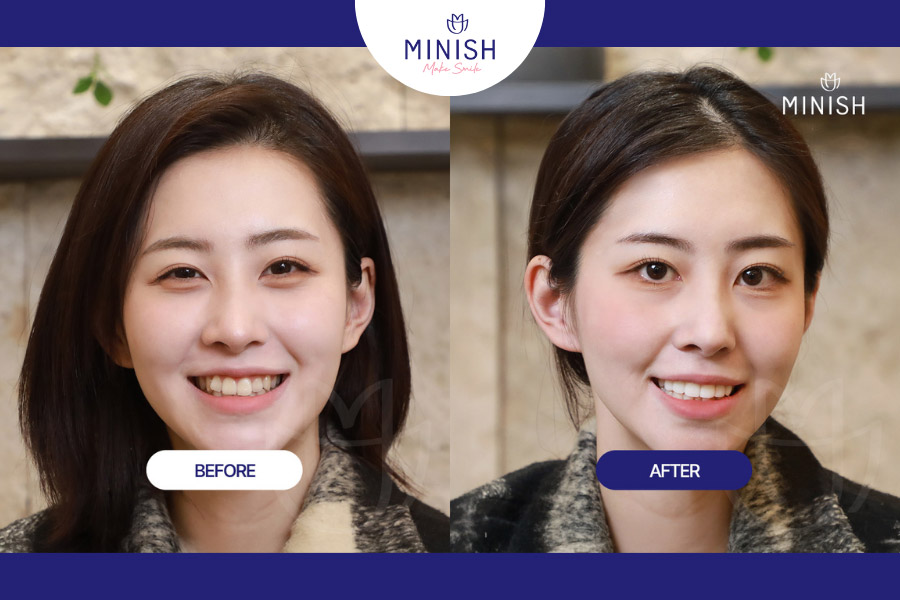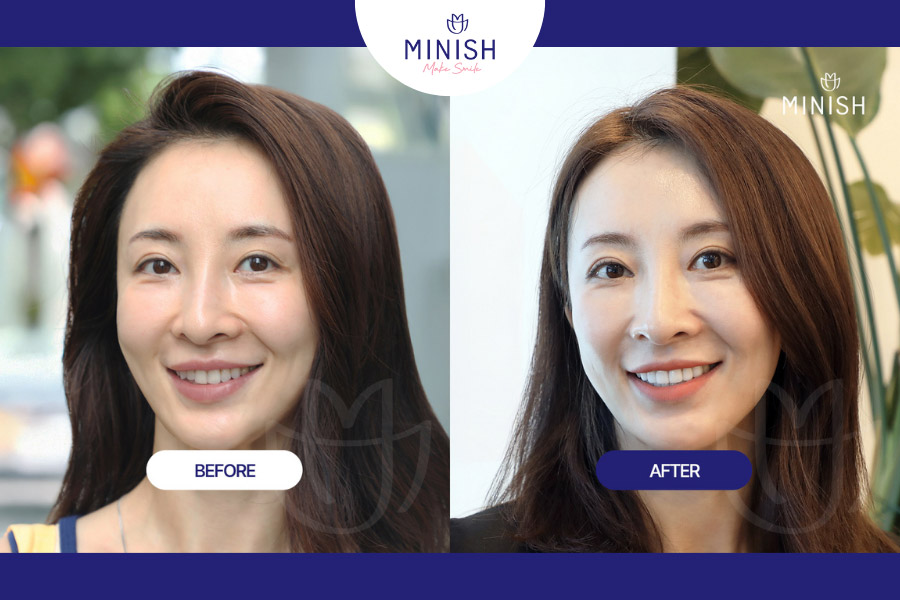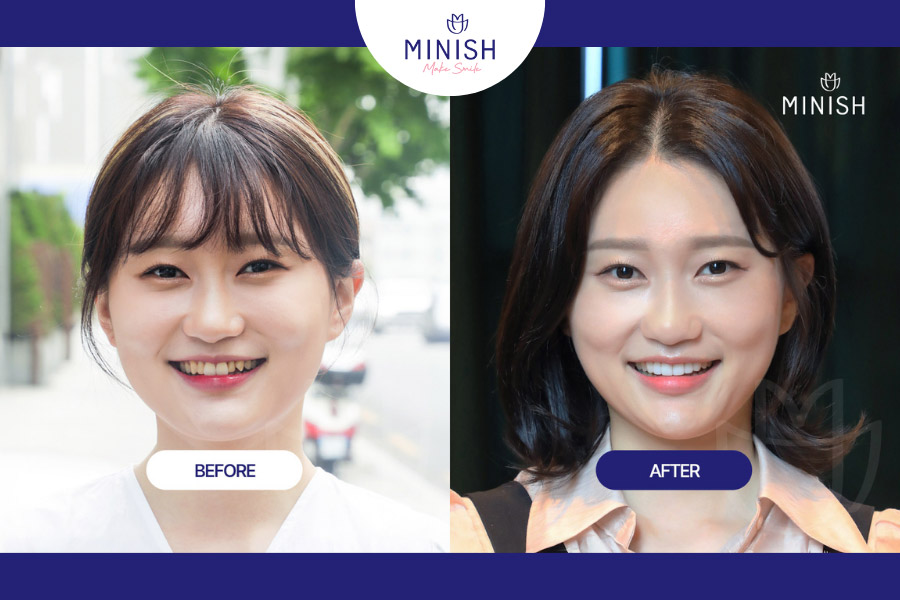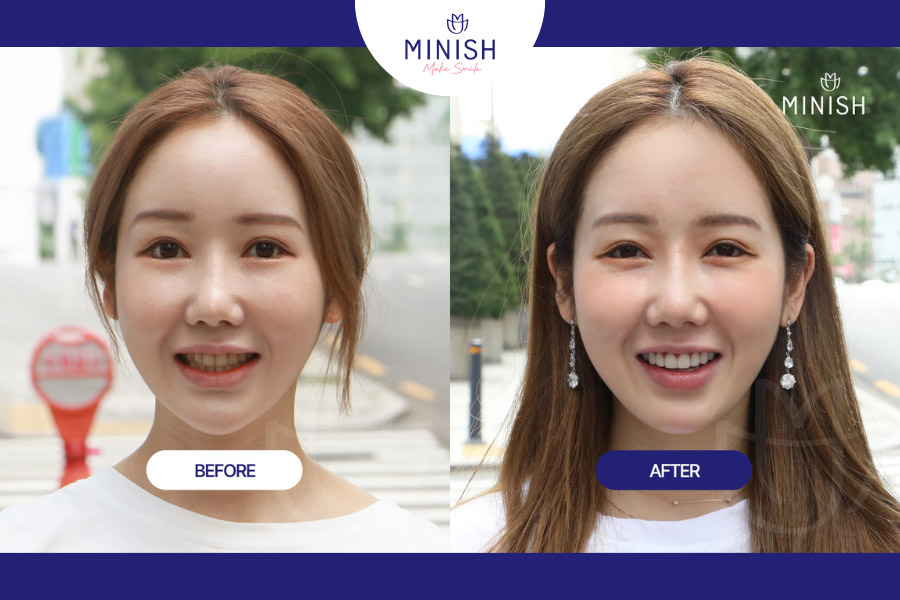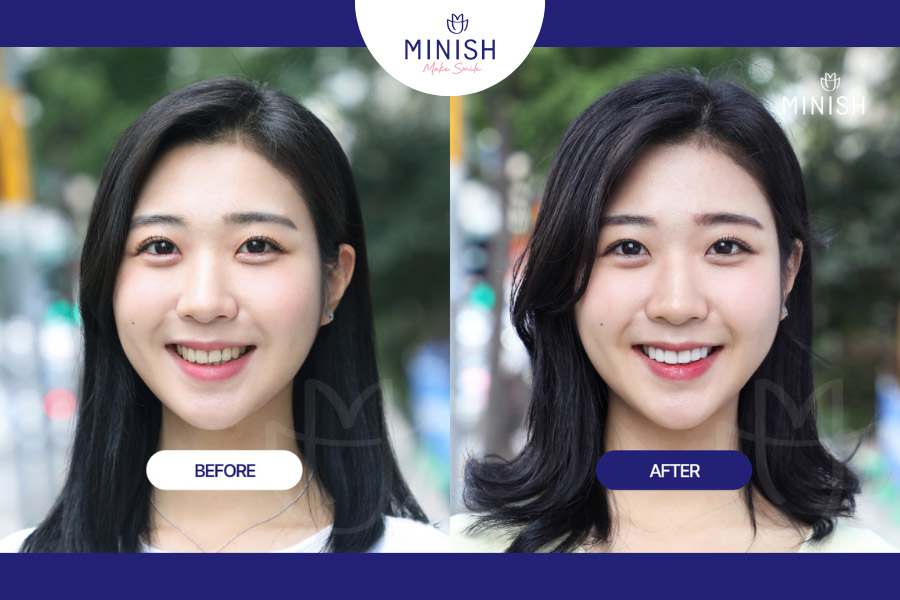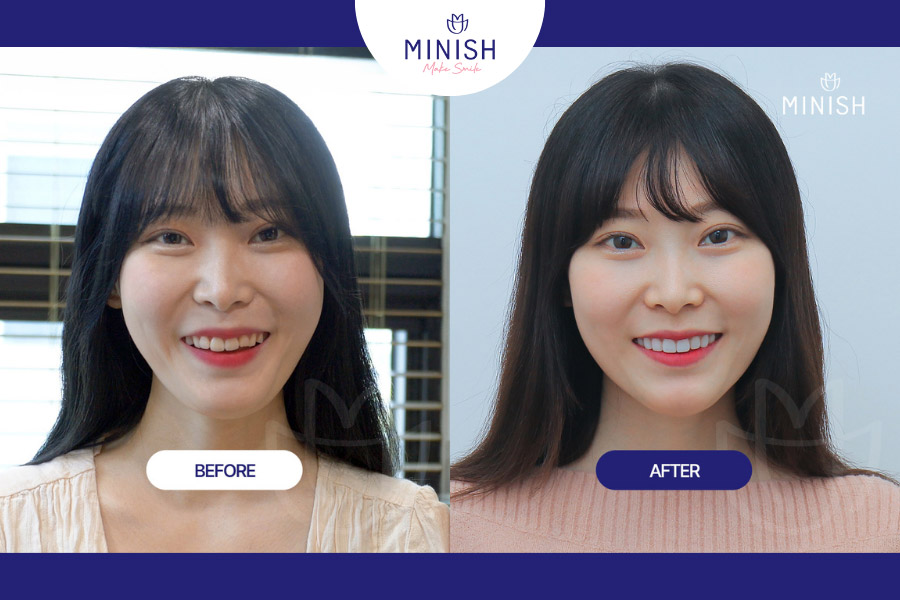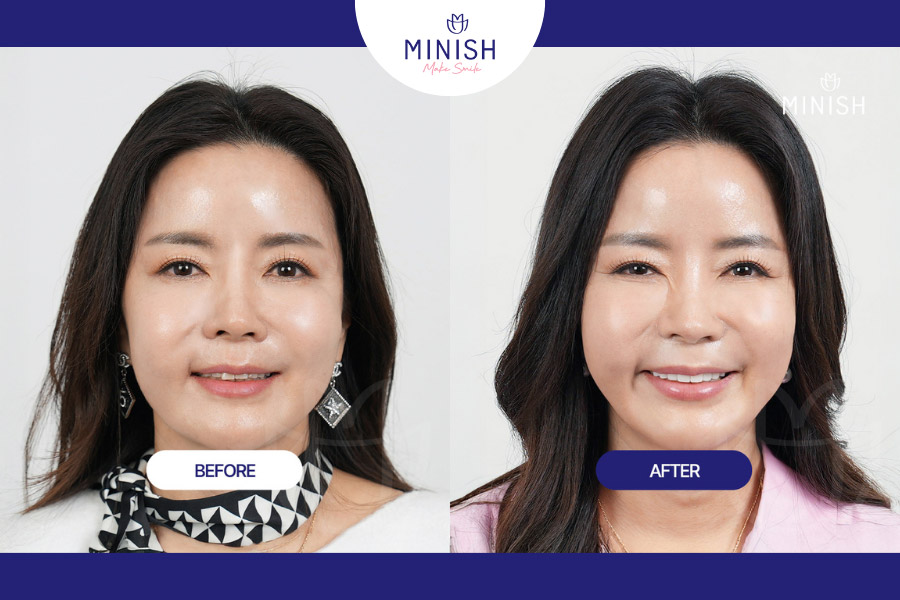
MINISH Veneers vs. Traditionelle Laminate: Ein kompletter Guide zum vergleich der Technologie
Wenn Sie für ästhetische Zahnmedizin nach Korea reisen, können Sie sich von Begriffen wie Veneers, Laminate-Veneers, No-Prep-Veneers– bei Eintages-Smile-Makeovers. In unserer Klinik kommen internationale Patientinnen und Patienten häufig mit Ratschlägen aus mehreren Beratungsgesprächen – und mit jeder Menge Online-Recherche.
Im Folgenden finden Sie einen klaren, patientenorientierten Leitfaden zu den Fragen, die wir am häufigsten hören – besonders von Besucherinnen und Besuchern, die MINISH, und konventionelle Veneers (Laminate).
1) MINISH vs. Veneers (Laminate): Der entscheidende Unterschied ist, wo sie eingesetzt werden können
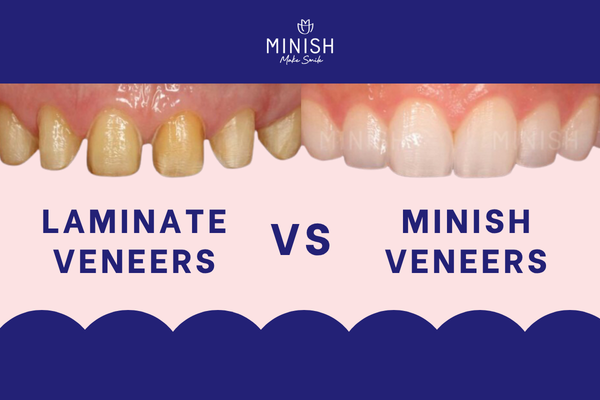
MINISH und Veneers können sich in Material, Herstellungsverfahren und der zugrunde liegenden Technologie unterscheiden. Der wichtigste praktische Unterschied für Patientinnen und Patienten ist jedoch an welchen Zähnen sie eingesetzt werden können, denn die Behandlungsziele sind nicht dieselben.
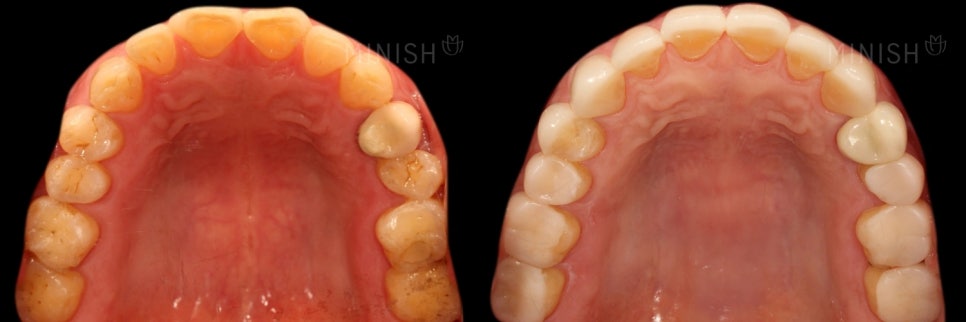
- MINISH: kann breiter eingesetzt werden – von Frontzähnen bis zu Backenzähnen
- Veneers (Laminate): werden typischerweise vor allem bei Frontzähne
Behandlungsziel
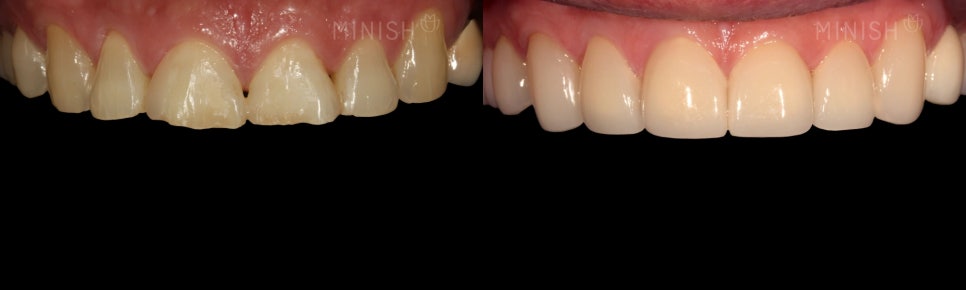
- MINISH: zielt auf die Wiederherstellung und Stärkung von geschwächtem oder beschädigtem Zahnschmelz (der natürlichen Schutzschicht Ihres Zahns). Wird der Zahnschmelz wiederhergestellt, wirken Zähne häufig heller und gesünder auf natürlich wirkende Weise.
- Veneers (Laminate): konzentrieren sich vor allem auf ästhetische Neugestaltung der Oberfläche der Frontzähne – hellere Zahnfarbe, optisch bessere Ausrichtung und ein Makeover der Lächellinie.
2) „No-Prep-Veneers“ vs. MINISH: Warum echte Fälle ganz ohne Beschleifen selten sind
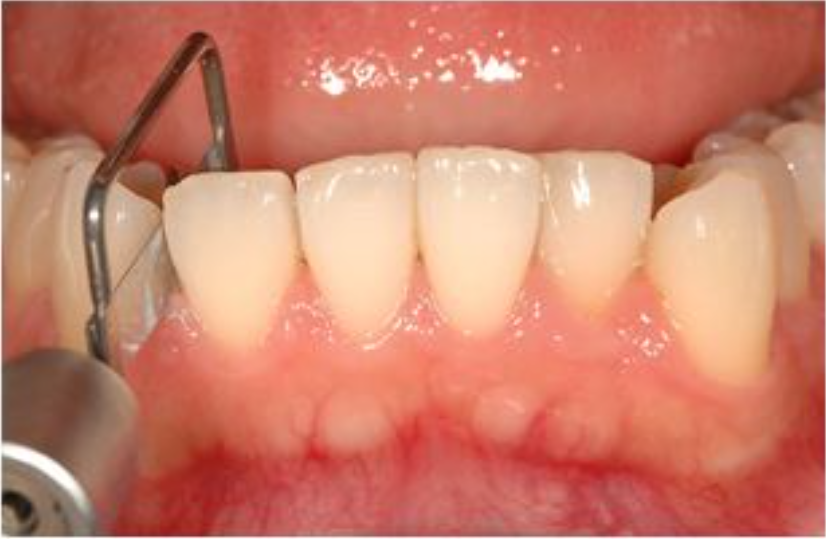
„No-Prep-Veneers“ suggerieren, dass überhaupt keine Zahnsubstanz abgetragen wird. In der klinischen Praxis sind Fälle, in denen eine Reduktion wirklich unnötig ist, selten. No-Prep ist nur in wenigen Situationen möglich, zum Beispiel:
- deutliche Zahnzwischenräume (Lücken)
- ungewöhnlich kleine Zähne (Mikrodontie)
In vielen anderen Fällen braucht es etwas Platz, damit die Versorgung nicht klobig wirkt oder die Bissfunktion beeinträchtigt – insbesondere, wenn Zähne größer sind, rotiert stehen oder gekippt sind. Das ist ähnlich wie in der Kieferorthopädie, wo Behandlerinnen und Behandler Platz schaffen können, z. B. durch Stripping (geringer seitlicher Abtrag zwischen den Zähnen).
3) Ist eine Eintagesbehandlung überstürzt? Worauf es wirklich ankommt, ist Präzision
Eine häufige Sorge ist:
„Veneers dauern Wochen, also müssen sie sorgfältiger sein. Eine Eintagesbehandlung klingt überstürzt.“
Allein die Dauer bestimmt nicht die Qualität –entscheidend ist die Präzision. Moderne digitale Workflows und fortschrittliche Geräte ermöglichen eine präzise Diagnose, Planung und Fertigung in kurzer Zeit, ohne dabei Kompromisse bei den Standards einzugehen.
Traditionelle Veneer-Behandlungen (oft 2–3 Wochen) können provisorische Versorgungen beinhalten, um die Zähne zu schützen, während auf die endgültige Versorgung gewartet wird. Aber Provisorien bleiben Provisorien, und Patientinnen und Patienten sorgen sich möglicherweise um:
- Bakterieneintritt durch Mikroleckage
- Empfindlichkeit während der Wartezeit
4) Erfordert MINISH ein Beschleifen der Zähne?
MINISH umfasst typischerweise Oberflächenfeinbearbeitung– ein kontrollierter Glättungsschritt, der natürliche Unebenheiten und Mikrorisse im Zahnschmelz ausgleicht. Das hilft:
- die Bonding-Präzision zu verbessern
- das Risiko von Mikroleckagen zu reduzieren
- unnötige Nebenwirkungen zu minimieren
- die Haftung insgesamt zu stärken
Ein einfacher Vergleich: Make-up hält nach einem sanften Peeling besser – beim Bonding ist es ähnlich, wenn die Oberfläche richtig vorbereitet ist.
5) Entscheiden sich Zahnärztinnen und Zahnärzte selbst für MINISH?
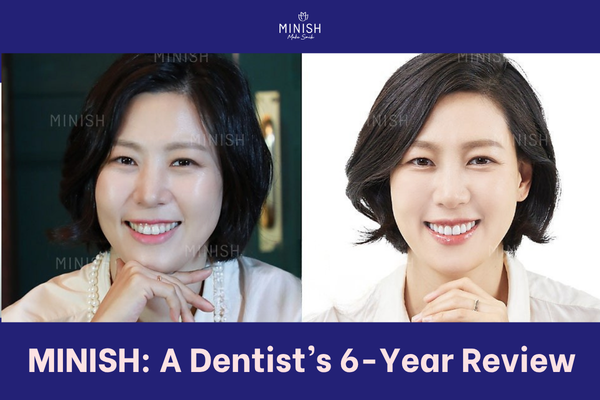
Ja. Viele Zahnärztinnen und Zahnärzte sowie andere medizinische Fachkräfte entscheiden sich auch persönlich für MINISH und lassen sich oft diskret in Partnerkliniken behandeln. Erfahrungsberichte und Fallbeispiele von Fachleuten wurden über YouTube und Klinikblogs geteilt, und der Artikel erwähnt, dass über 100 Fachkräfte aus verschiedenen Bereichen es bereits ausprobiert haben.
(Wenn Sie als Medizintourist unterwegs sind, kann das beruhigend sein – Behandelnde entscheiden sich für den eigenen Mund oft für Behandlungen, denen sie vertrauen.)
6) „Veneers müssen alle 10 Jahre ersetzt werden“ – was ist mit MINISH?
Die Vorstellung, dass Veneers alle 7–10 Jahre ersetzt werden müssen, hat sich vor allem aufgrund von Passungs- und Stabilitätsproblemen verbreitet, die in konventionellen Veneer-Workflows auftreten können, bei denen Schrumpfung/Ausdehnung in mehreren Phasen auftreten kann (z. B. bei Abformmaterialien und bei der Fertigung bei hohen Temperaturen).
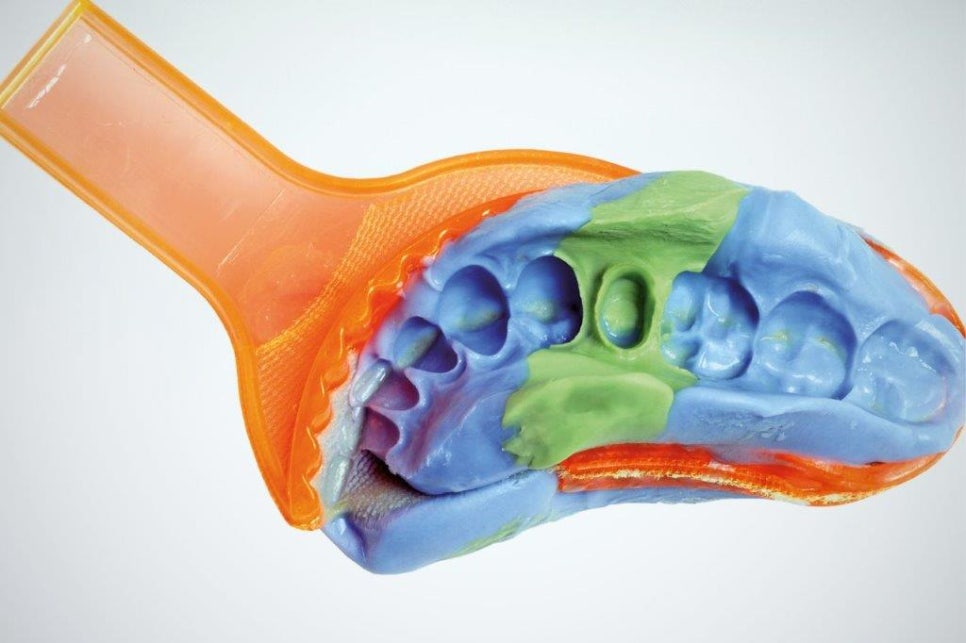
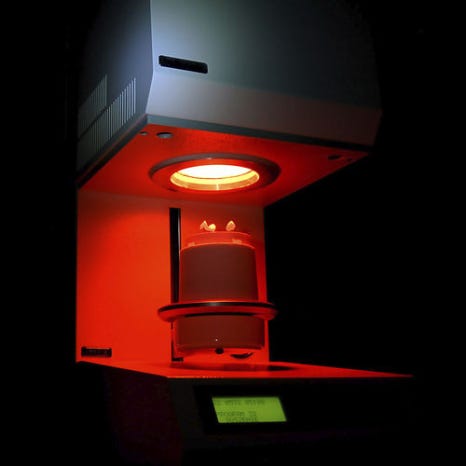
Wenn eine Versorgung keine perfekt präzise Passung beibehält, mikroskopische Spalten können mit der Zeit das Eindringen von Bakterien ermöglichen und Risiken erhöhen, wie z. B.:
- Karies unter der Versorgung
- Verfärbungen an den Rändern
- Debonding (Ablösung)
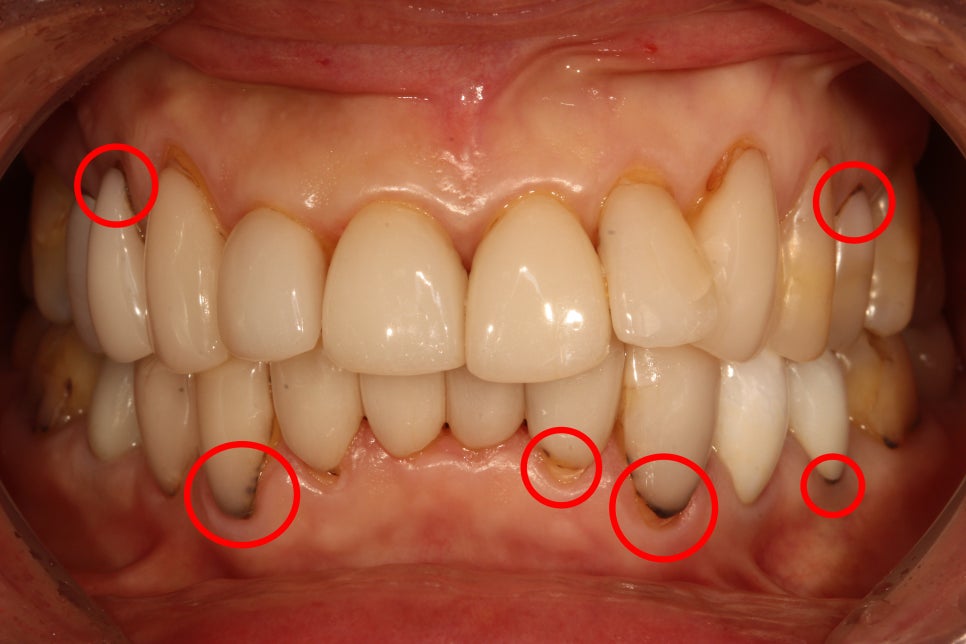
MINISH ist, wie im Originalartikel beschrieben, so konzipiert, dass es praktisch keine Volumenänderung aufweist, indem Arbeitsschritte vermieden werden, die häufig Schrumpfung verursachen (z. B. Abformungen und Brennvorgänge bei hohen Temperaturen). Zudem nennt der Artikel 18+ Jahre klinische Daten und eine Garantie von bis zu 15 Jahren, mit der Erwartung, dass sich die Garantiebedingungen erweitern können, wenn mehr Langzeitdaten vorliegen.
7) Wie ist eine 15-jährige MINISH-Garantie möglich?
Zwei Punkte werden betont:
- Ein Krankenhaus bzw. eine Klinik kann einen medizinischen Eingriff in der Regel nicht „garantieren“ wie Konsumprodukte garantiert werden. MINISH wird als Technologie dargestellt, die von einem unabhängigen Unternehmen bereitgestellt wird – deshalb kann es eine Garantiestruktur geben.
- Klinische Daten sind entscheidend. Eine lange Garantie sollte durch Langzeitergebnisse belegt sein. Zähne sind keine Wegwerfprodukte, und die Behandlungsplanung sollte sich nicht an einem angenommenen „Austauschzyklus“ orientieren.
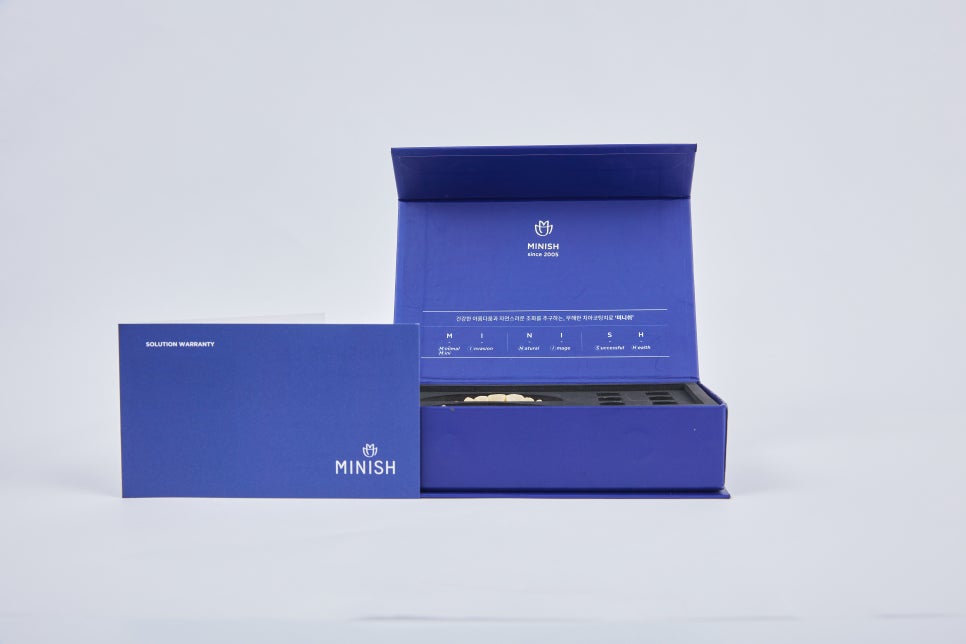
(Wenn Sie für eine Behandlung reisen, fragen Sie immer, was die Garantie abdeckt, welche Ausschlüsse es gibt und wie die Nachsorge geregelt ist, wenn Sie wieder zu Hause sind.)
8) Ist Lithiumdisilikat (e.max) ein Premiummaterial?
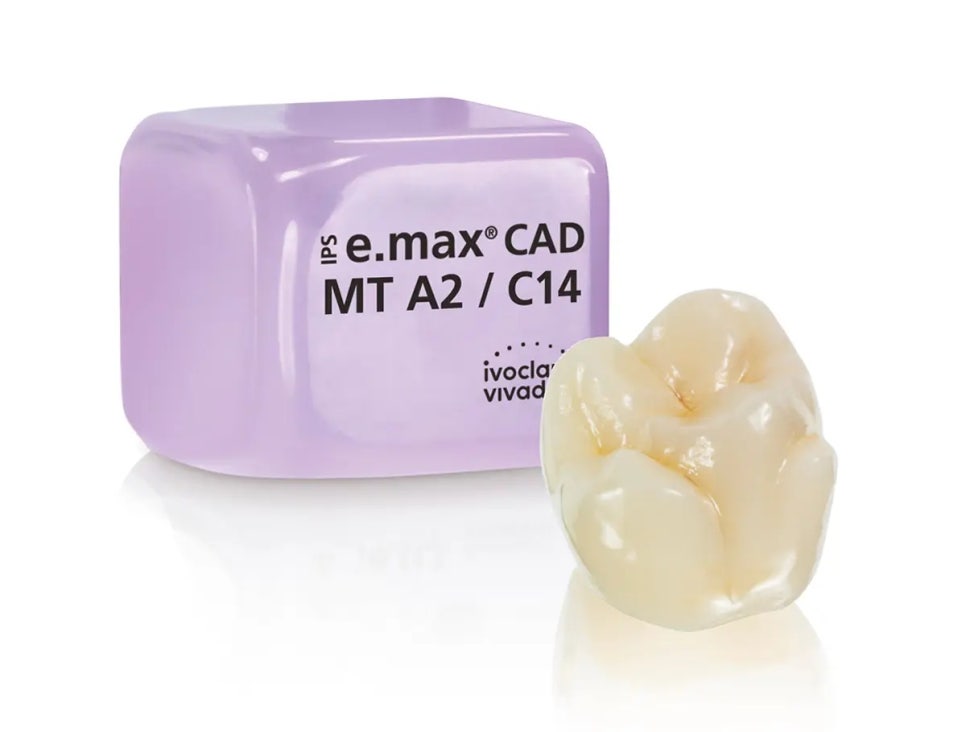
Lithiumdisilikat (oft unter dem Markennamen e.max bekannt) wird häufig für Veneers verwendet. Der Artikel erklärt, warum MINISH dieses Material nicht einsetzt, und nennt zwei Bedenken:
- Schrumpfungsrisiko durch Hochtemperatur-Wärmebehandlung, die im Laufe der Zeit zu Spalten beitragen kann
- hohe Härte/Verschleißfestigkeit im Vergleich zu natürlichen Zähnen, was den Abrieb der Gegenzähne erhöhen kann (insbesondere bei Patientinnen und Patienten, die pressen oder knirschen)
9) Ist härter bei Dentalmaterialien immer besser?
Nicht unbedingt. Idealerweise sollten sich restaurative Materialien in folgenden Punkten ähnlich wie natürliche Zähne verhalten:
- Festigkeit und Härte
- thermische Ausdehnung
- Verschleißverhalten
- Transluzenz und Ästhetik
Sehr harte Keramiken (einschließlich Zirkonoxid und Lithiumdisilikat) können extrem langlebig sein – aber weil sie härter sind als Zahnschmelz, können sie zu Abrieb an den gegenüberliegenden natürlichen Zähnen im Laufe der Zeit.
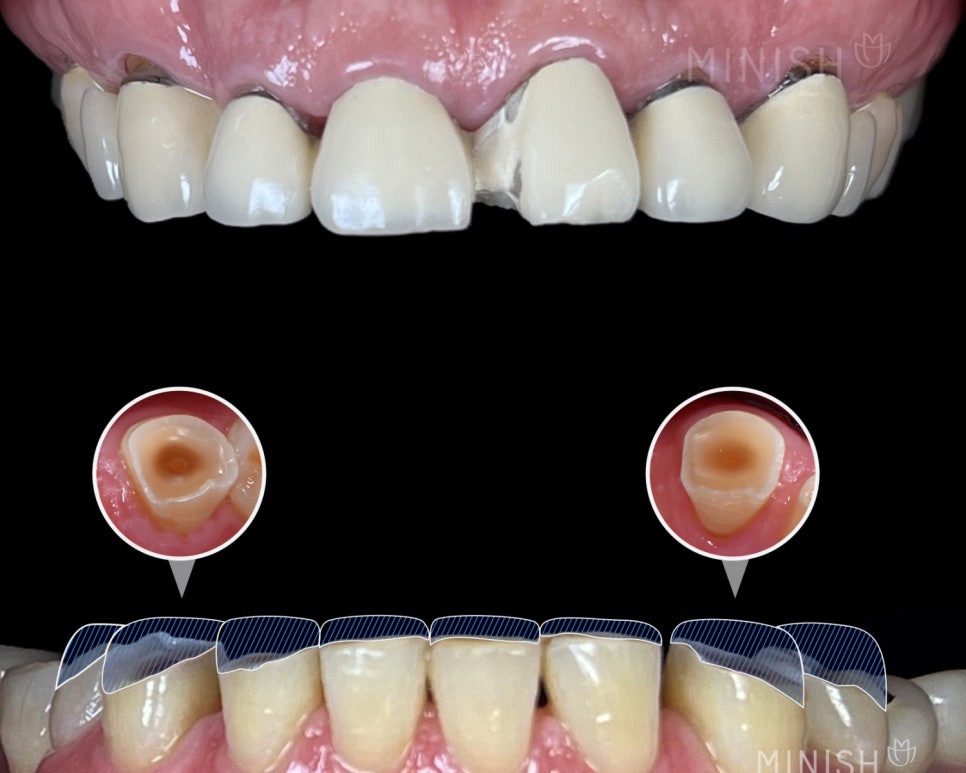
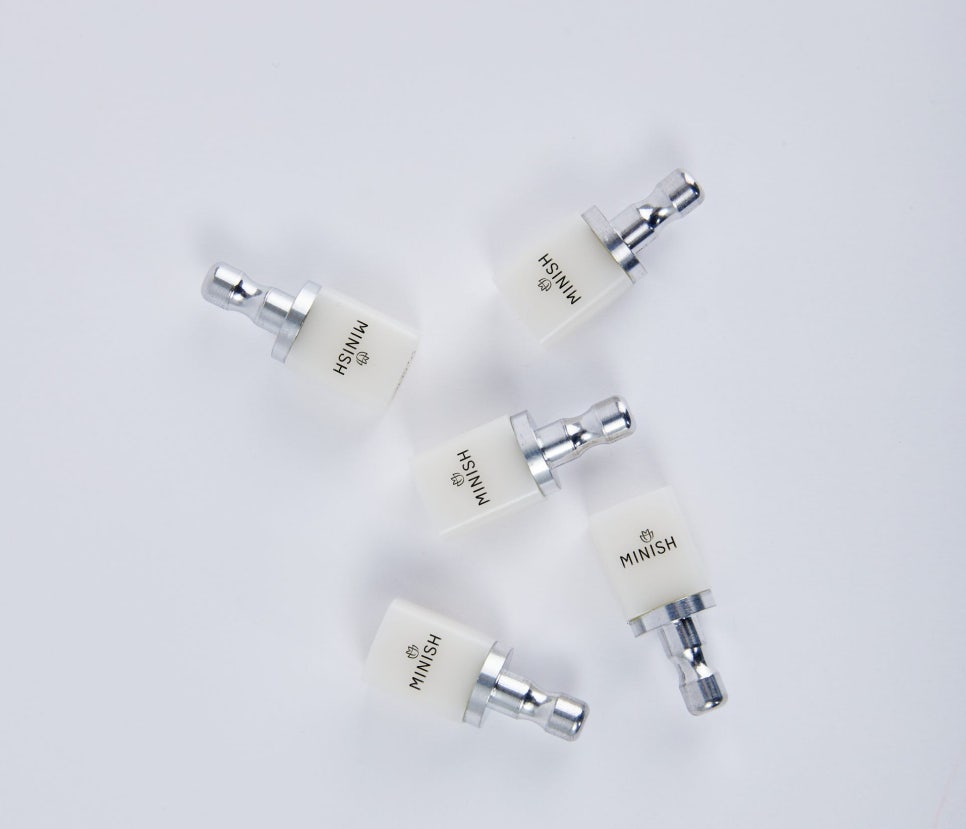
MINISH-Blöcke werden als so entwickelt beschrieben, dass sie den Eigenschaften natürlicher Zähne möglichst nahekommen.
10) Wenn MINISH später entfernt wird: Wird mein natürlicher Zahn dabei beschliffen?
Die Haltung des Artikels ist eindeutig: Ziel ist es, gesunde natürliche Zahnsubstanz nicht zu schädigen. Falls eine Entfernung erforderlich ist, sollte sie konservativ und fachgerecht erfolgen.
11) MINISH ist dünn – bedeutet das, dass es leicht bricht?
Dünn bedeutet nicht automatisch zerbrechlich. Das Konzept ist, dass MINISH nach dem Verkleben als einheitliche Struktur mit dem Zahn stabil wird – ähnlich wie mehrere miteinander verklebte Schichten stärker sind als eine einzelne Schicht.
Der Originaltext nennt Beispiele zur Langzeithaltbarkeit: 18+ Jahre für Frontzähne und 10+ Jahre für Backenzähne in einigen Fällen.
Die richtige Entscheidung für Sie als Medizintourist
MINISH und Veneers sind nicht einfach „besser“ oder „schlechter“. Sie unterscheiden sich in Zweck, Indikationen, Workflow und Materialverhalten- Die beste Wahl hängt ab von:
- dem Zustand Ihres Zahnschmelzes
- Ihrem Biss (einschließlich Pressen oder Knirschen)
- ob Sie nur Frontzähne oder auch Backenzähne behandeln lassen möchten
- Ihrem Zeitplan in Korea (ein Tag vs. mehrere Termine)
- Ihrem langfristigen Pflege- und Kontrollplan nach Ihrer Rückkehr nach Hause
- Wenn Sie eine Behandlung während einer Reise in Erwägung ziehen, empfehlen wir, Fotos, Röntgenaufnahmen/CT (falls verfügbar) und Ihre Ziele vorab zu teilen, damit Ihr Behandlungsteam einen passenden Behandlungsplan und Zeitrahmen vorschlagen kann.
Hinweis: Dieser Artikel wurde aus dem Originalartikel mit Zustimmung der Autorin bzw. des Autors übersetzt und veröffentlicht.
Kontakt
Starten Sie noch heute den Weg zu Ihrem neuen Lächeln
Kontaktieren Sie uns, wenn Sie in Korea englischsprachige Zahnärztinnen und Zahnärzte suchen. Wir haben auch deutschsprachige Dolmetscherinnen für Sie. Wir werden täglich von lokalen und internationalen Patientinnen und Patienten kontaktiert, die in verschiedenen Ländern und Zeitzonen arbeiten.