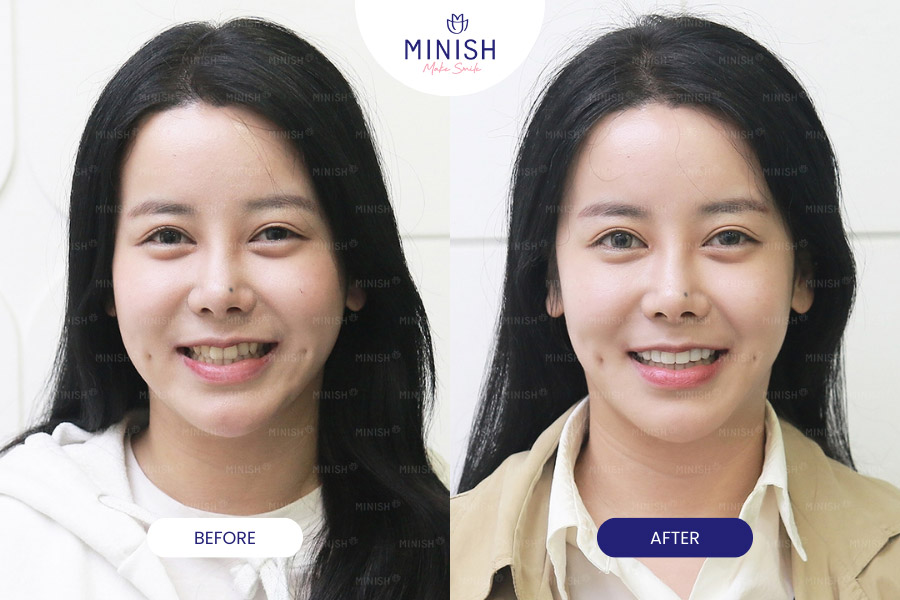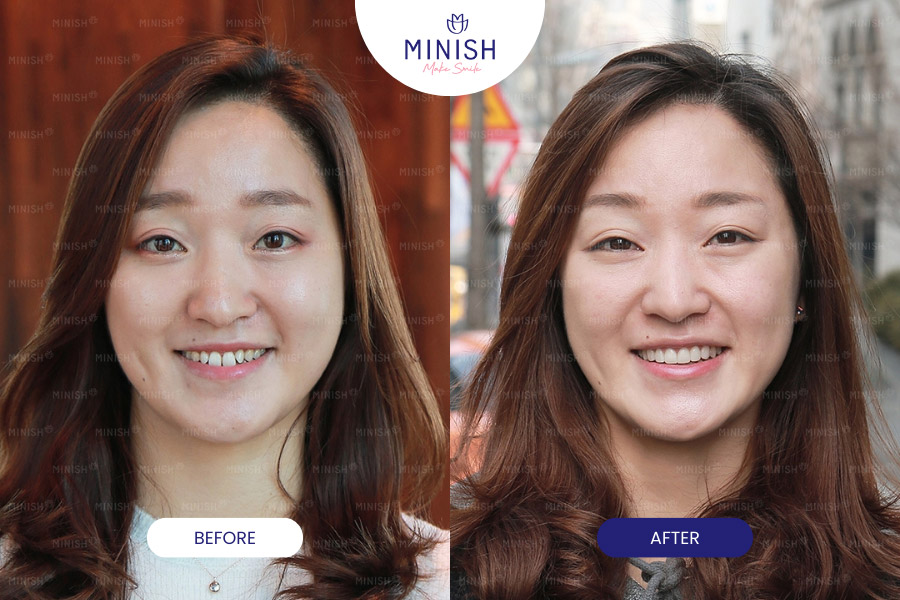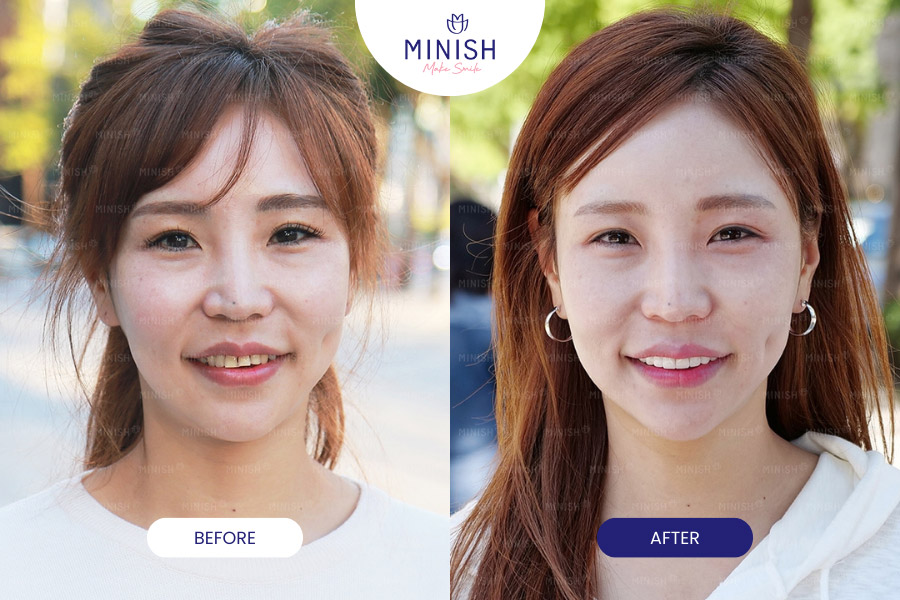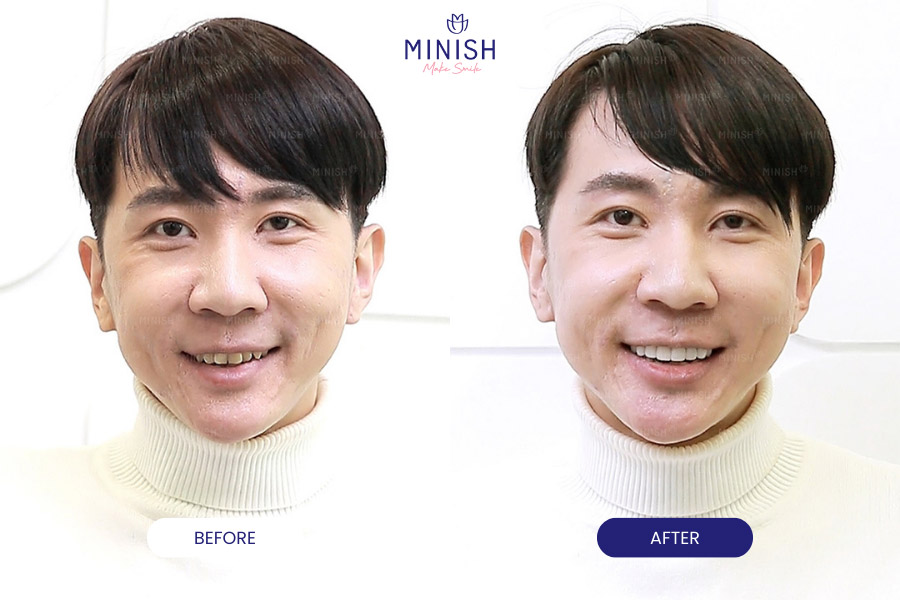
MINISH Veneers: Die Erfahrung einer Zahnärztin nach 6 Jahren Veneers - Haltbarkeit und Bissfestigkeit
Persönliche MINISH-Erfahrung einer Zahnärztin: Warum ich mich dafür entschieden habe – und warum ich ihm bis heute vertraue
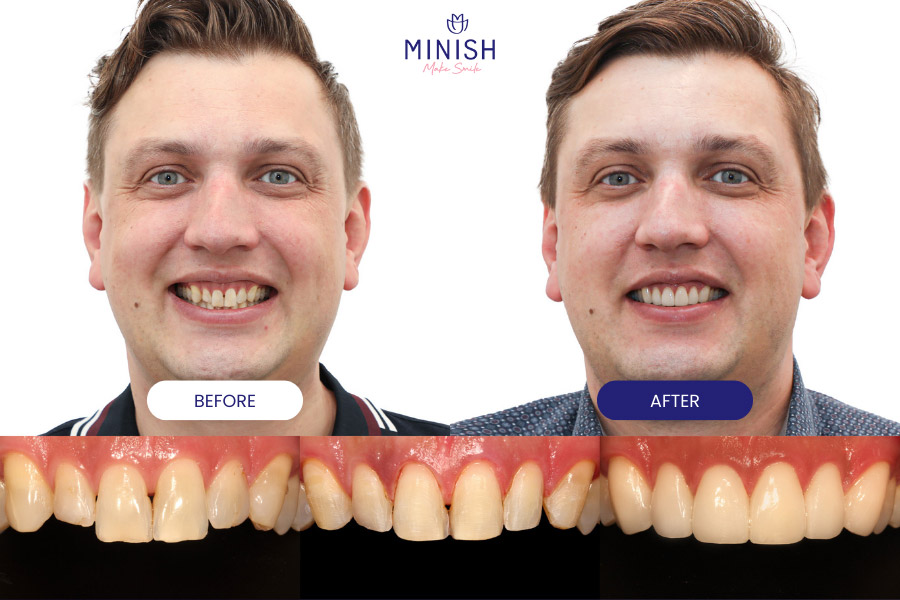
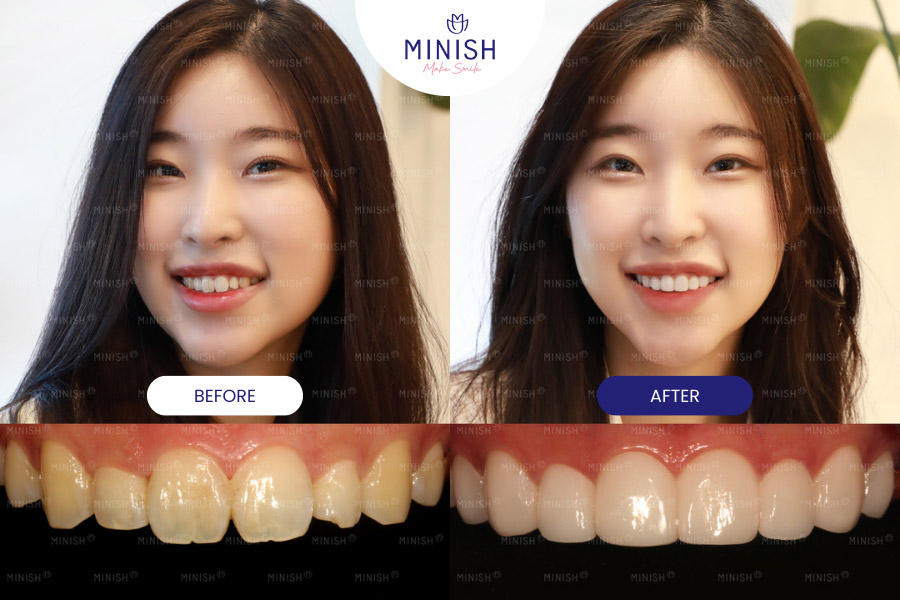
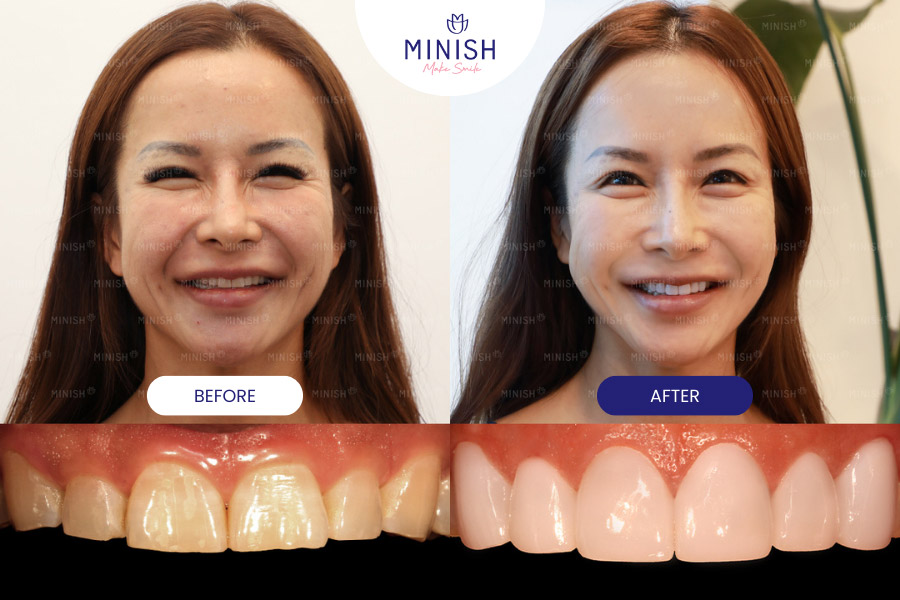
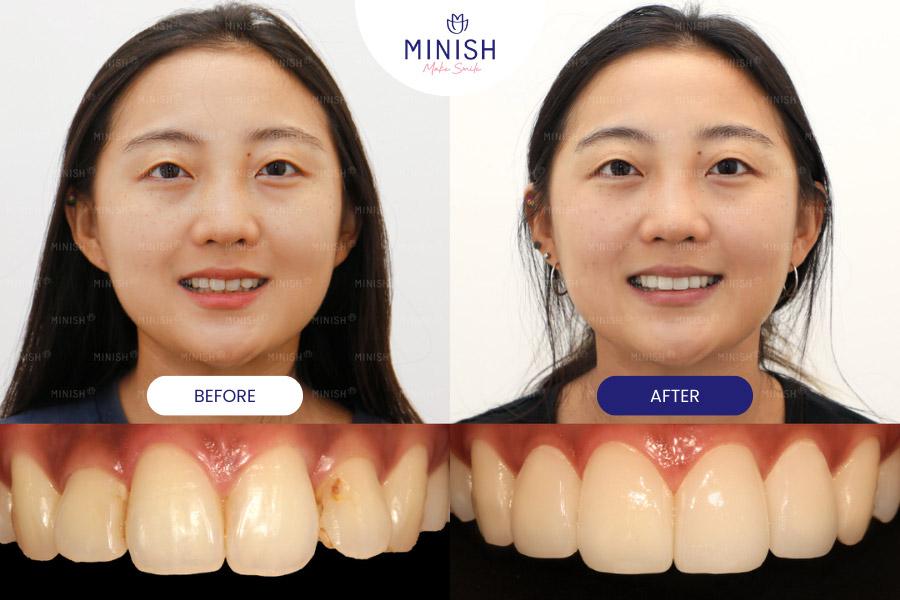
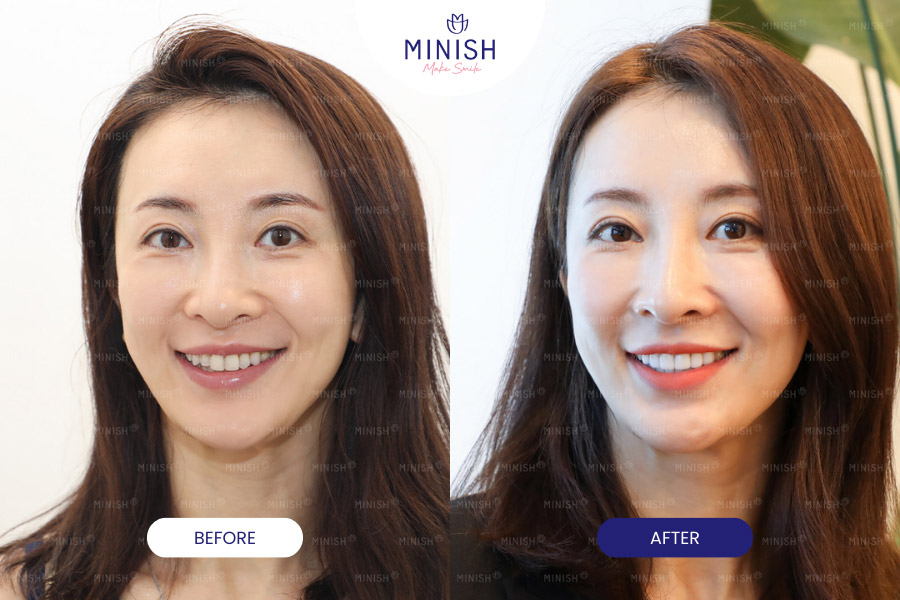
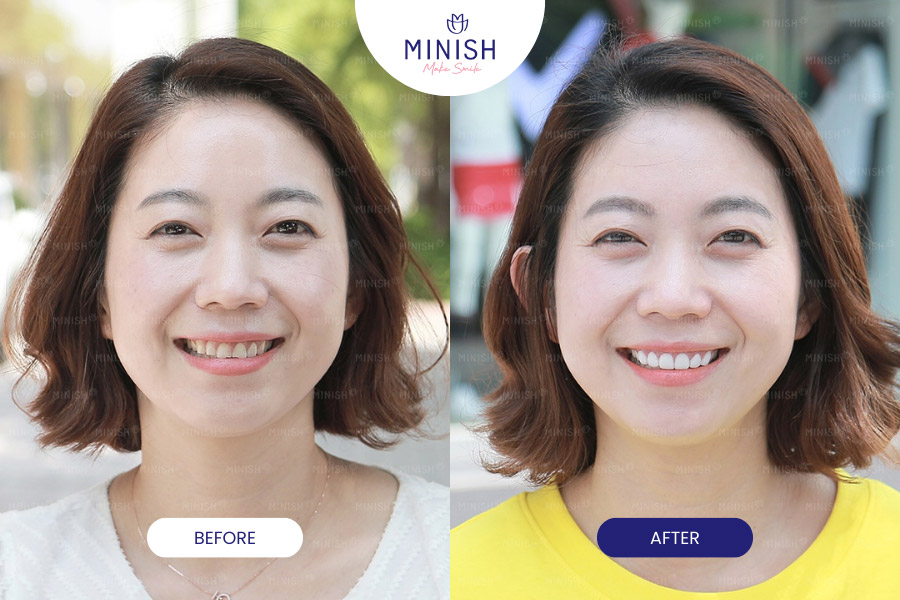
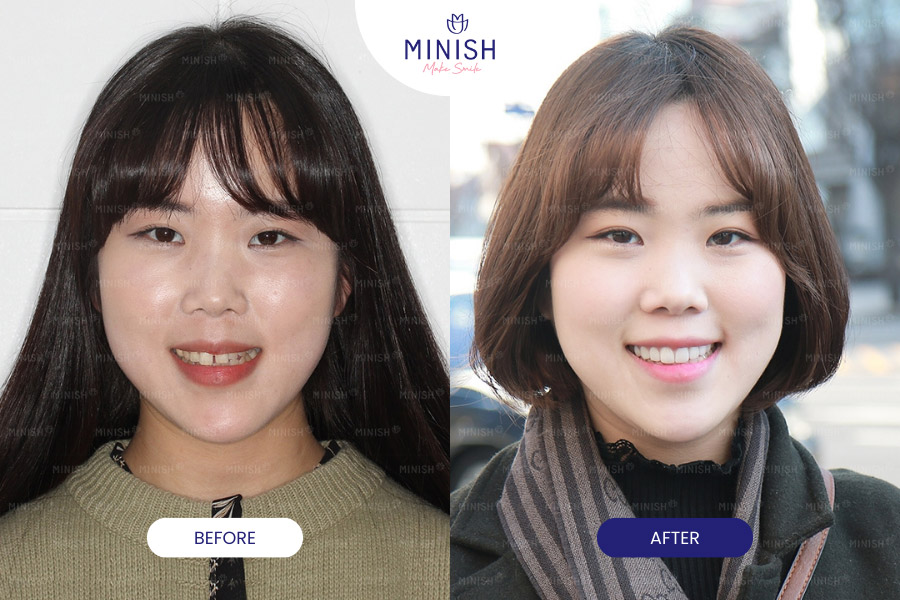
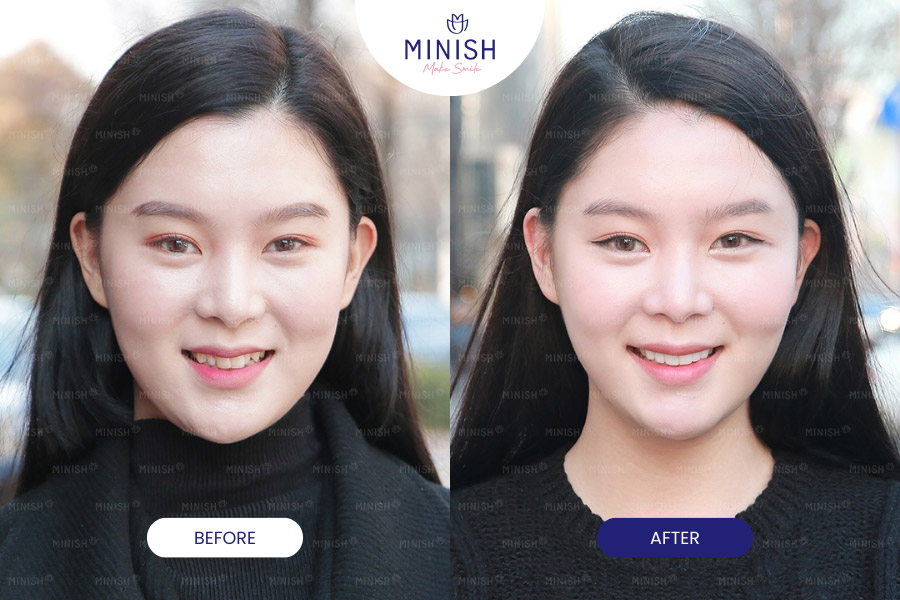
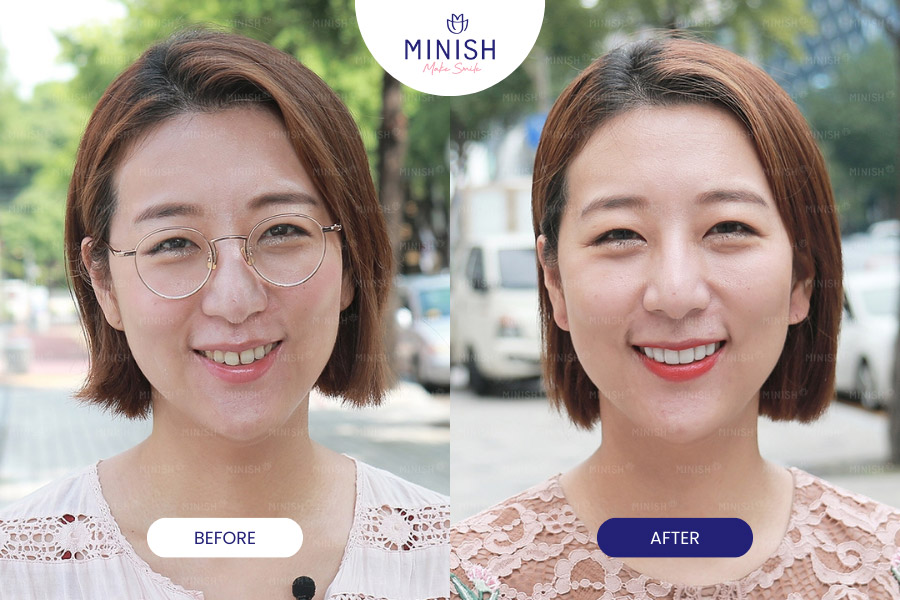
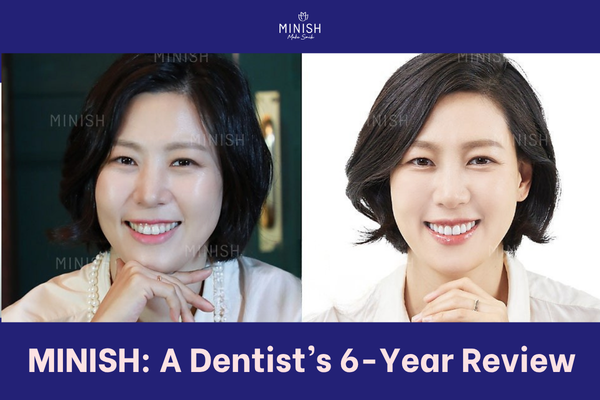
Eines der überraschendsten Dinge an MINISH-Restaurationen ist, wie schnell sie sich „normal“ anfühlen. An den meisten Tagen vergesse ich sogar, dass ich überhaupt eine Behandlung hatte. Dann fragt mich eine Patientin oder ein Patient: „Haben Sie auch MINISH bekommen, Doktor?“ – und ich erinnere mich. Statt lange zu erklären, lächle ich einfach und zeige es: „Ja. Das sind meine MINISH-Zähne.“
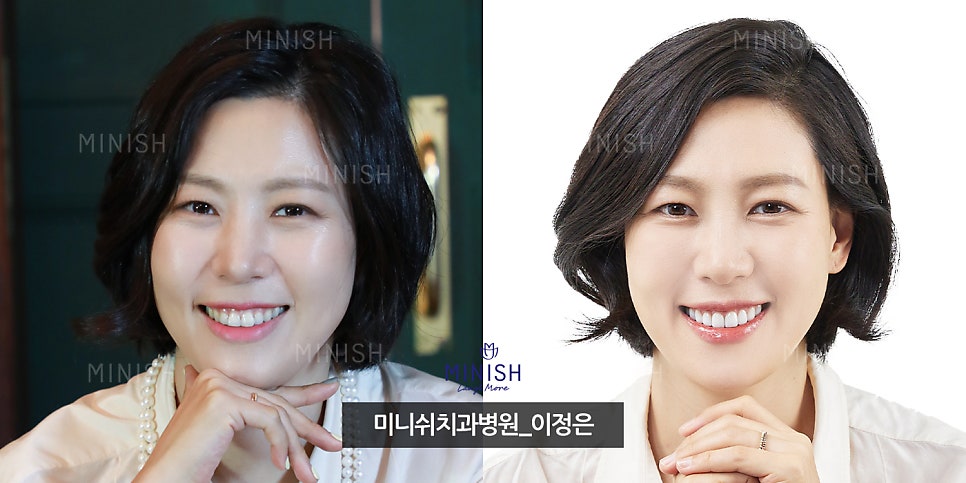
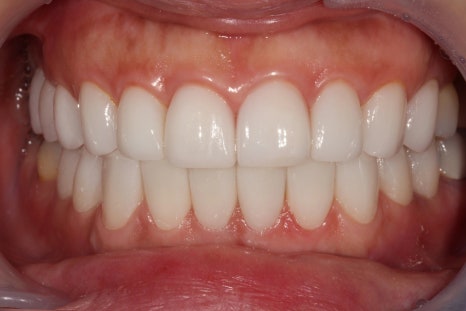
Als Zahnärztin weiß ich, wie wichtig Vertrauen ist – besonders für Patientinnen und Patienten, die für eine Behandlung aus dem Ausland anreisen. Dass ich MINISH für meinen eigenen Mund gewählt habe und Jahre später immer noch wirklich zufrieden bin, gibt Patientinnen und Patienten bei dieser Entscheidung oft mehr Sicherheit.
In diesem Blogbeitrag teile ich meine Erfahrung – sowohl als Zahnärztin als auch als MINISH-Patientin.
Warum ich mich für MINISH entschieden habe (ein Bissproblem – nicht nur eine kosmetische Frage)

Mein behandelnder MINISH-Zahnarzt ist Direktor Lee Sang-gil – und gleichzeitig mein Ehemann. Er bemerkte etwas, das mir entgangen war: Meine Frontzähne begannen, sich nach vorn zu neigen.
Diese Vorwärtsneigung war nicht nur ein „optisches“ Problem. Sie hing damit zusammen, was an den Backenzähnen passierte.
Ich habe seit Langem die Gewohnheit zu pressen und zu knirschen; außerdem bestand im Molarenbereich ein leichtes Bissungleichgewicht. Mit der Zeit nutzten sich meine Molaren stark ab – so sehr, dass ich das Zähneknirschen beim Essen hören konnte. Als sich die Molaren weiter abnutzten, begann mein Biss zu kollabieren, und die übermäßige Kraft verlagerte sich auf die Frontzähne, was zu ihrer allmählichen Positionsveränderung beitrug.
Ab diesem Zeitpunkt hatte die funktionelle Wiederherstellung der Molaren oberste Priorität.
Mein Behandlungsplan: zuerst MINISH an den Molaren, dann an den Frontzähnen
Schritt 1: MINISH an vier Molaren
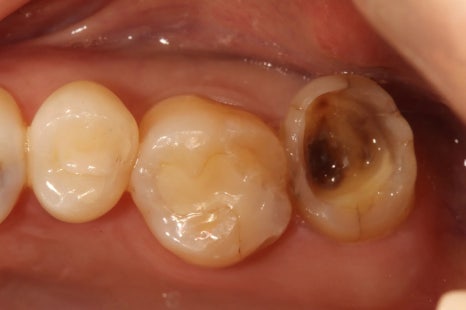
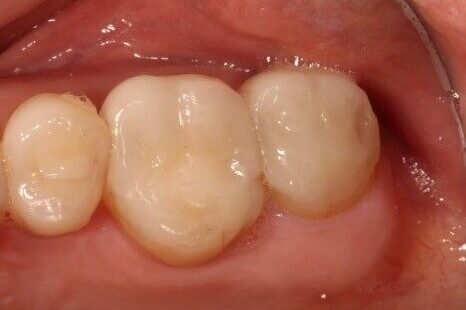
Ich erhielt MINISH-Restaurationen an insgesamt vier Molaren. Dazu gehörten:
- Molaren mit starkem Abrieb durch Knirschen und Pressen
- Erneute Behandlung eines Molaren, bei dem eine ältere Inlay-Füllung gebrochen war
- Ein Molar mit Sekundärkaries nach einer früheren Kompositrestauration
Schritt 2: MINISH an den Frontzähnen – für ein natürliches Lächeln
Nachdem ich meinen Biss durch die Molarenbehandlung stabilisiert hatte, folgte MINISH an den Frontzähnen:
- Oberkiefer: 8 Zähne
- Unterkiefer: 10 Zähne
- Insgesamt: 18 Frontzähne
Das Ergebnis war in zweierlei Hinsicht ausgewogen:
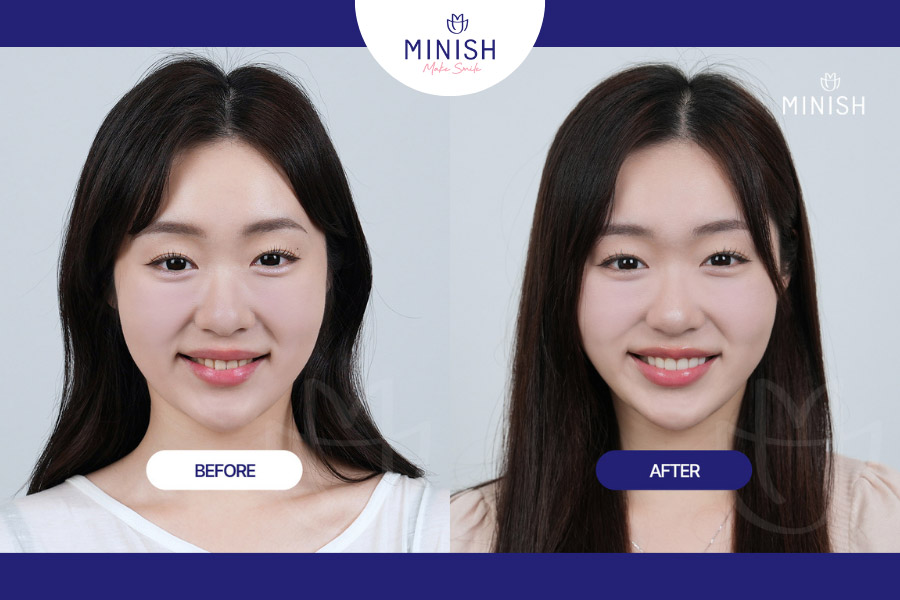
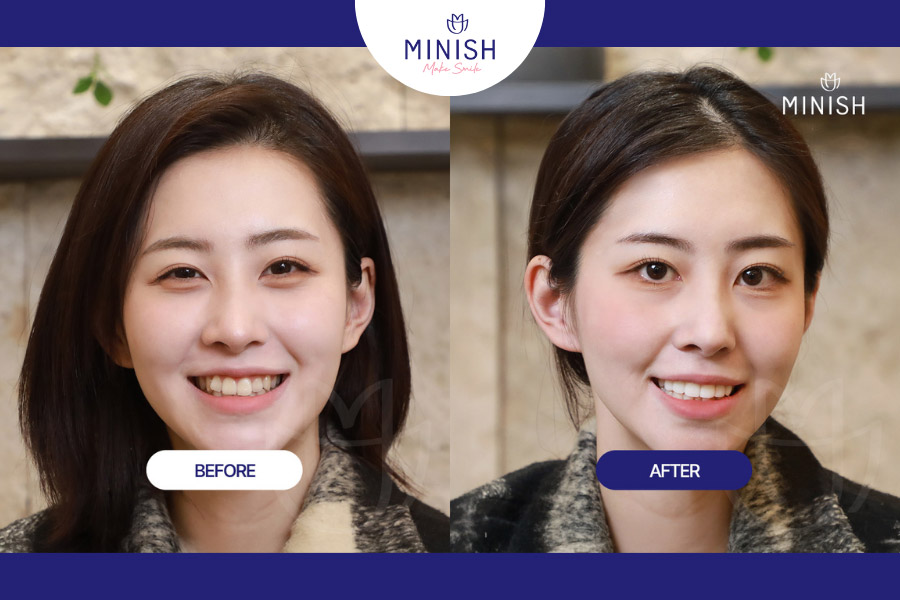
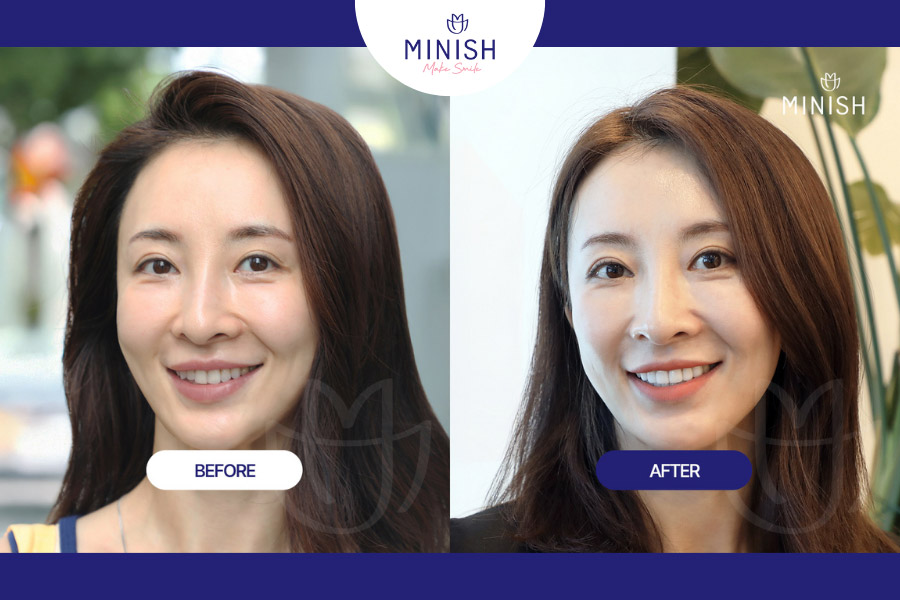
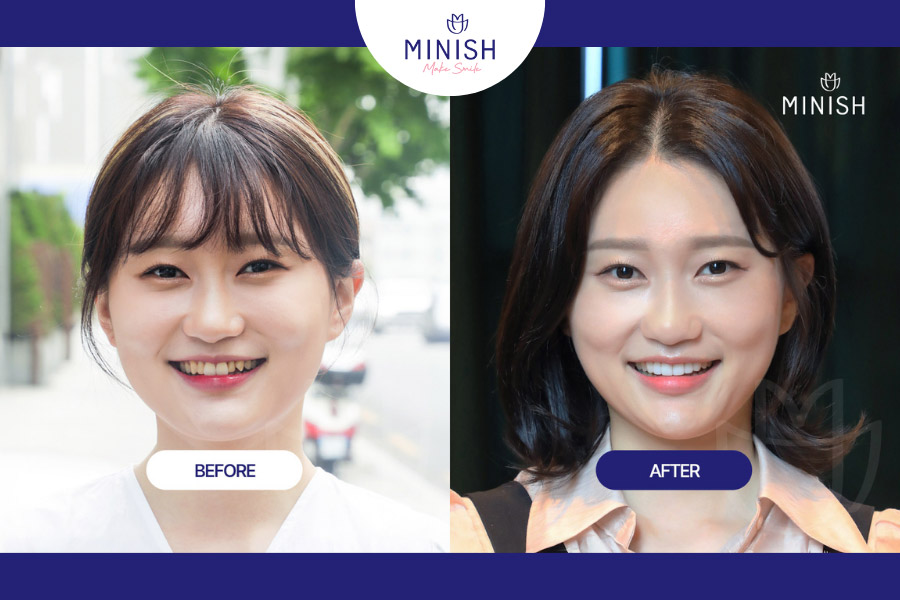
- Funktionell: Mein Biss stabilisierte sich und fühlte sich angenehm an.
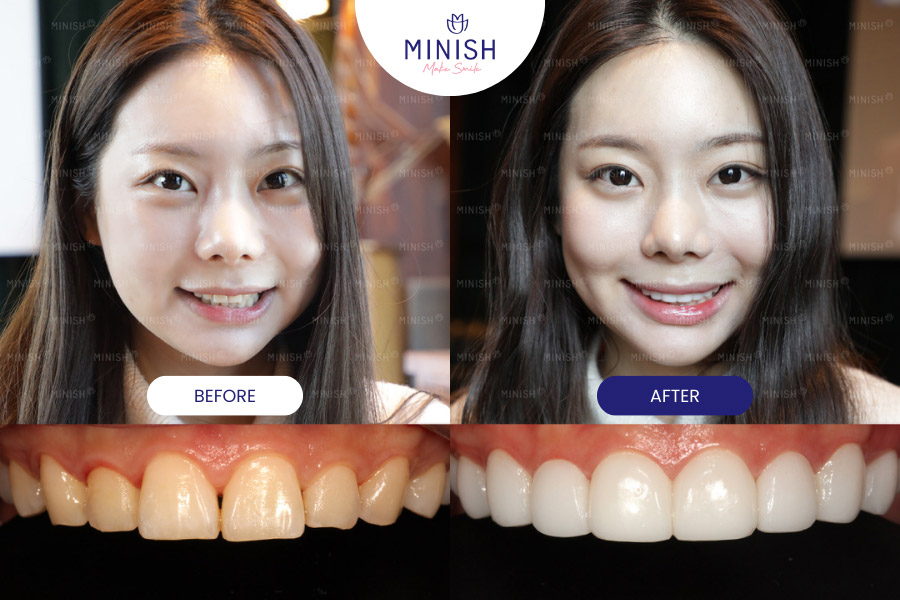
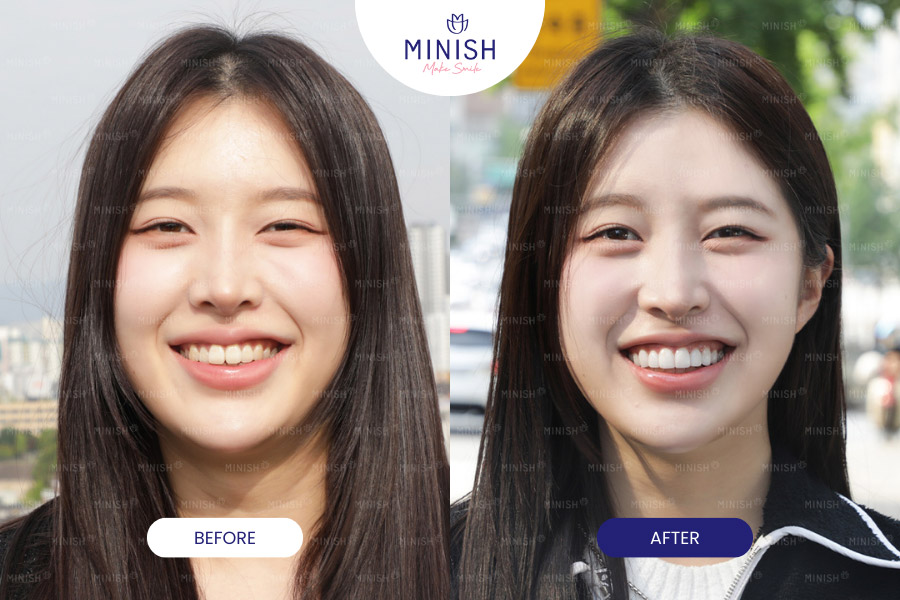
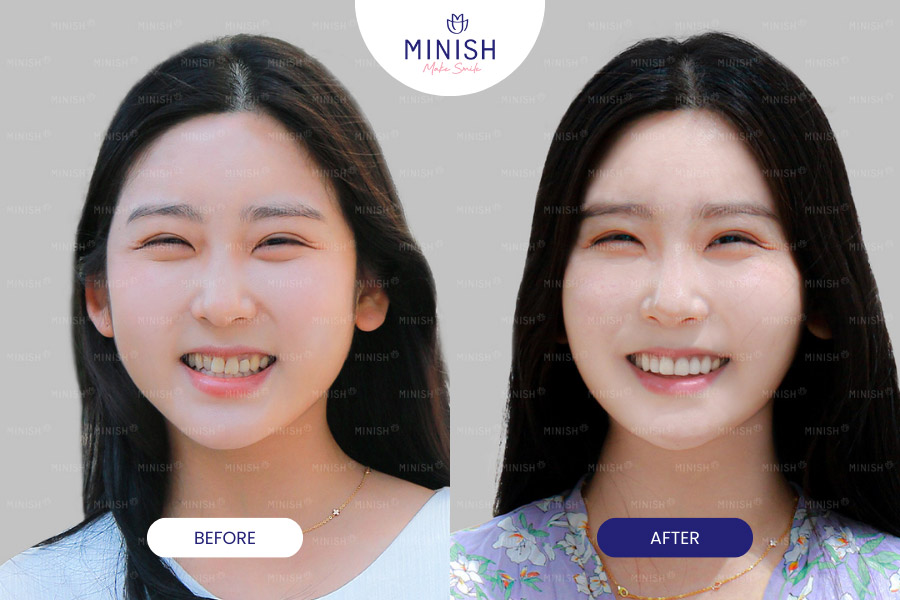
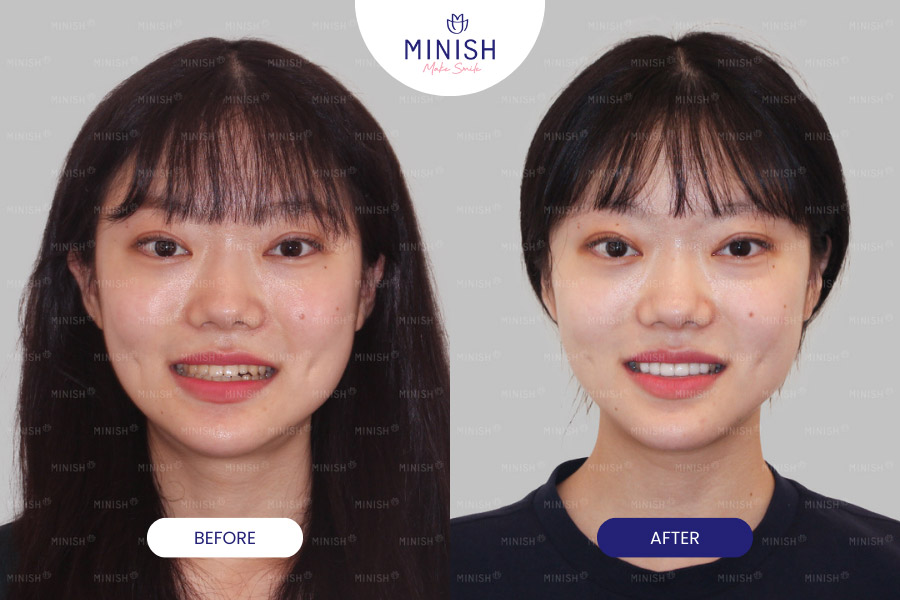
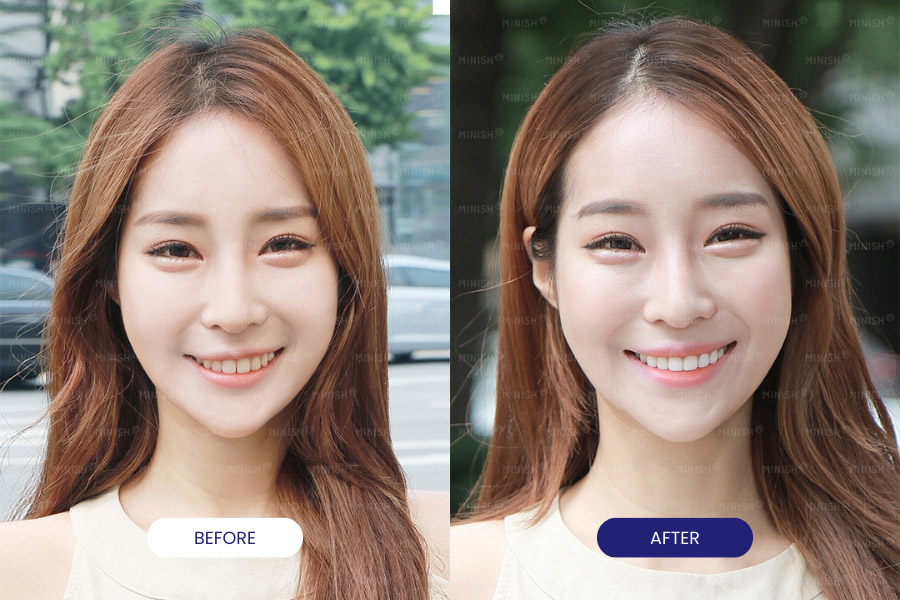
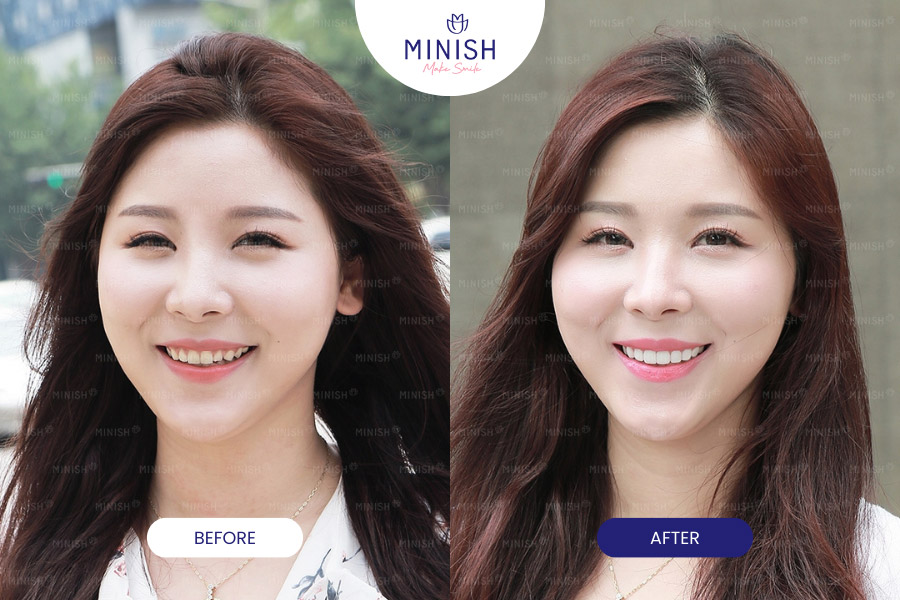
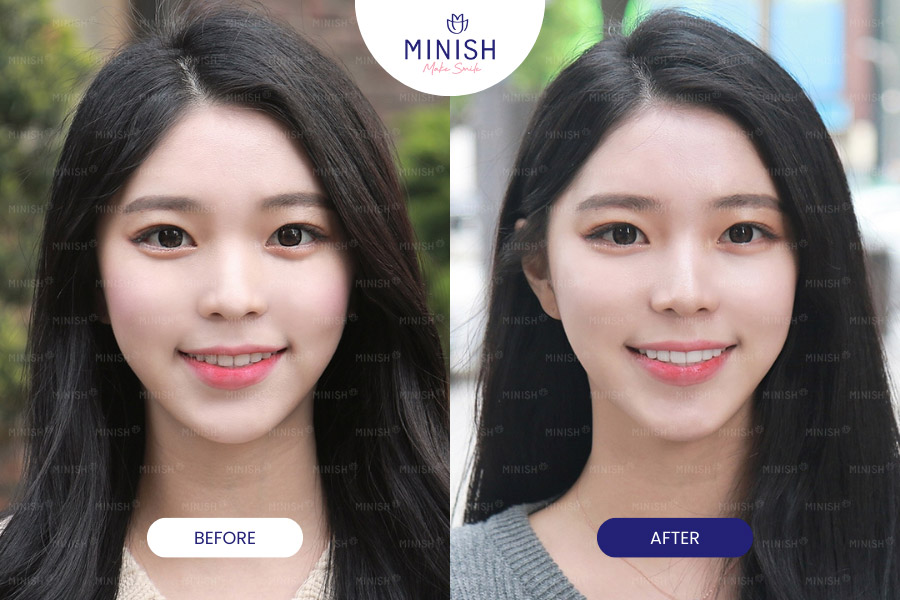
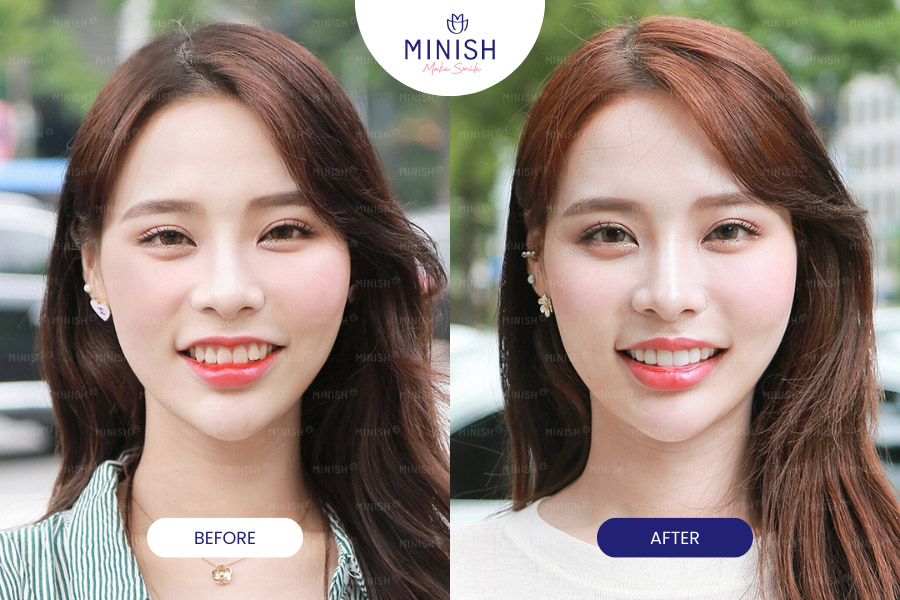
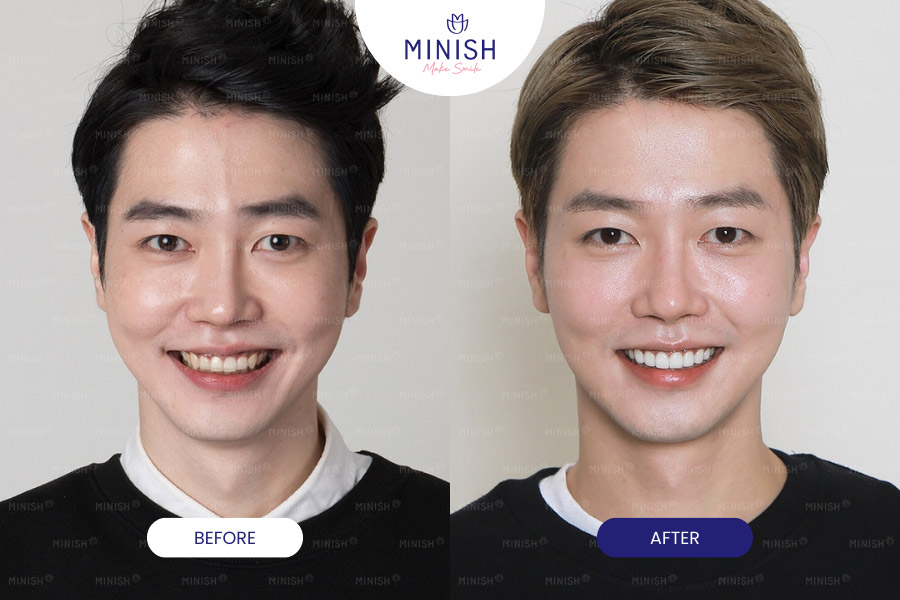
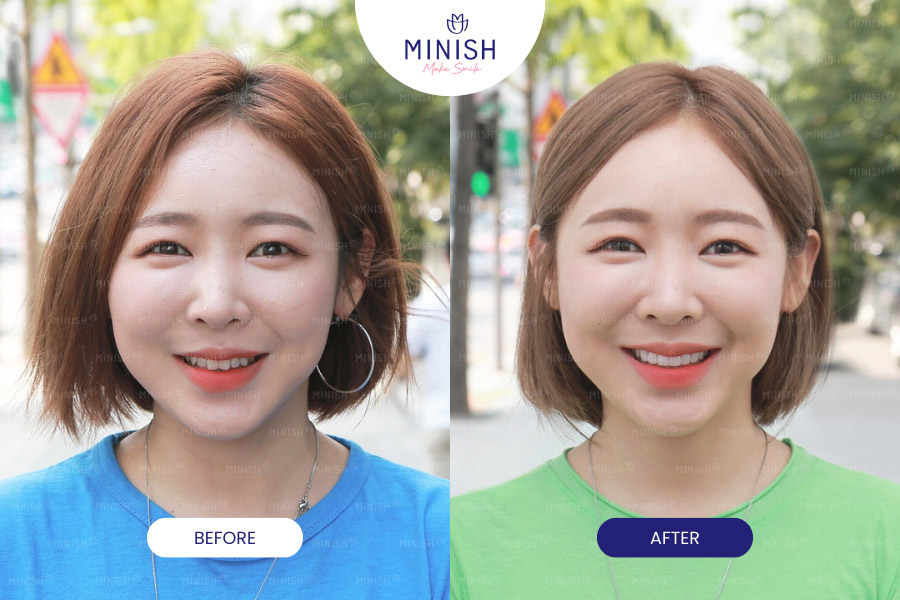
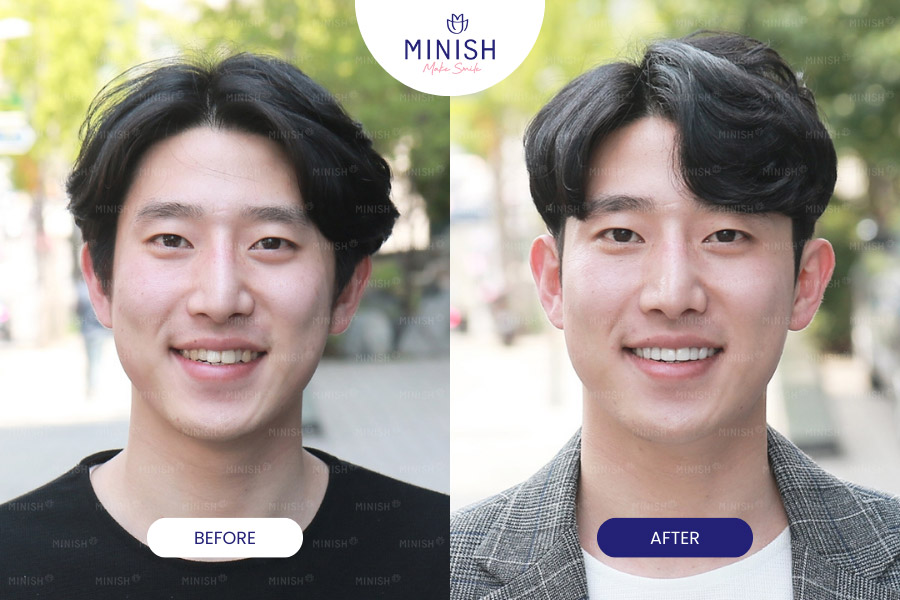
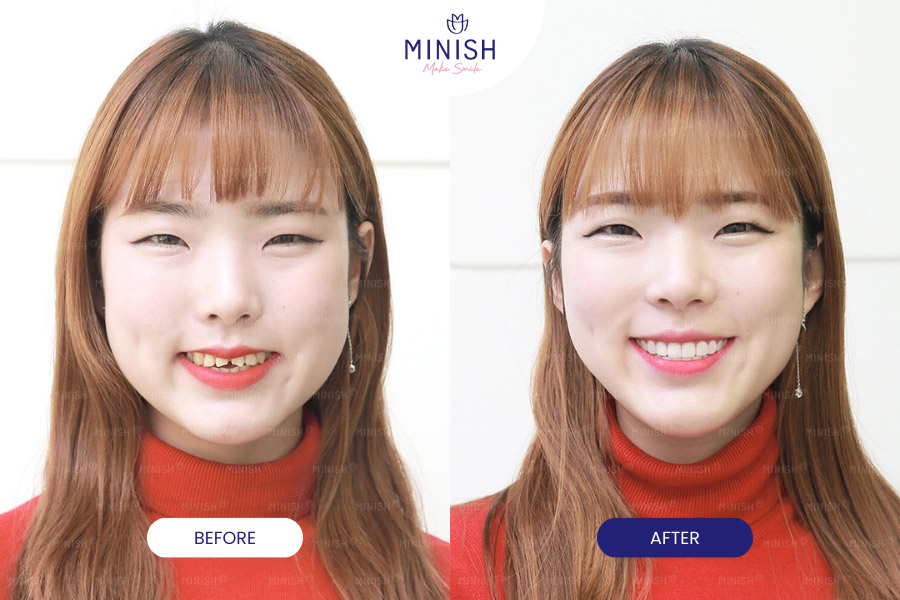
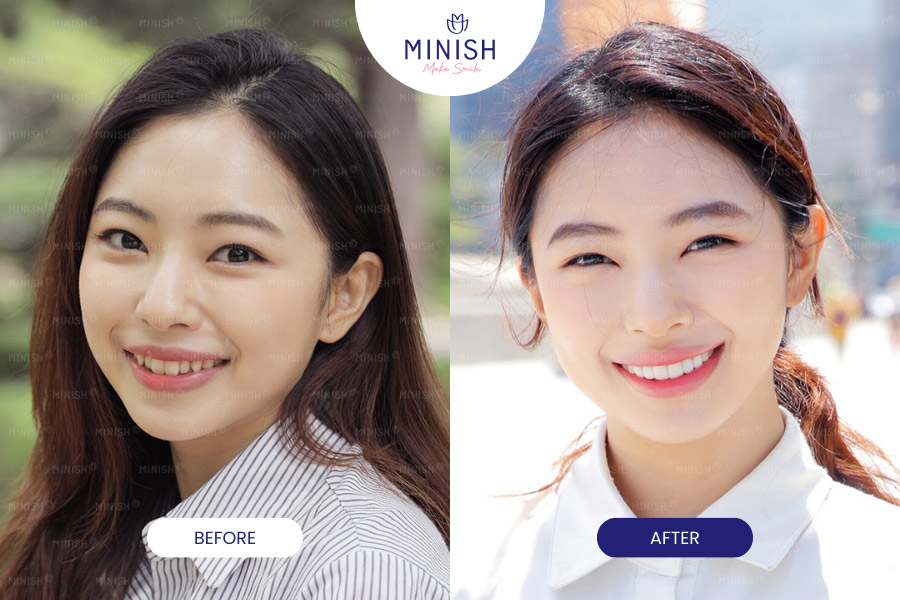
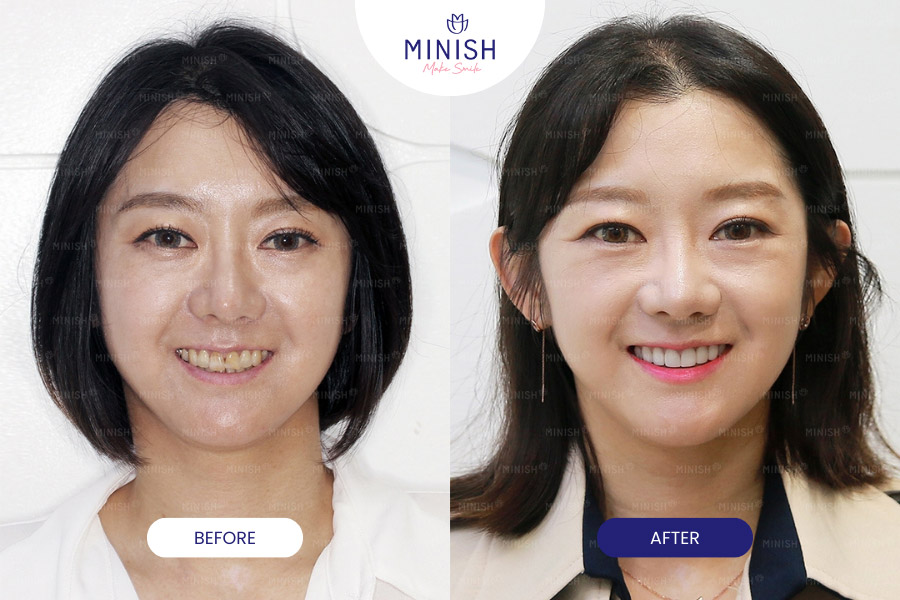
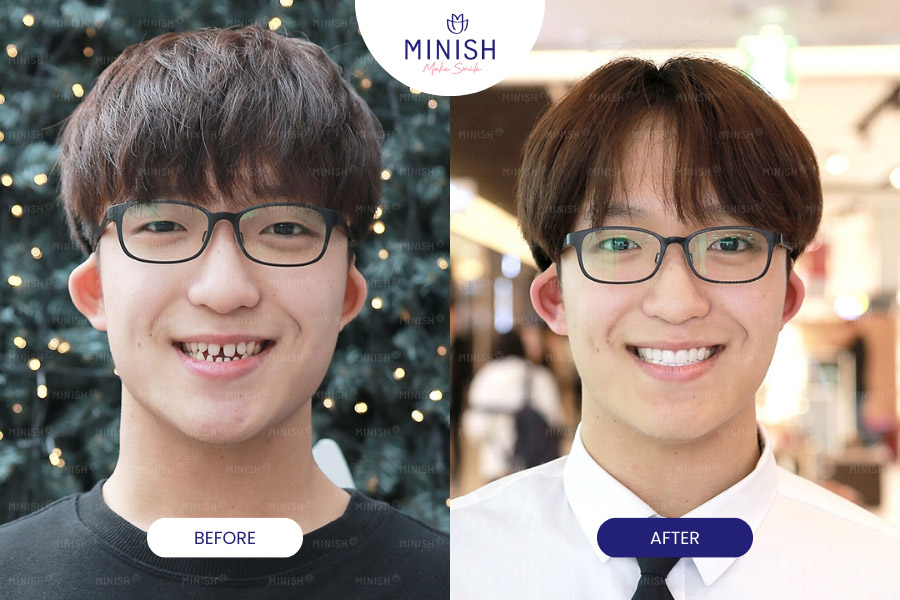
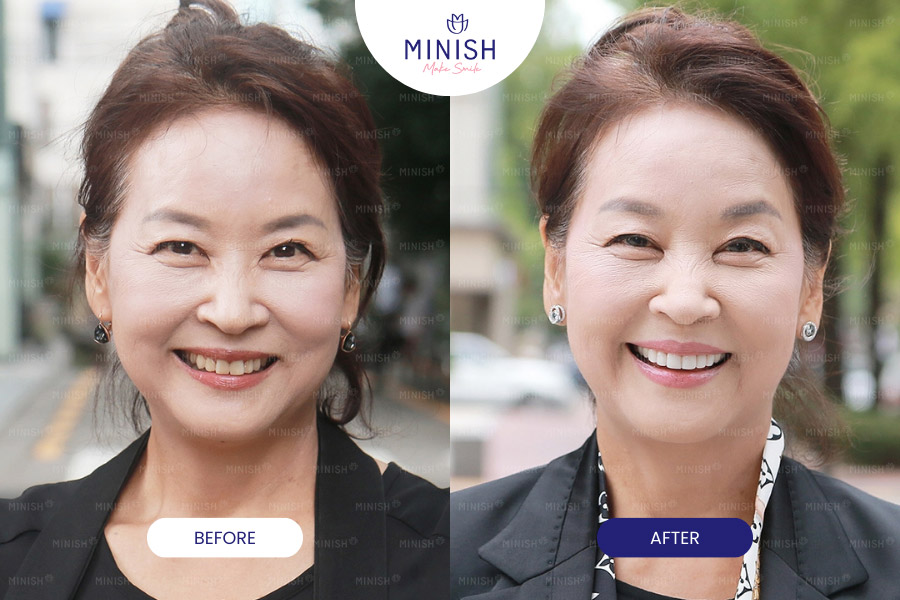
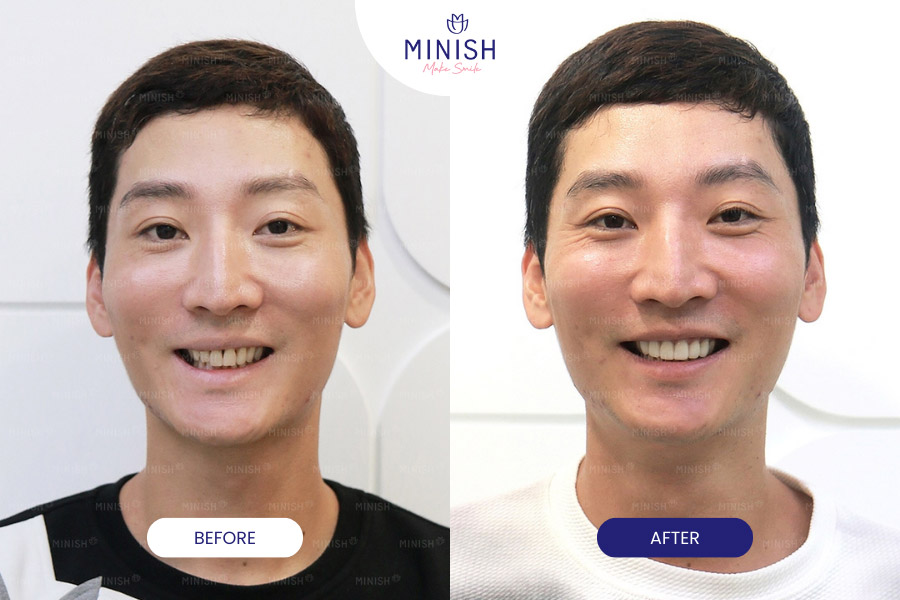
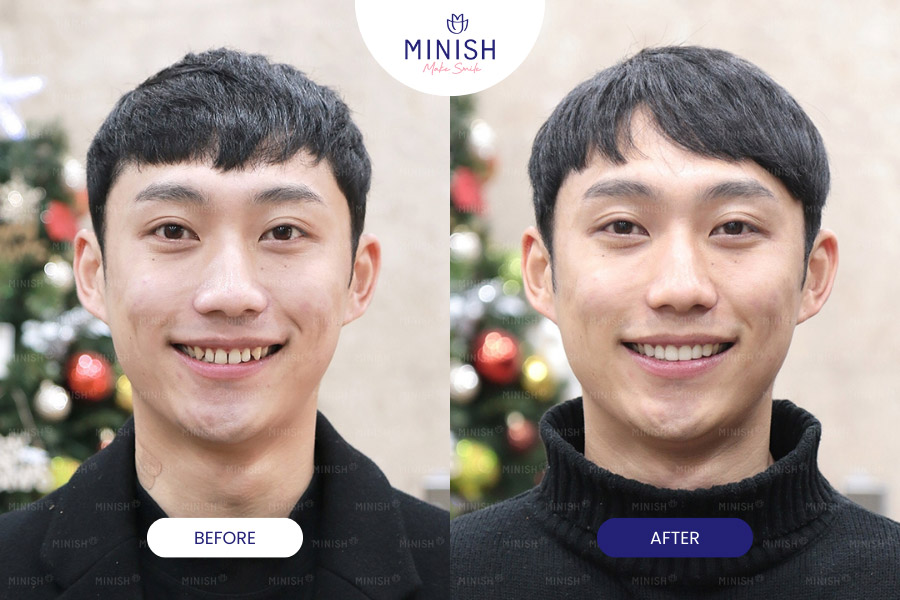
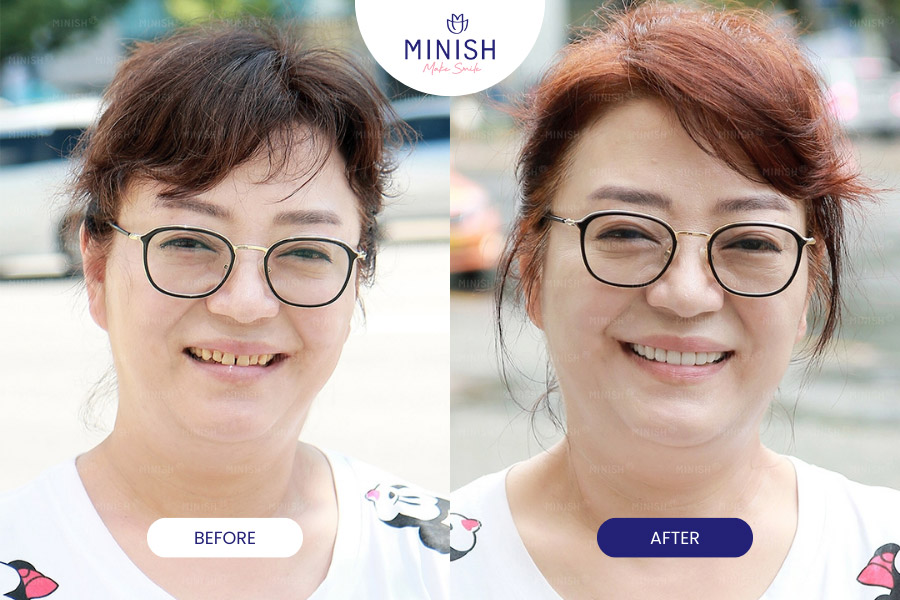
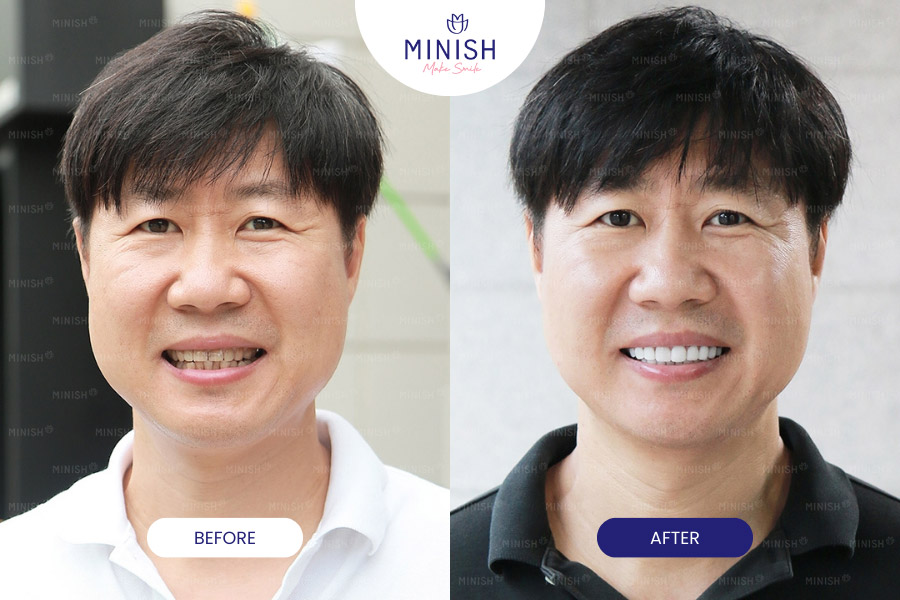
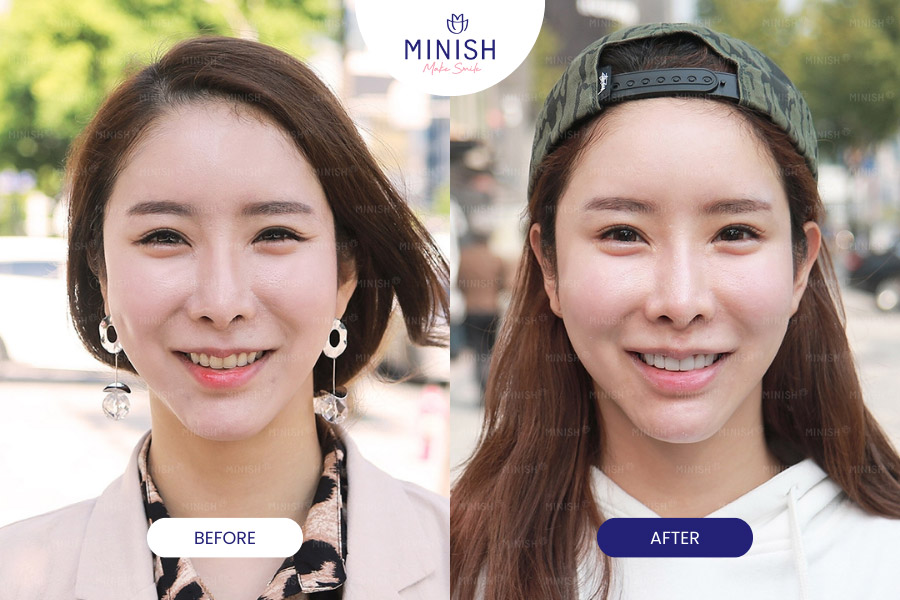
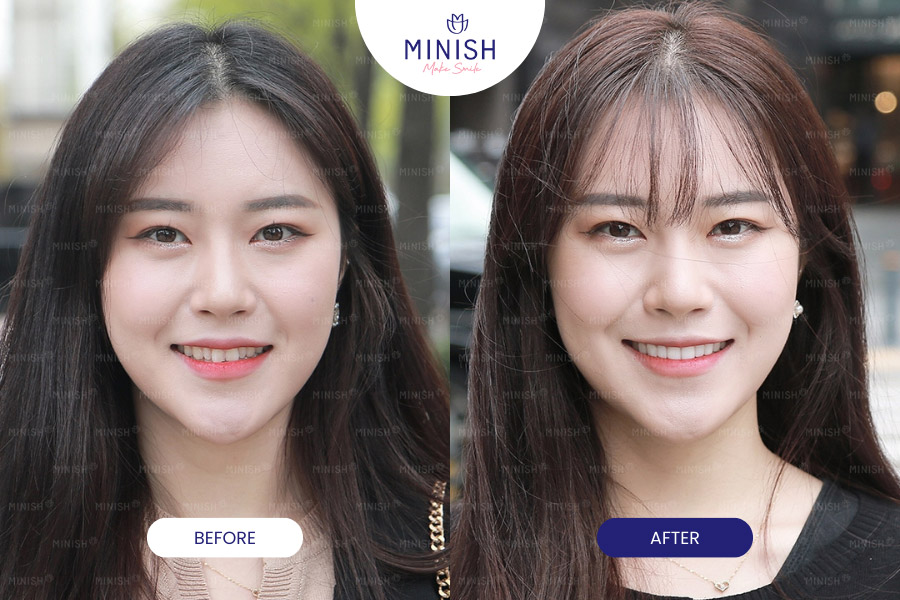
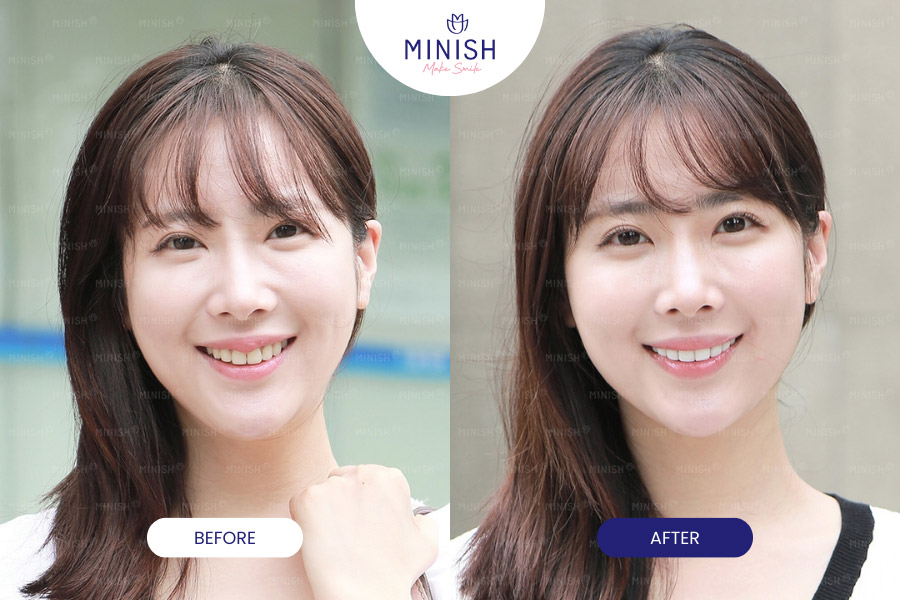
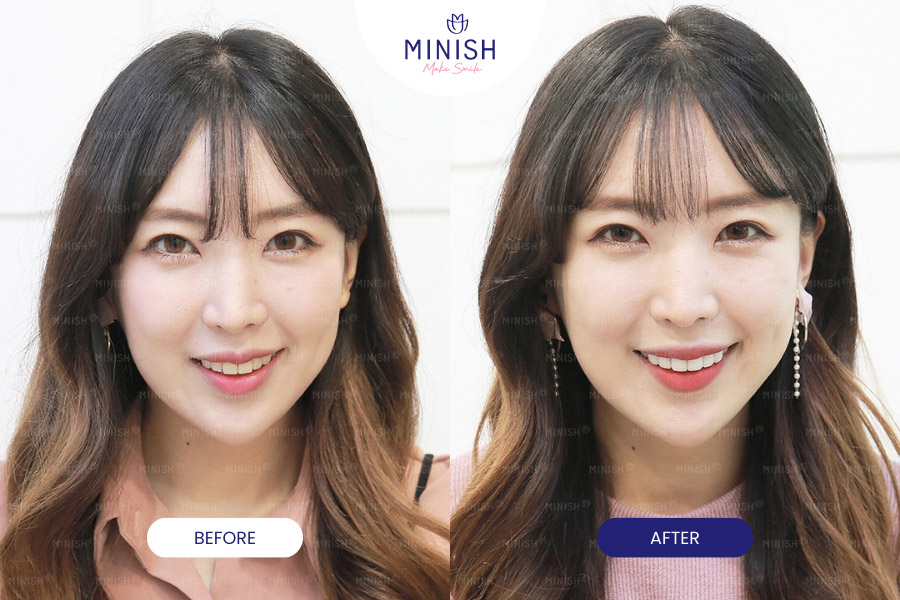
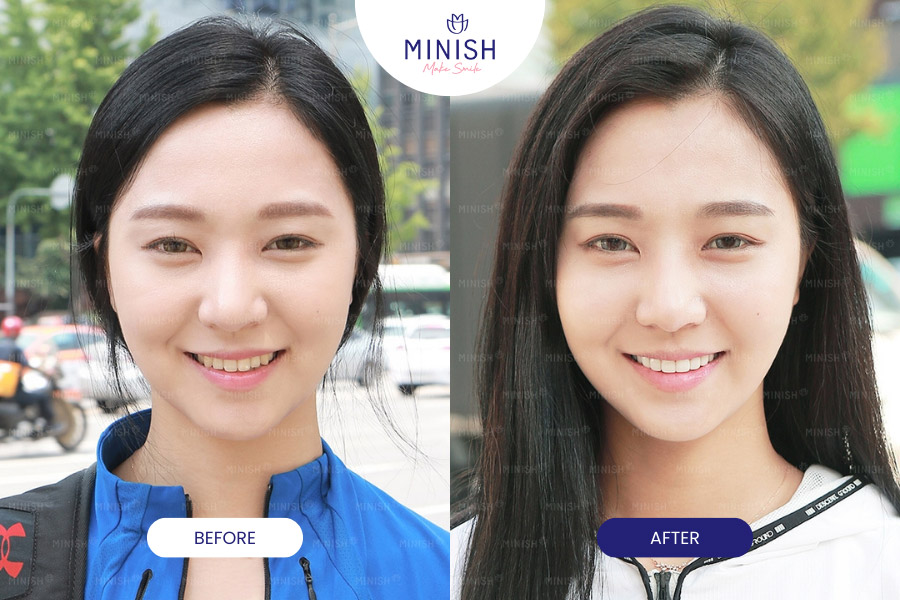
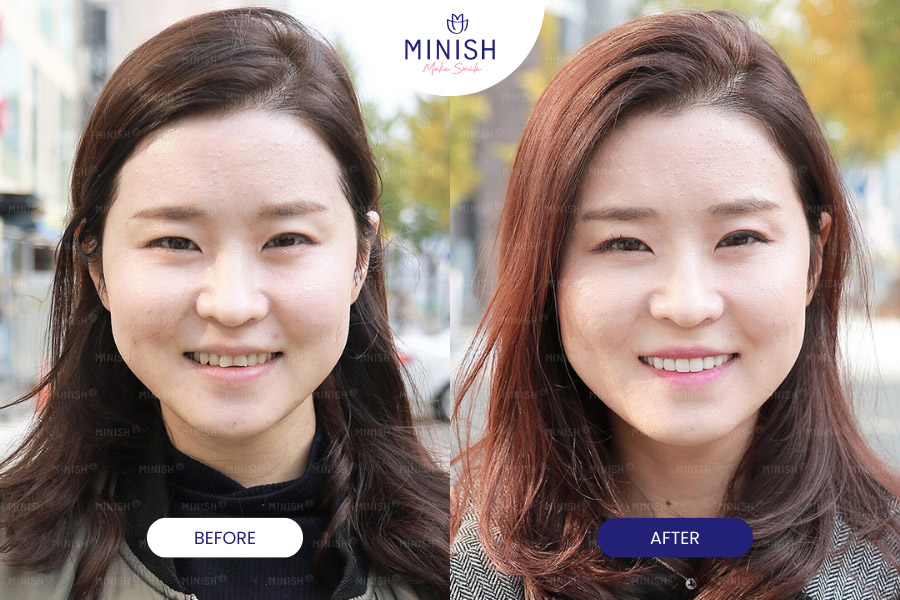
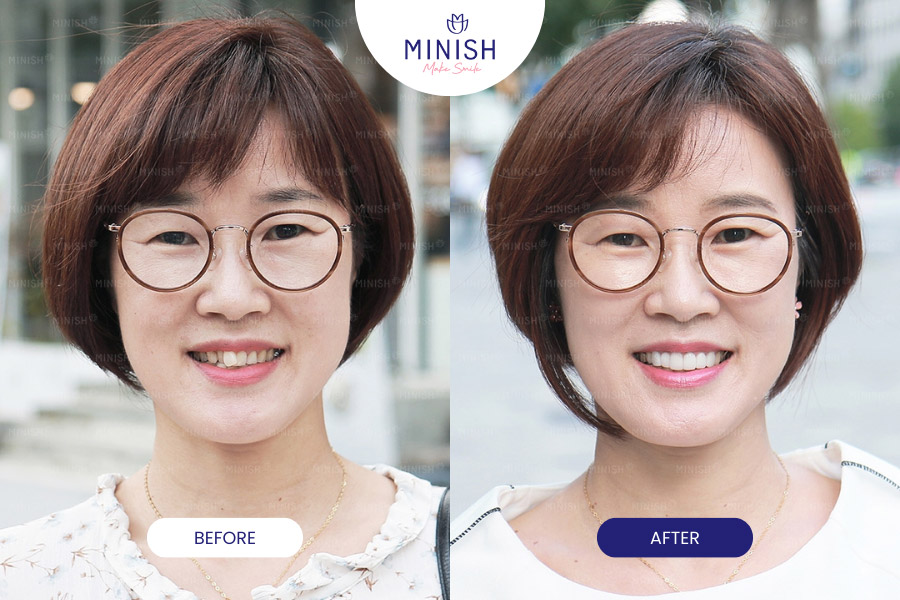
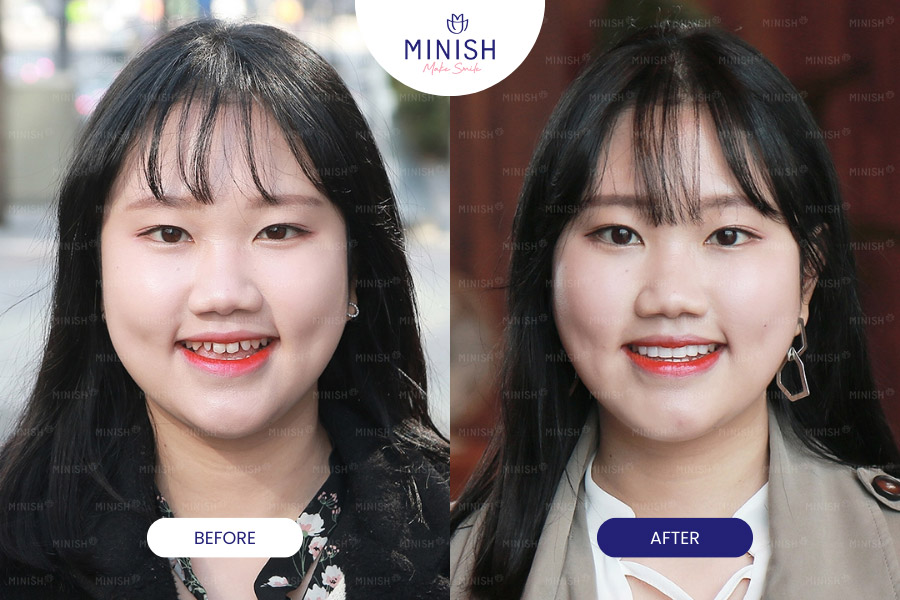
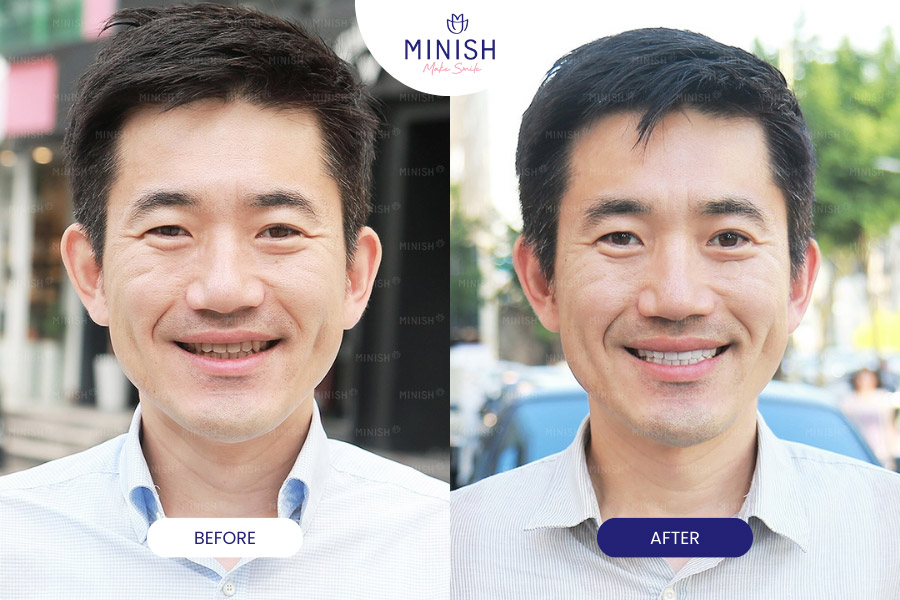
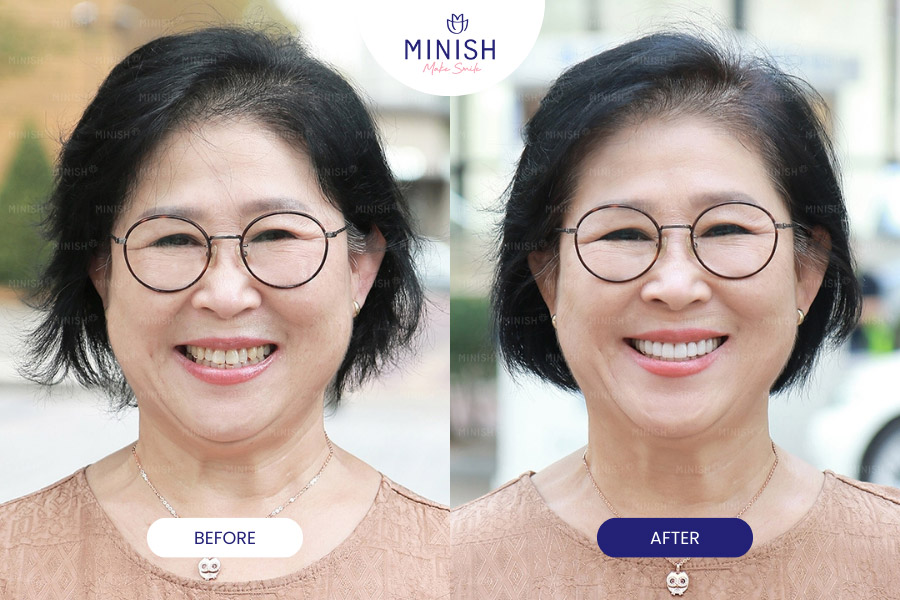
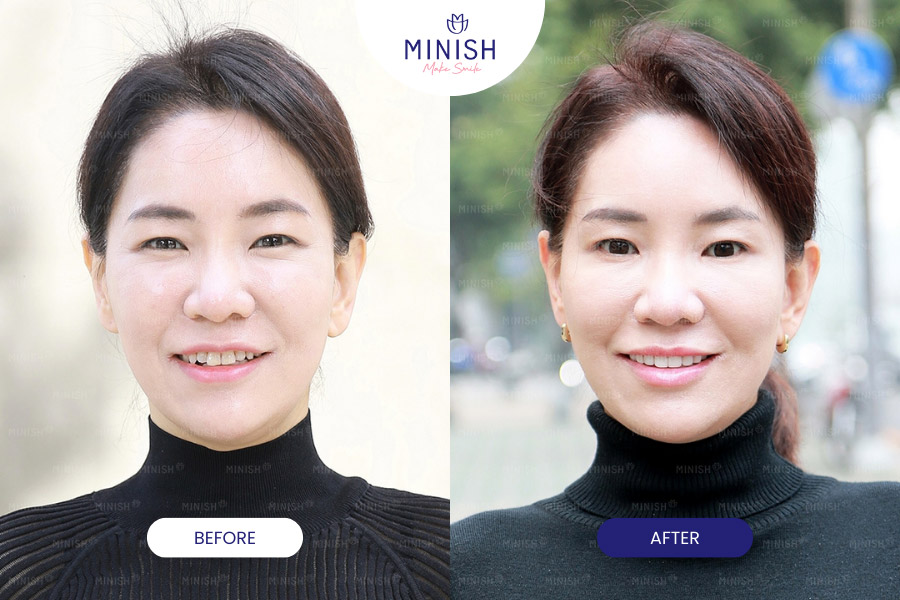
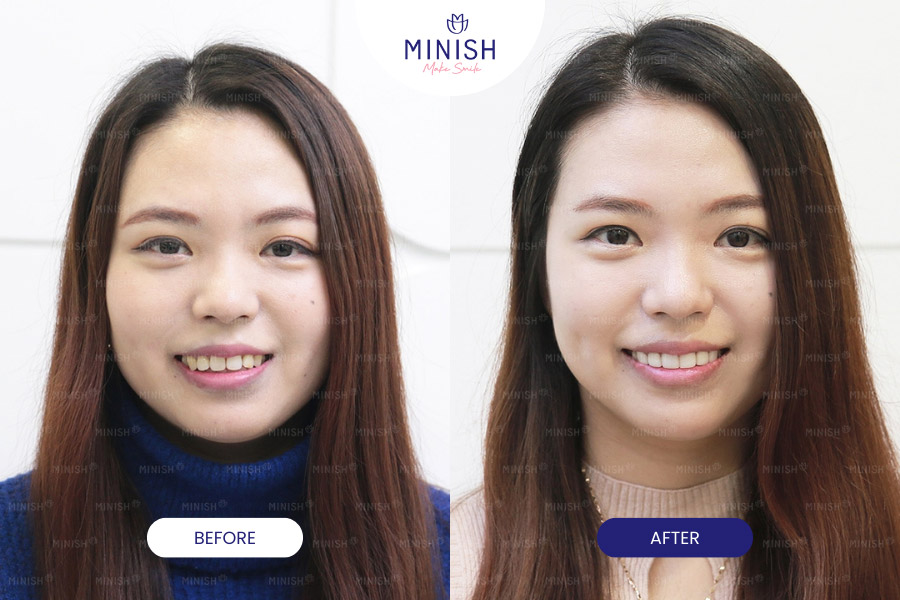
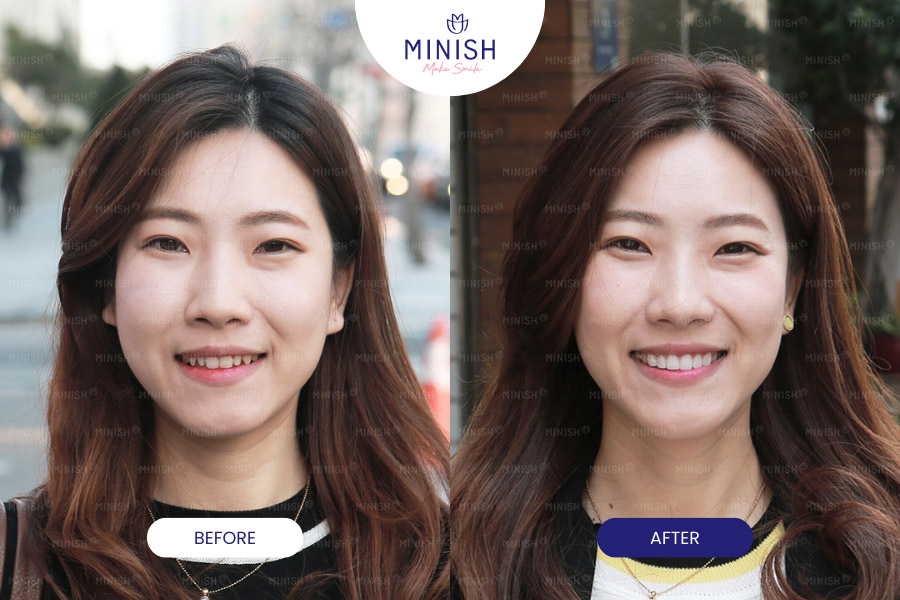
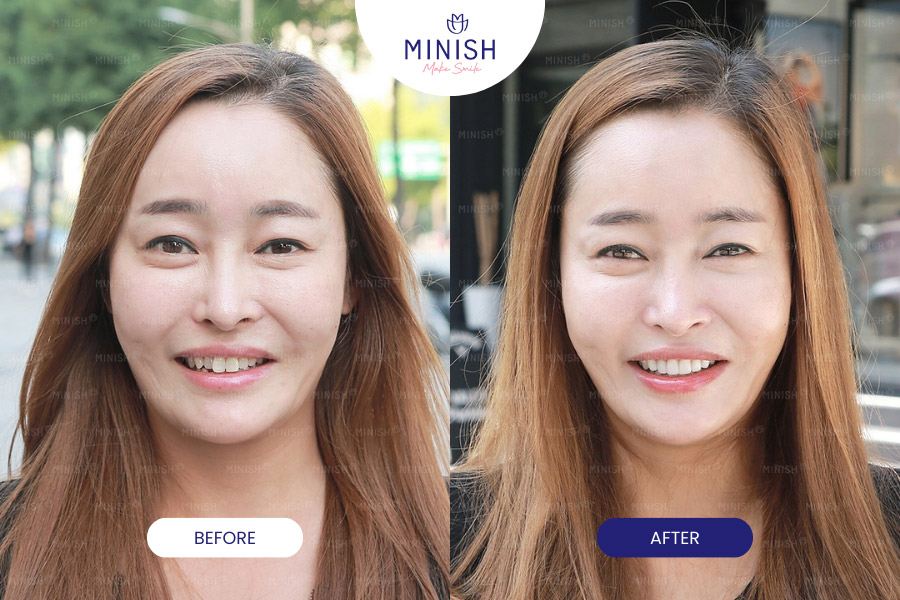
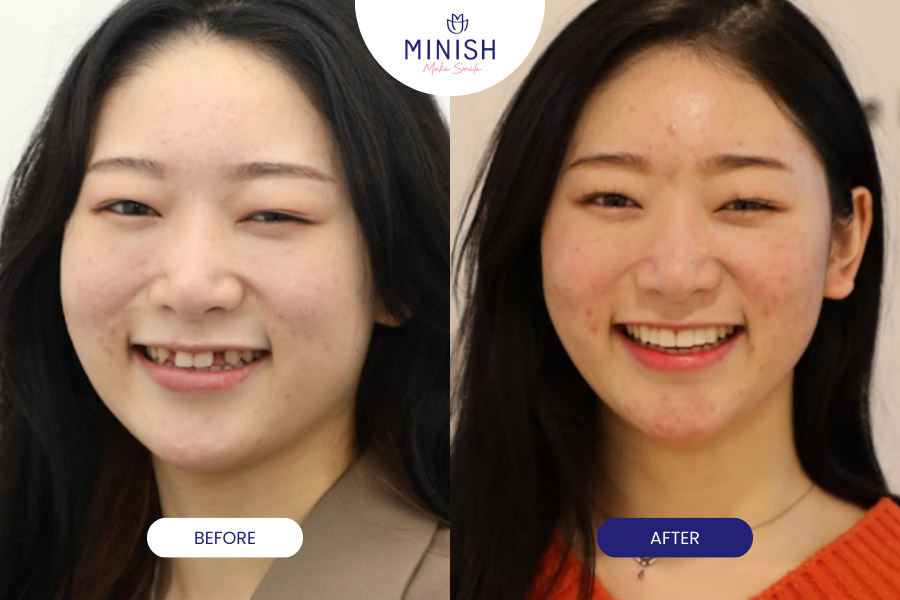
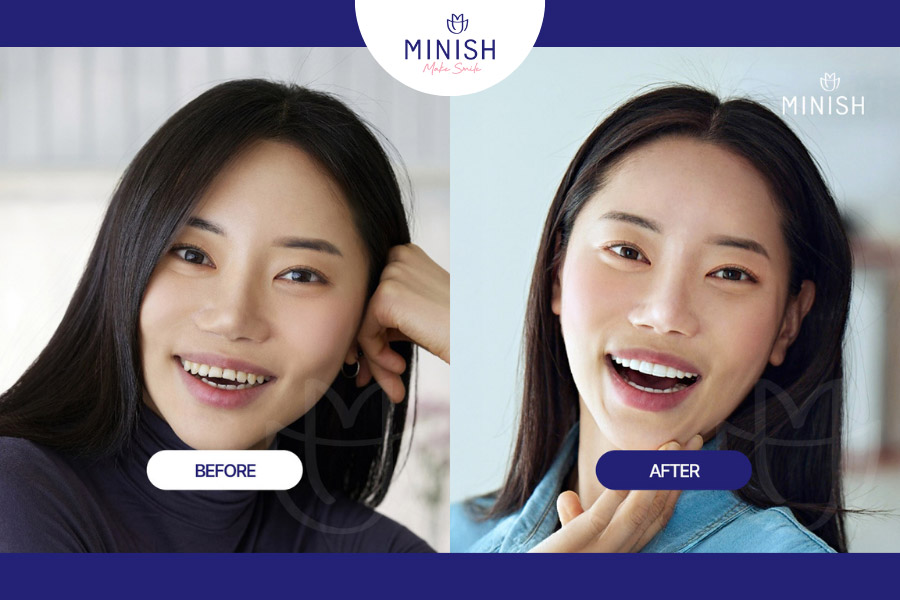
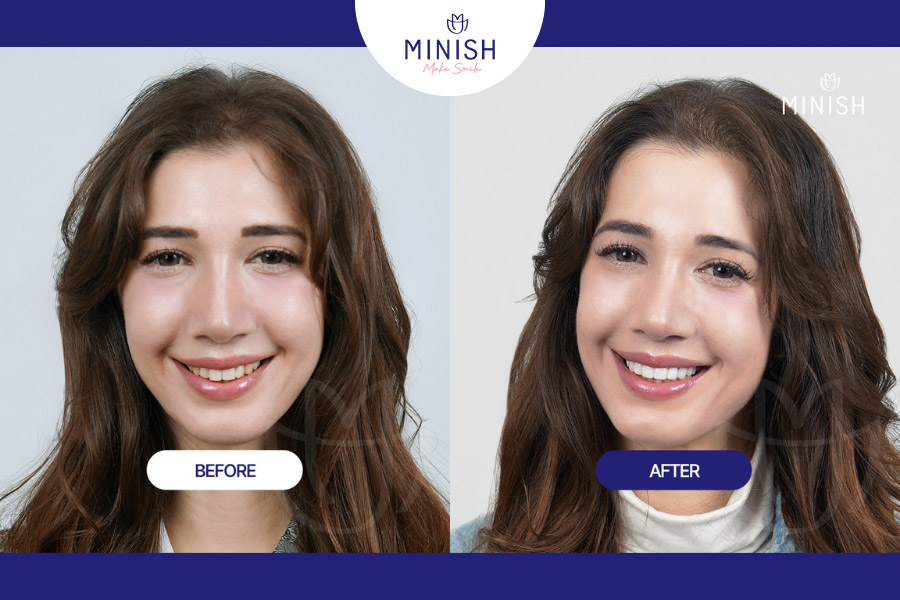
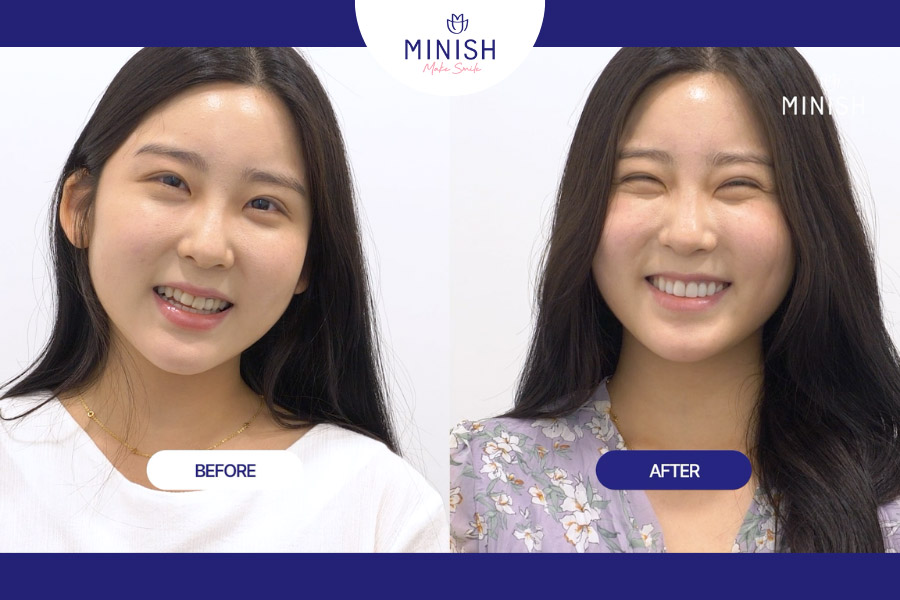
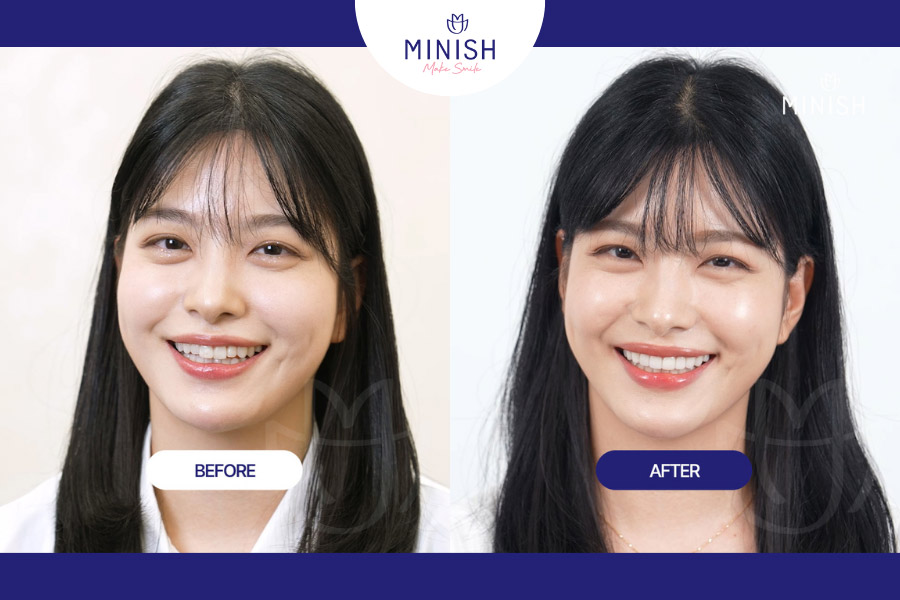
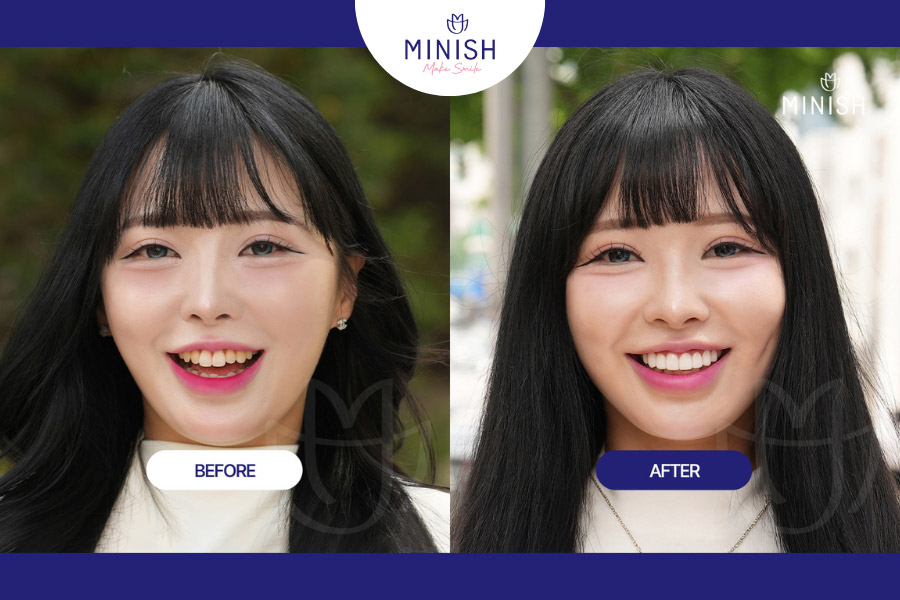
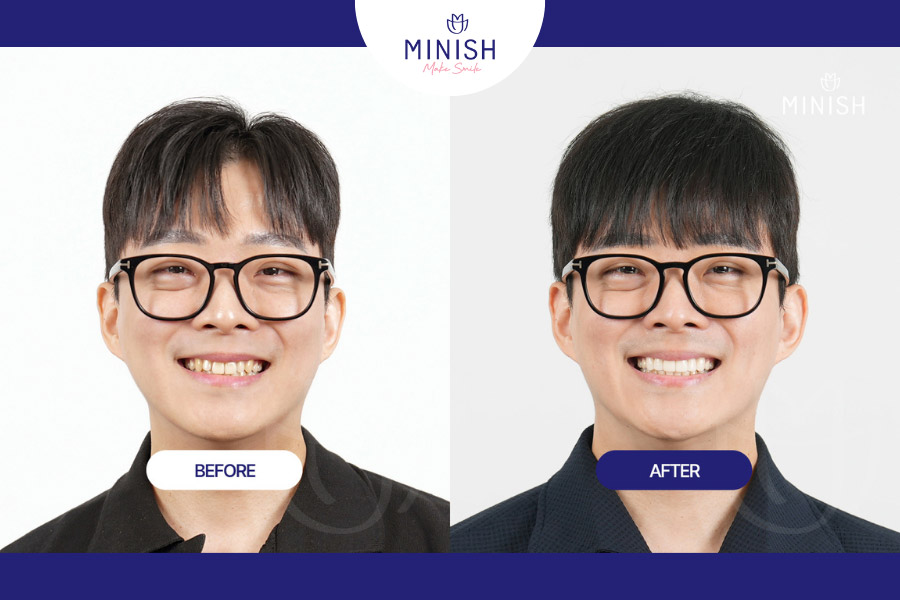
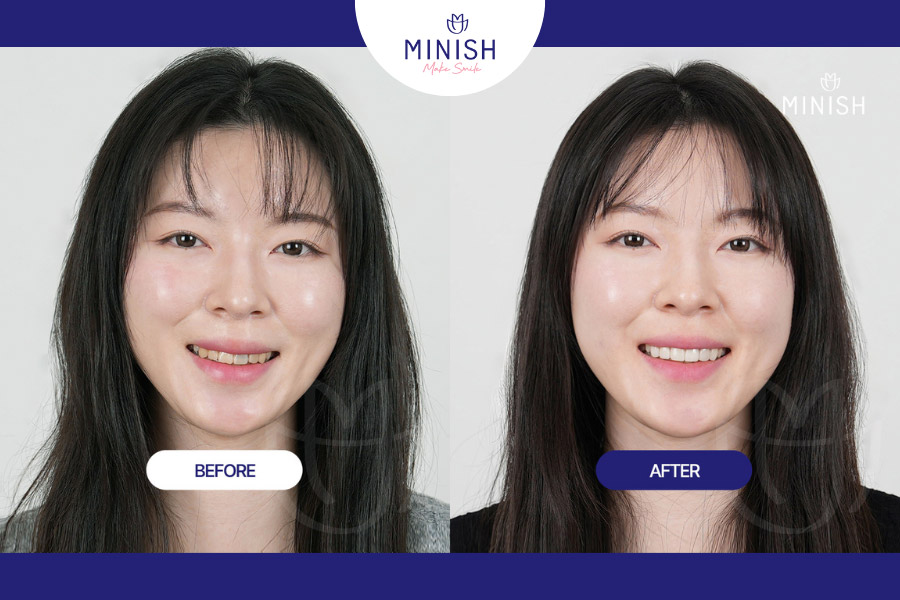
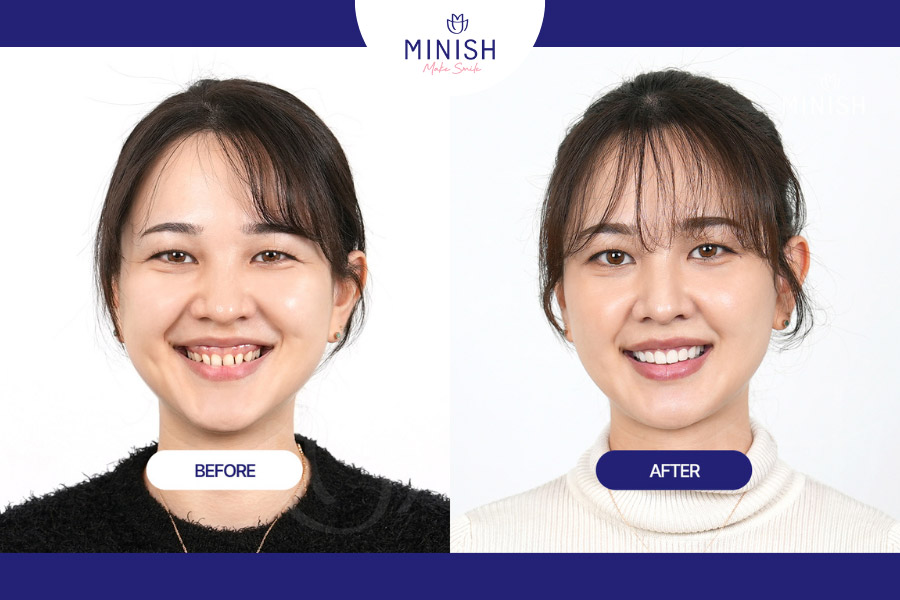
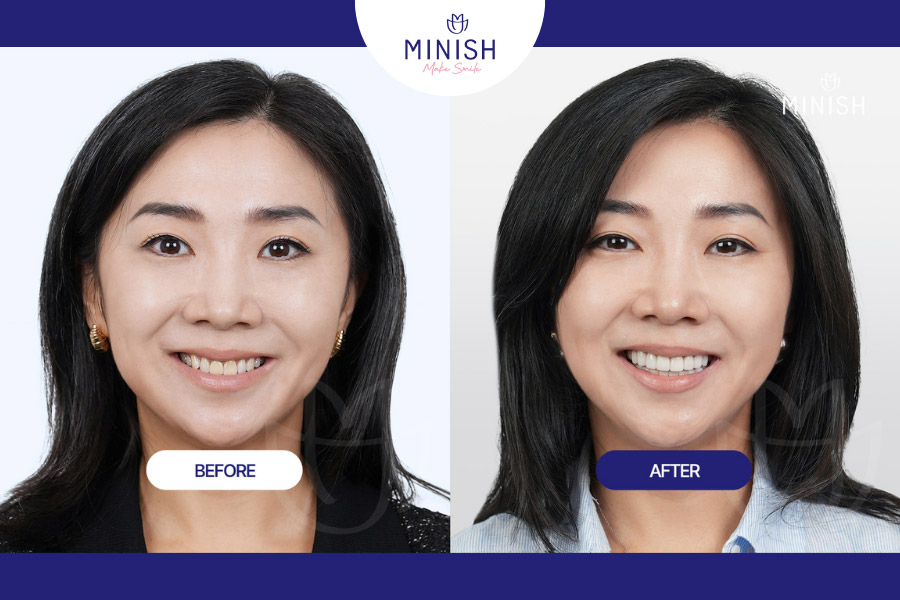
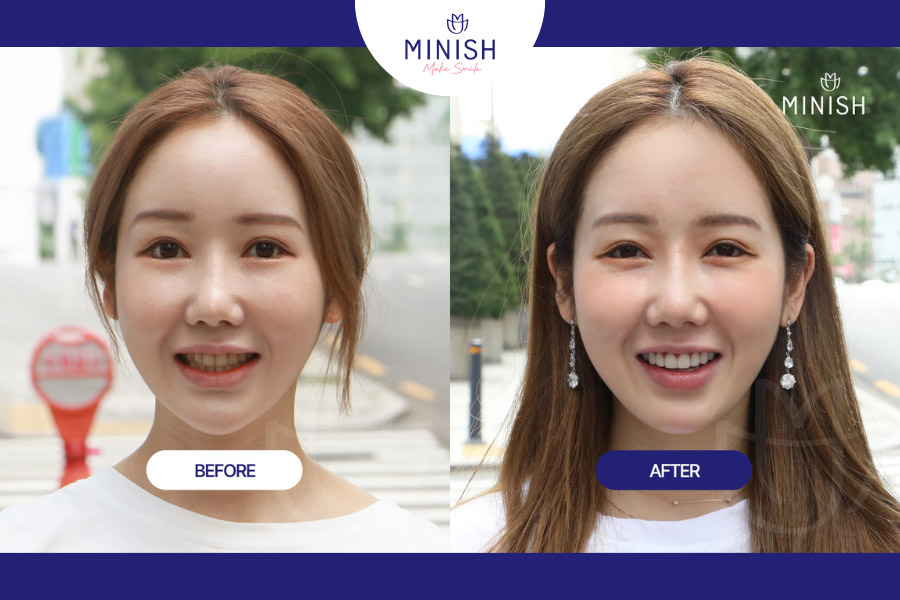
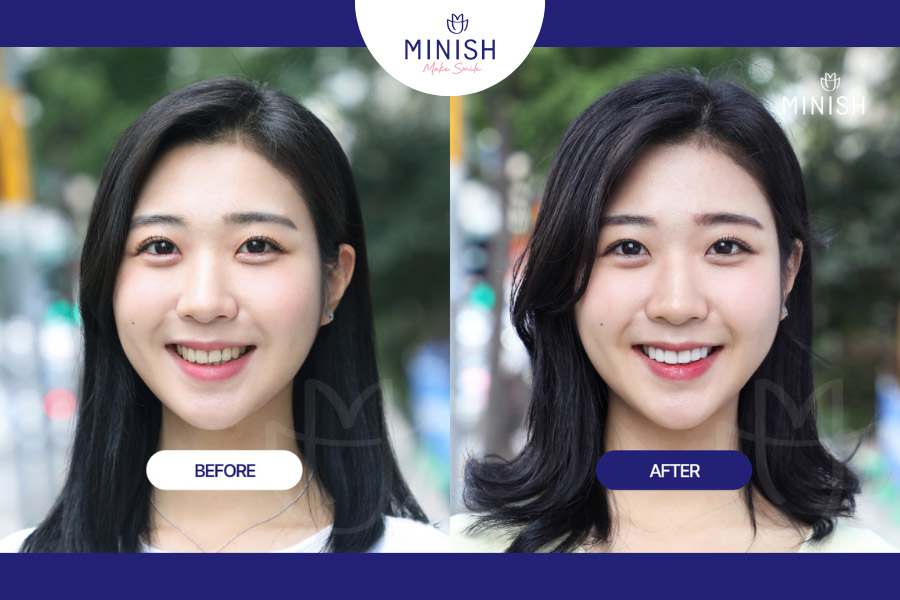
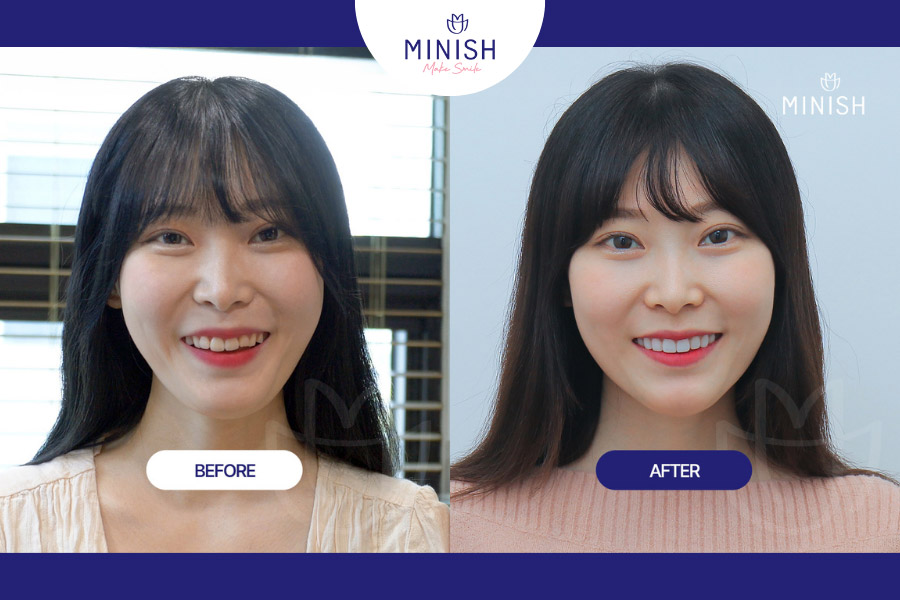
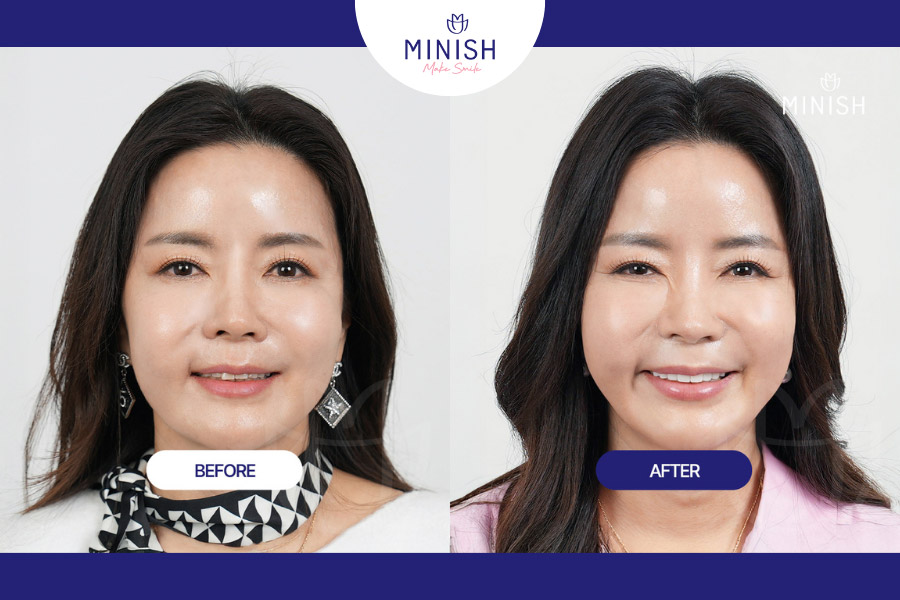
- Ästhetisch: Meine Zähne sahen natürlich aus – und ich konnte wieder unbeschwert lächeln.

„Ist MINISH nicht zu dünn, um stabil zu sein?“ (meine Antwort nach 6 Jahren)
Das ist die häufigste Frage, die ich höre – besonders von Patientinnen und Patienten, die verschiedene Optionen der ästhetischen Zahnmedizin vergleichen.
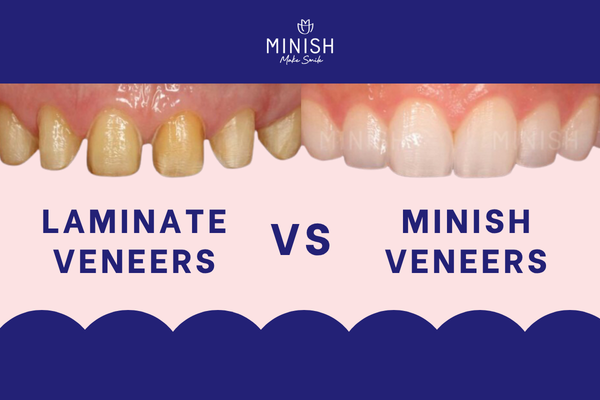
MINISH kann sehr dünn hergestellt werden (je nach Zahnzustand in manchen Fällen sogar bis zu 0,1 mm). Vor dem Bonding kann es zart wirken. Nach dem Bonding ist es jedoch fest in die Zahnstruktur integriert.
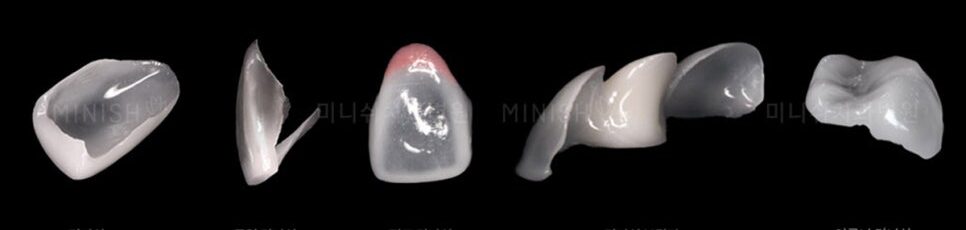
Bei mir sind es inzwischen sechs Jahre seit meinen MINISH-Restaurationen an den Molaren – Zähnen, die deutlich höheren Kaudruck aushalten müssen als die Frontzähne – und ich hatte dabei keine Absplitterungen oder Brüche.
In gewisser Weise habe ich an mir selbst einen „klinischen Langzeittest“ durchgeführt.
Wie Bonding dünne Restaurationen haltbar macht (eine einfache Analogie)
So erkläre ich es meinen Patientinnen und Patienten:
Ein einzelnes Blatt Papier reißt leicht. Wenn man jedoch viele Blätter zu einem festen Block zusammenklebt, wird er dick und stabil. MINISH funktioniert auf ähnliche Weise – durch starkes Bonding und eine strukturelle Verstärkung, wodurch eine funktionelle Schichtstärke wiederhergestellt wird, die das tägliche Kauen zuverlässig unterstützt.
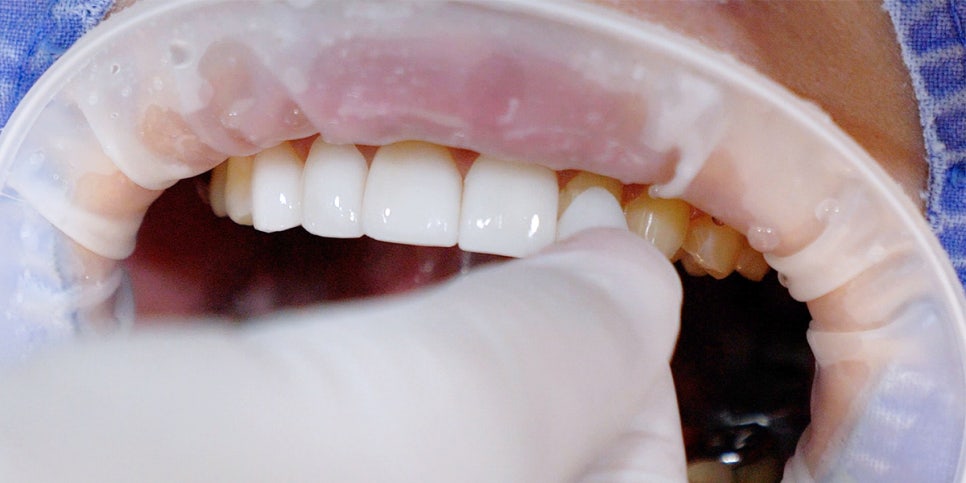
(Wie bei jeder Zahnrestauration hängt der Langzeiterfolg von den Bisskräften, Gewohnheiten wie Knirschen sowie der richtigen Pflege ab.)
Wie lange hält MINISH?
In der Praxis erkläre ich in der Regel, dass es eine Qualitätsgarantie von bis zu 15 Jahren gibt. Aus meiner persönlichen Erfahrung mit MINISH glaube ich, dass die Haltbarkeit – je nach Folgendem – weit darüber hinausgehen kann:
- Ihr ursprünglicher Zahnzustand
- Gewohnheiten wie Knirschen und Pressen
- Bissstabilität
- Mundhygiene und regelmäßige Kontrollen
- geeignete Schutzmaßnahmen (z. B. bei Bedarf eine nächtliche Aufbissschiene)
Nachdem ich selbst MINISH bekommen hatte, verstand ich, was der Entwickler von MINISH meinte, als er sagte, dass es danach ein bestimmtes „Gefühl“ gibt – etwas daran, wie stabil und komfortabel sich der Biss anfühlt. Da dachte ich: „Damit werde ich mindestens 20 Jahre gut zurechtkommen.“
Da Molaren naturgemäß der stärksten Abnutzung ausgesetzt sind, kann es sein, dass sie Jahrzehnte später erneut restauriert werden müssen. Insgesamt habe ich jedoch das Gefühl, dass MINISH – bei guter Planung und Pflege – genauso lange halten kann wie Ihre natürlichen Zähne.
Für Patientinnen und Patienten aus dem Ausland: Was Sie bei einer Reise für MINISH erwartet
Wenn Sie MINISH als internationale Patientin bzw. internationaler Patient in Betracht ziehen, ist der wichtigste Schritt eine genaue Diagnose und ein Behandlungsplan, der zu Ihren Zielen und und zu Ihrem Biss passt.
Eine umfassende Beratung umfasst in der Regel:
- Beurteilung von Zahnabrieb, Bissrelation und des Risikos für Pressen/Knirschen
- Kontrolle vorhandener Restaurationen (Inlays, Kompositfüllungen, Kronen)
- Screening auf Karies sowie Beurteilung der Zahnfleischgesundheit
- Besprechung, wie viele Zähne tatsächlich behandelt werden müssen (Molaren vs. Frontzähne vs. beides)
Wenn Sie nach einem festen Zeitplan reisen, ist es besonders hilfreich, vorab klare Fotos und aktuelle Zahnröntgenaufnahmen zu teilen, damit Ihre Klinik Sie zur Behandlungsdauer und zur Terminplanung beraten kann.
Mein Fazit (als Zahnärztin für Patientinnen und Patienten)
Ich habe MINISH gewählt, weil es nicht nur um ein helleres Lächeln ging – sondern darum, die Funktion wiederherzustellen, den Biss zu stabilisieren und weiteren Abrieb zu verhindern. Jahre später bin ich immer noch so zufrieden, dass ich es oft einfach „beweise“, indem ich einfach lächle.
Wenn Sie gerade entscheiden, ob MINISH das Richtige für Sie ist, hoffe ich, dass meine Erfahrung Ihnen hilft, sich besser informiert – und beruhigter – zu fühlen.
Hinweis: Dieser Artikel wurde aus dem Originalartikel mit Zustimmung der Autorin bzw. des Autors übersetzt und veröffentlicht.
Kontakt
Starten Sie noch heute den Weg zu Ihrem neuen Lächeln
Kontaktieren Sie uns, wenn Sie in Korea englischsprachige Zahnärztinnen und Zahnärzte suchen. Wir haben auch deutschsprachige Dolmetscherinnen für Sie. Wir werden täglich von lokalen und internationalen Patientinnen und Patienten kontaktiert, die in verschiedenen Ländern und Zeitzonen arbeiten.