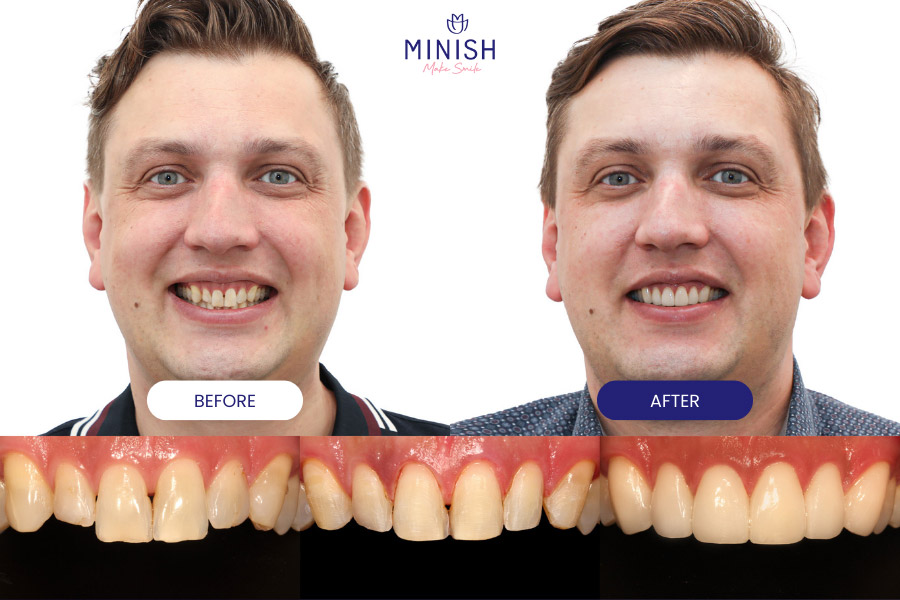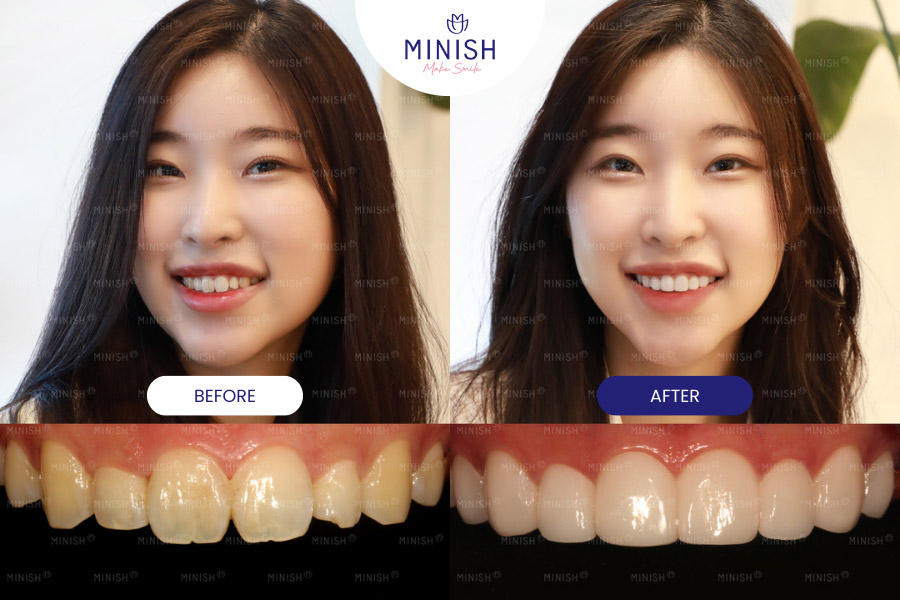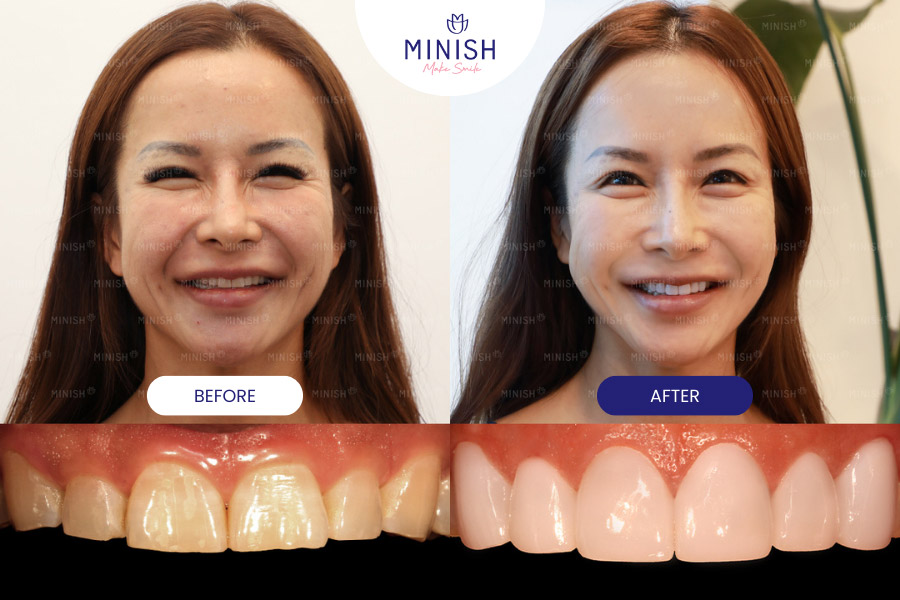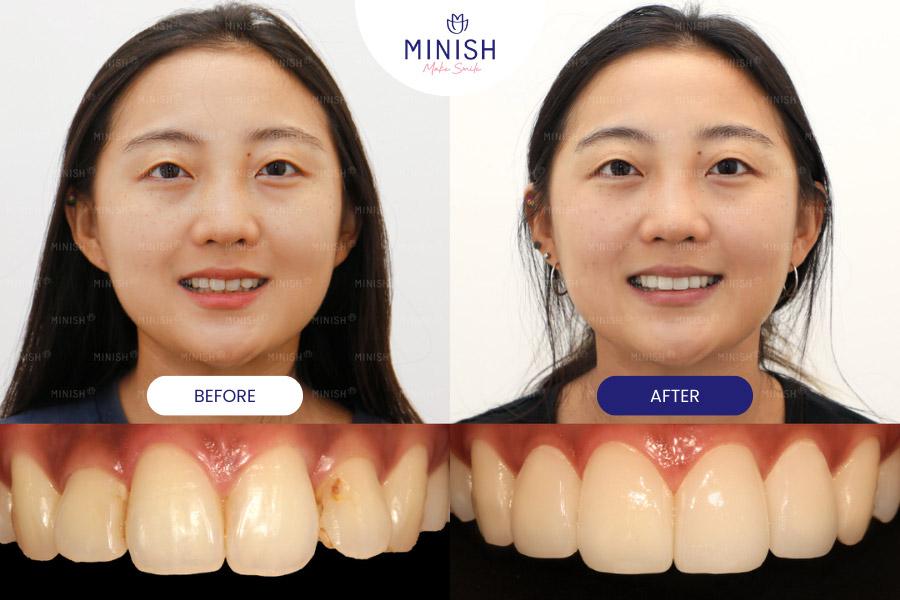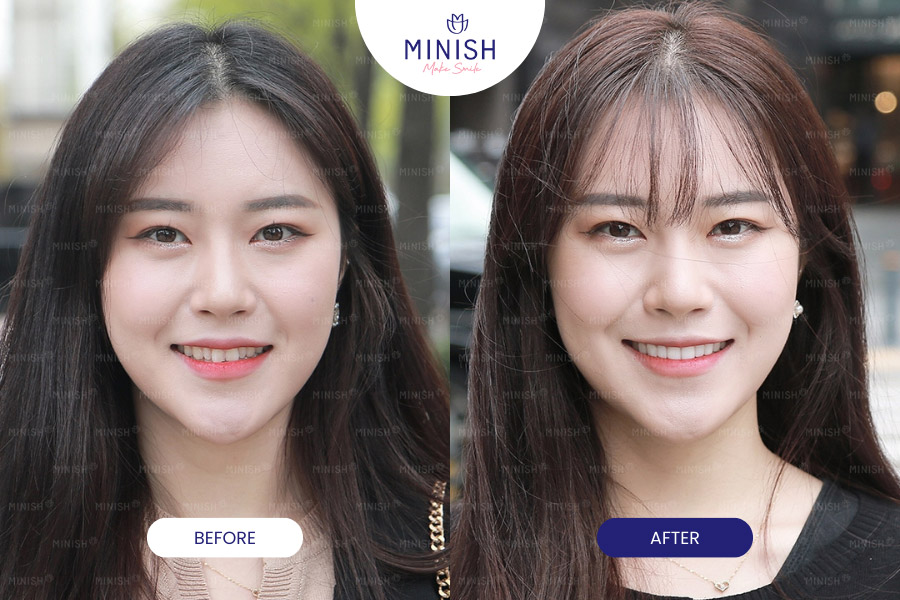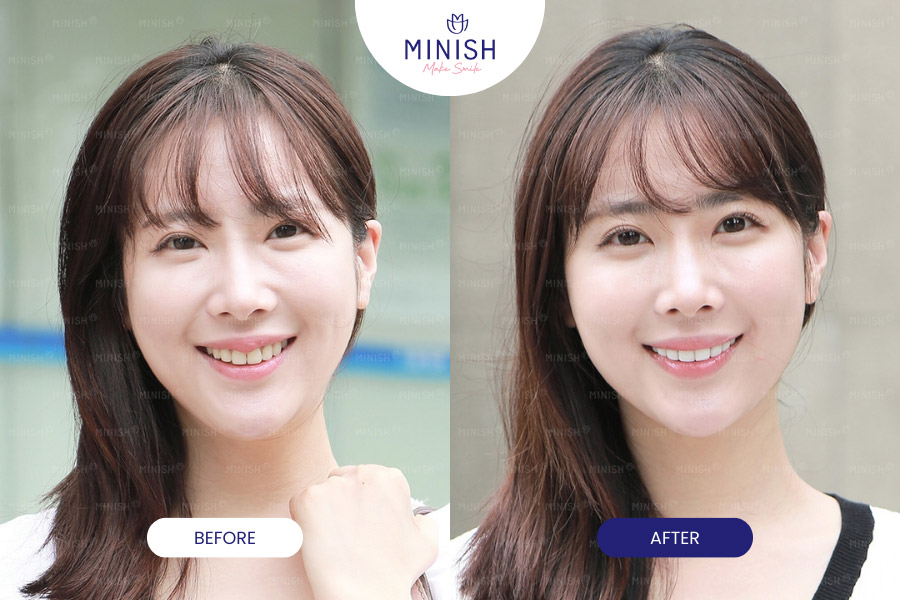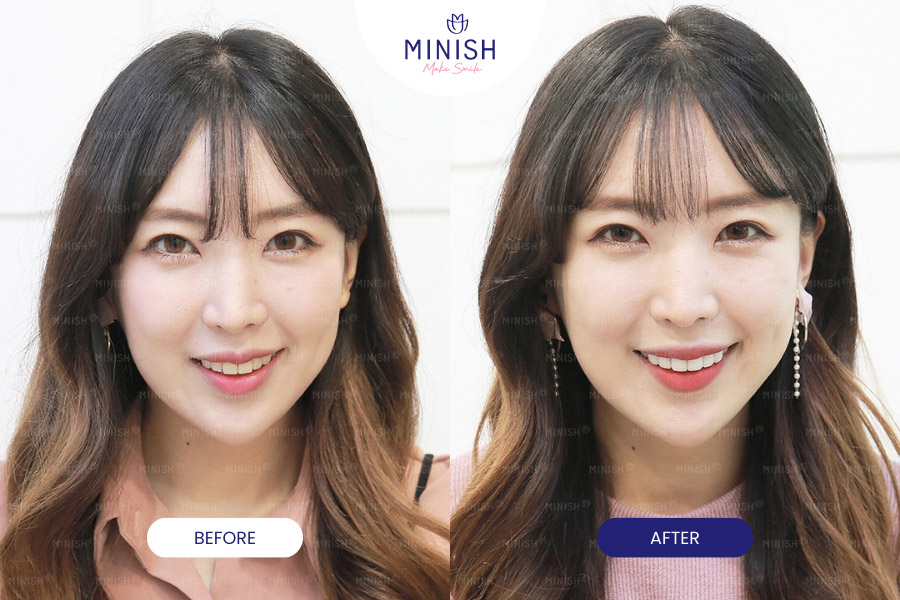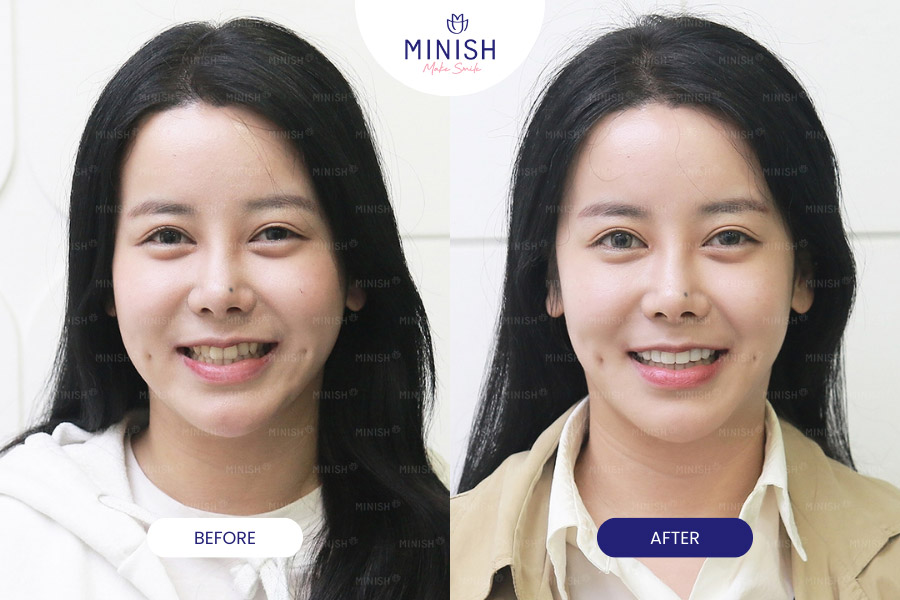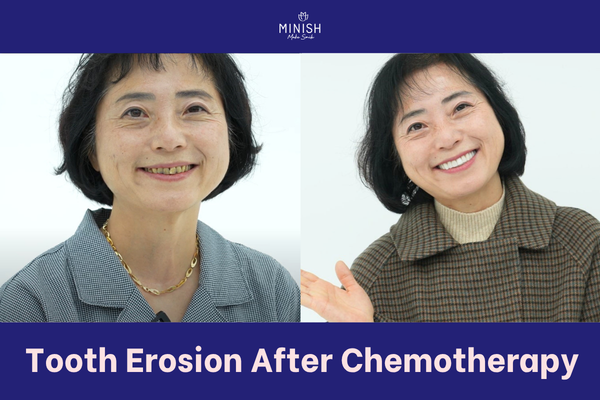
Tooth Erosion After Chemotherapy: Why Choose MINISH Instead of Crowns?
Contents
- When Chemotherapy Affects Your Teeth: A Restorative Dentistry Option for Medical Tourists
- Patient Story: Rapid Cavities, Darkened Teeth, and Difficulty Chewing
- Why Dental Problems Can Progress After Chemotherapy
- When Conventional Dental Care Isn’t Enough
- Treatment Approach: Full-Mouth Restoration with MINISH (Including Periodontal Care)
- Key Outcome: No Root Canal Treatment Was Needed
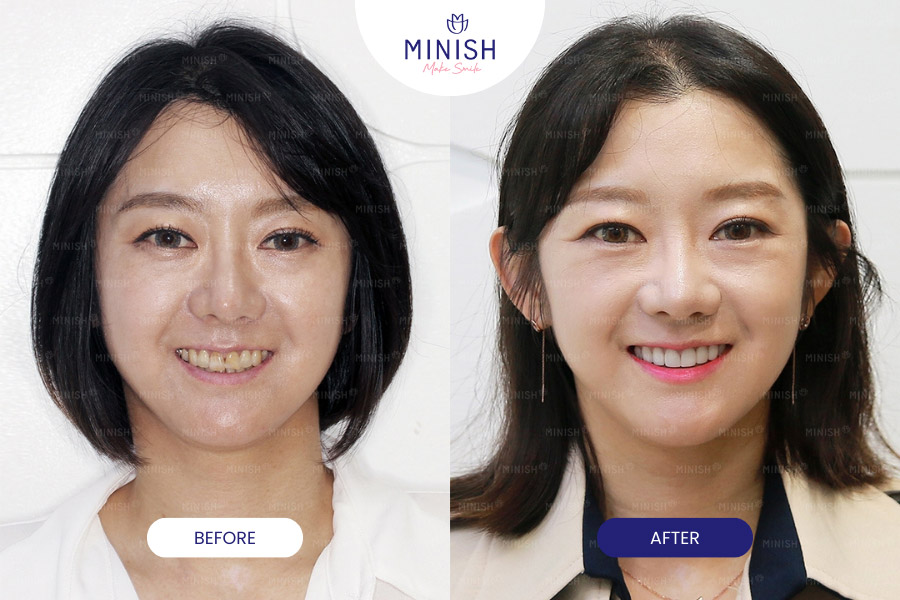
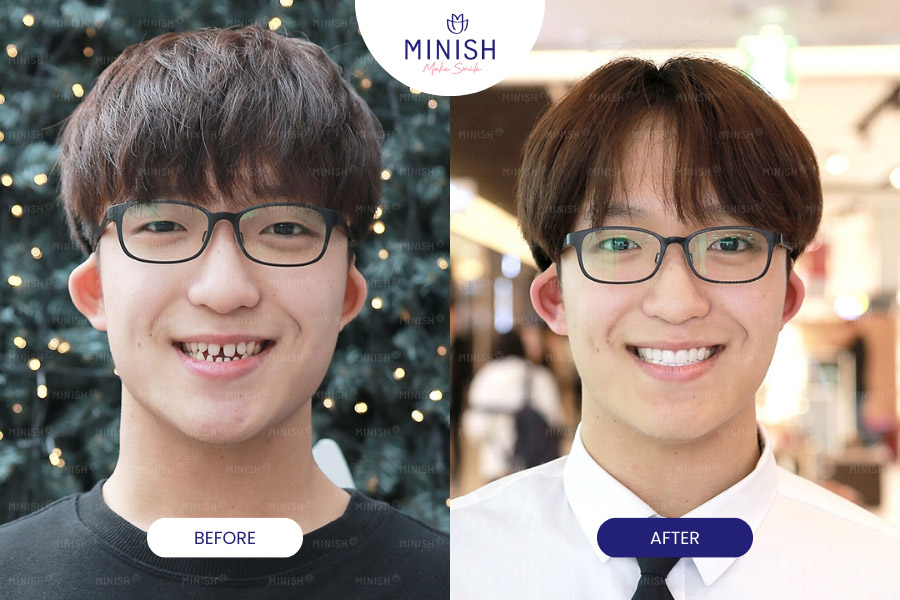
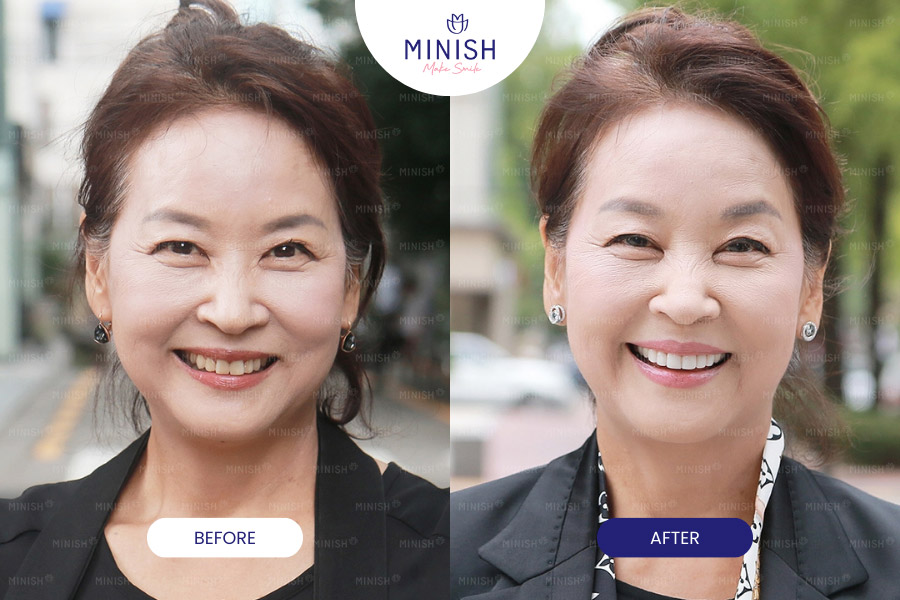
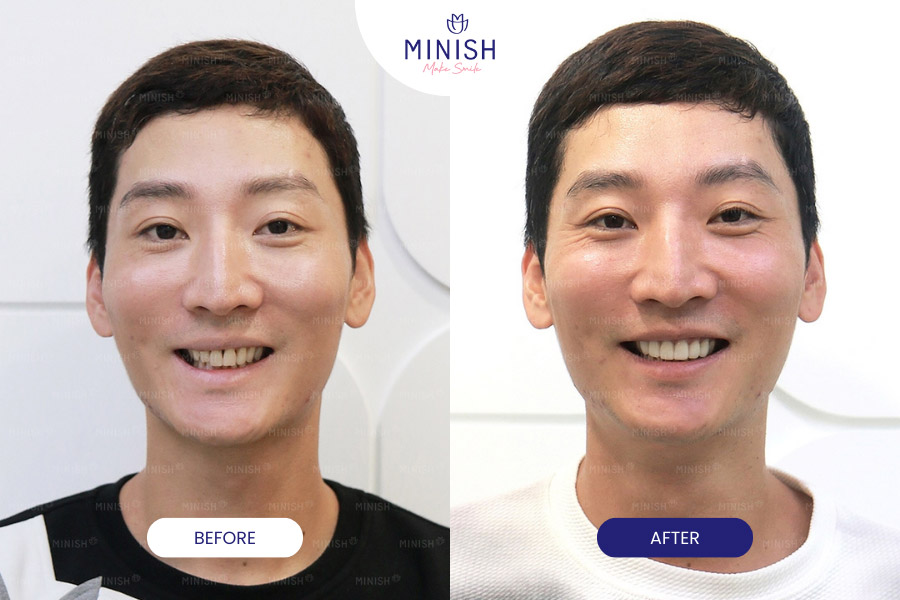
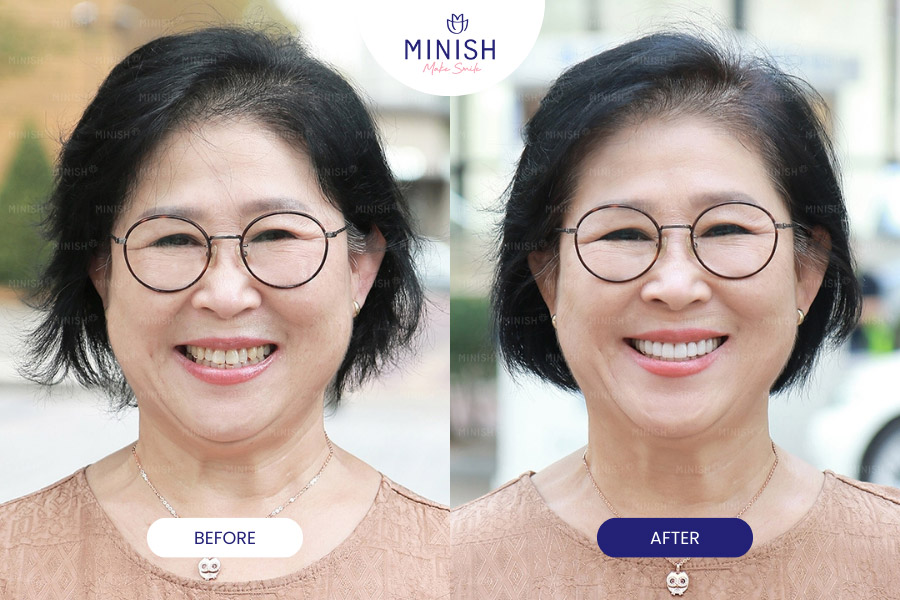
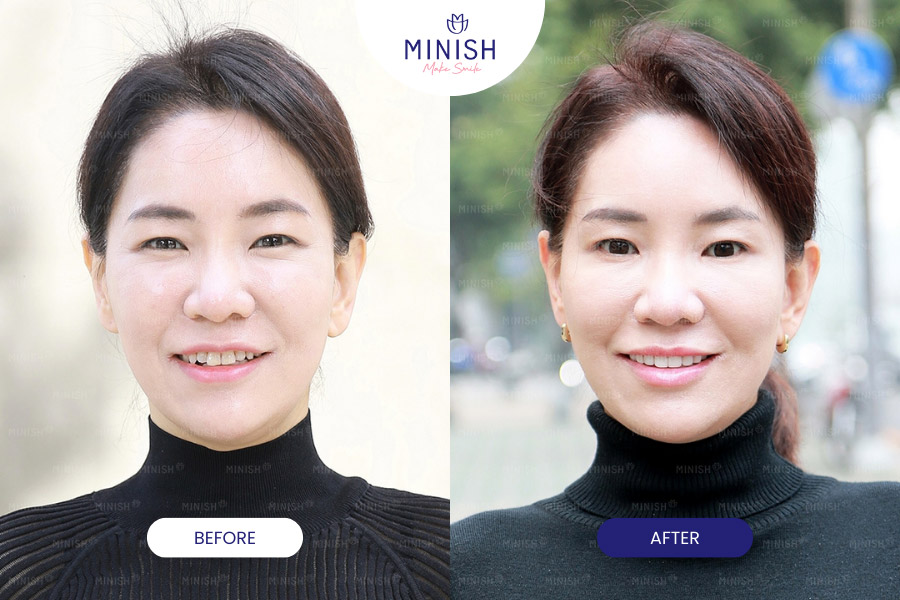
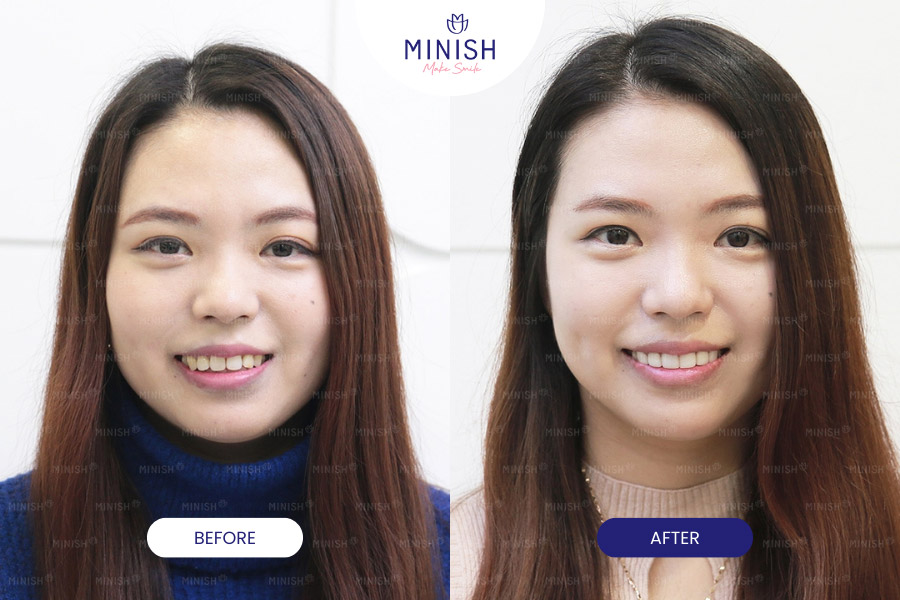
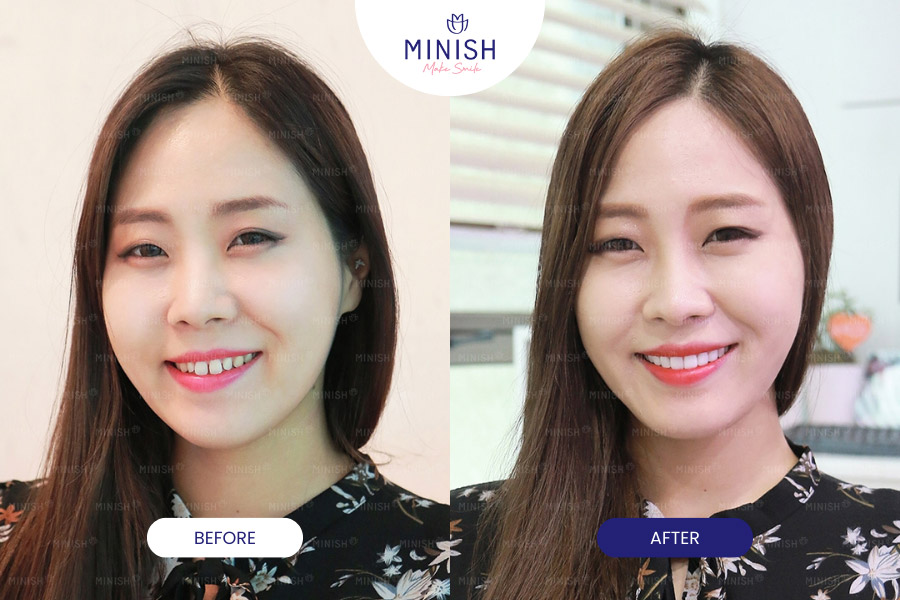
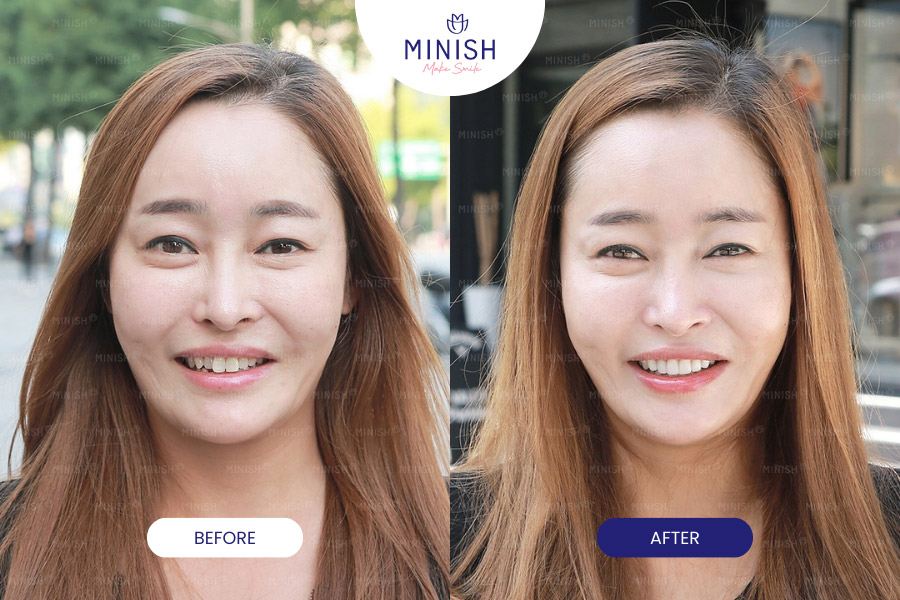
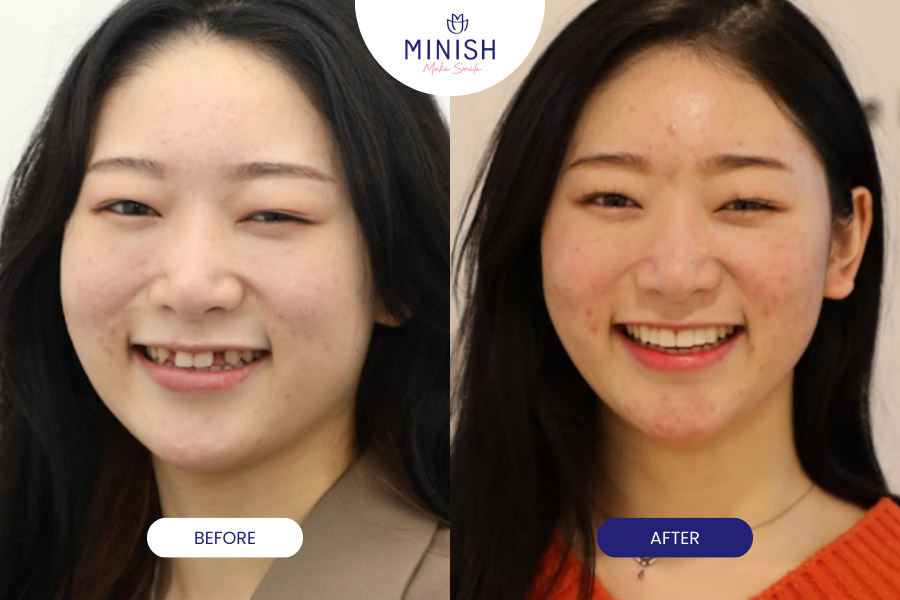
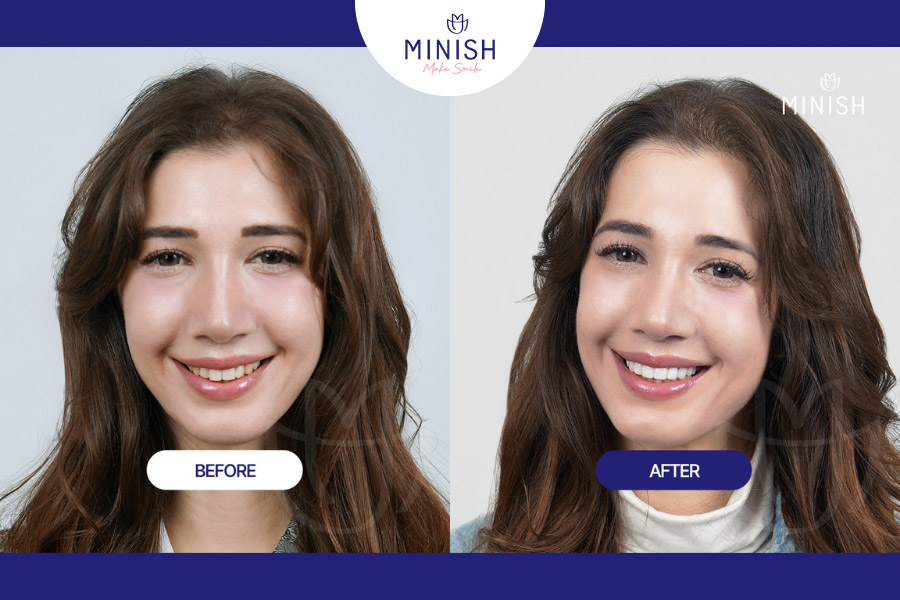
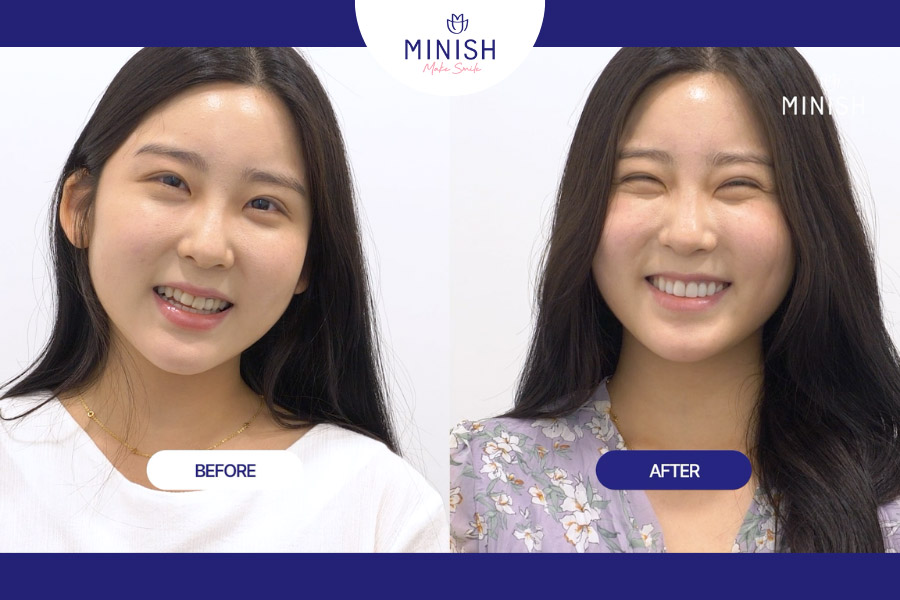
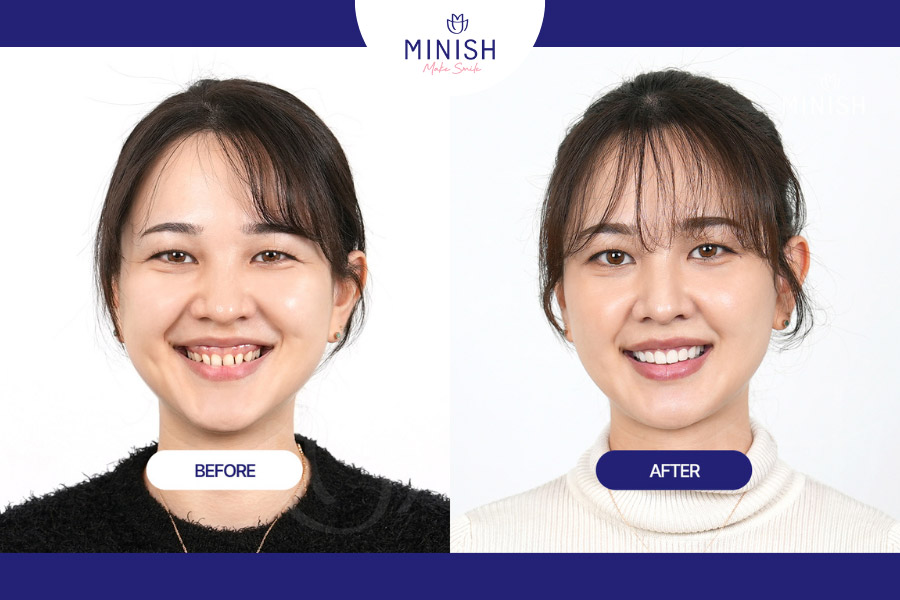
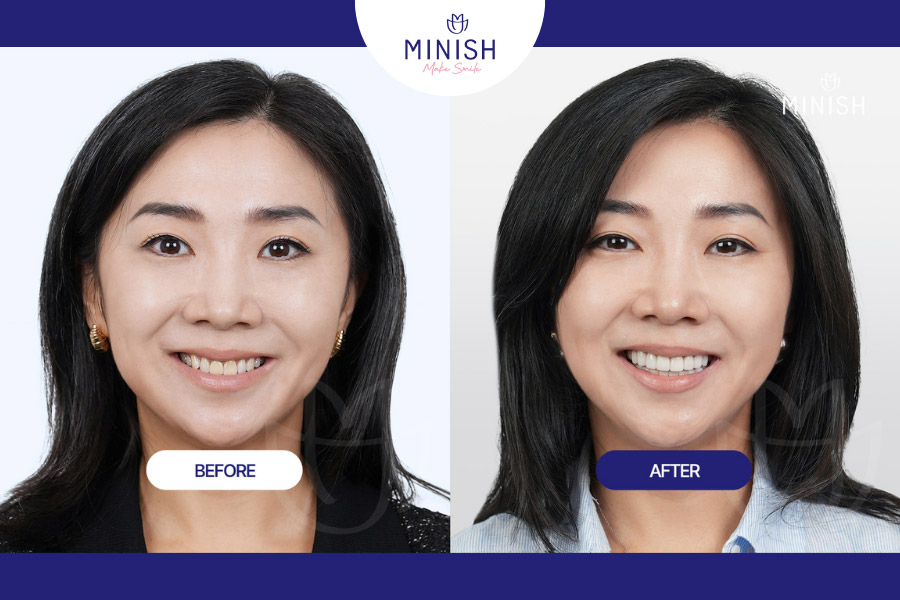
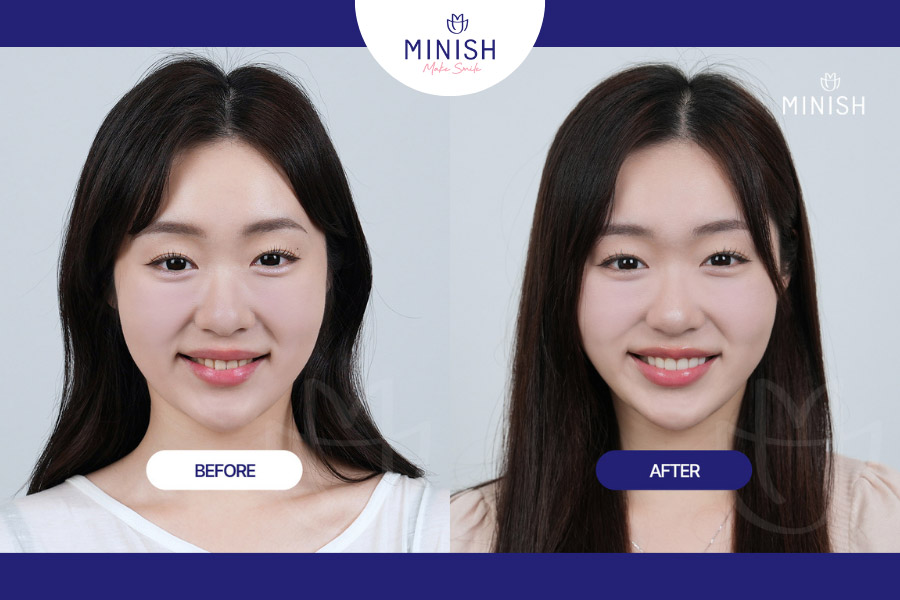
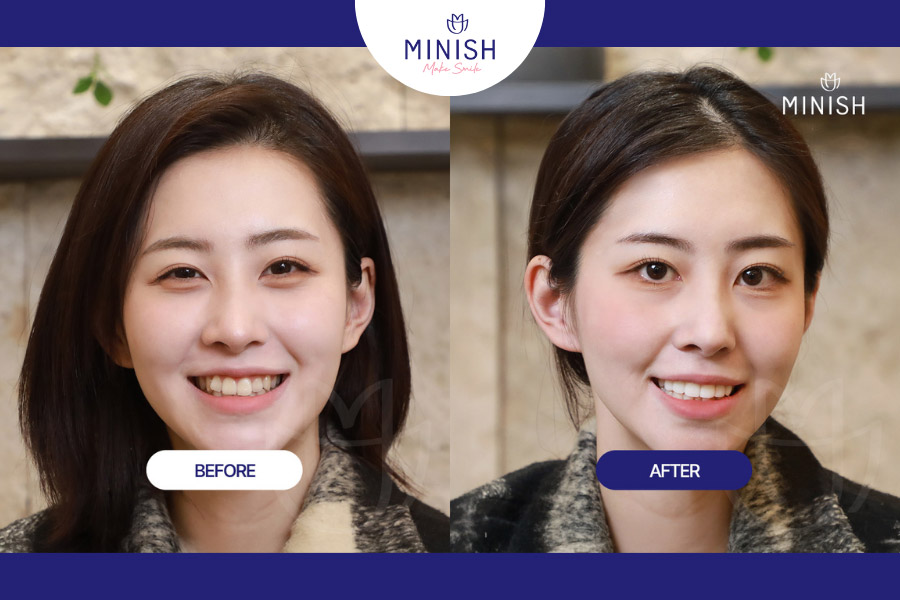
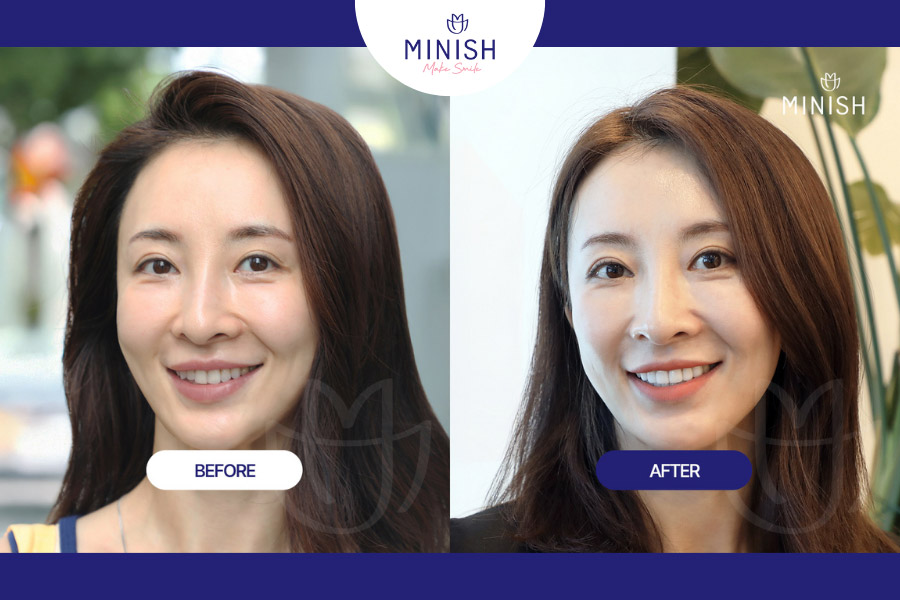
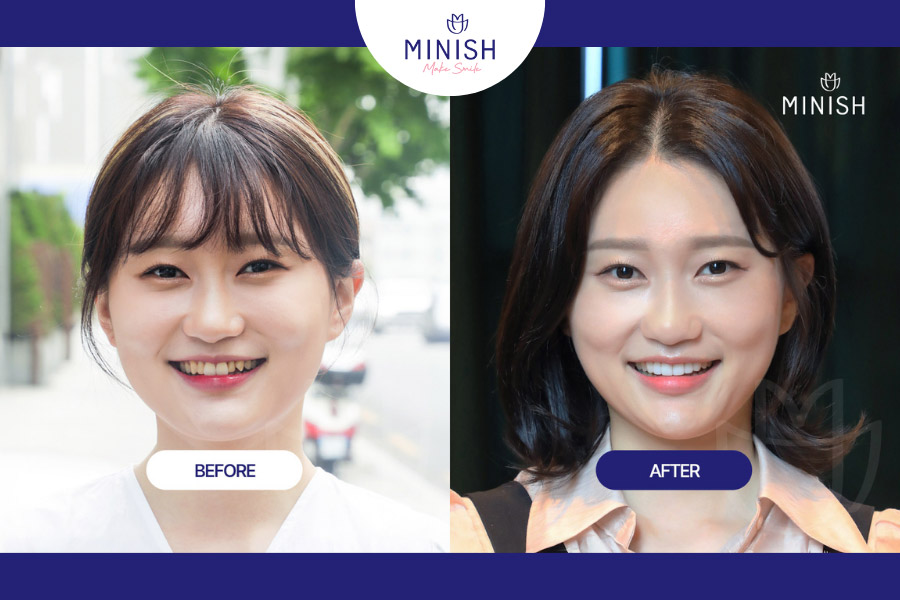
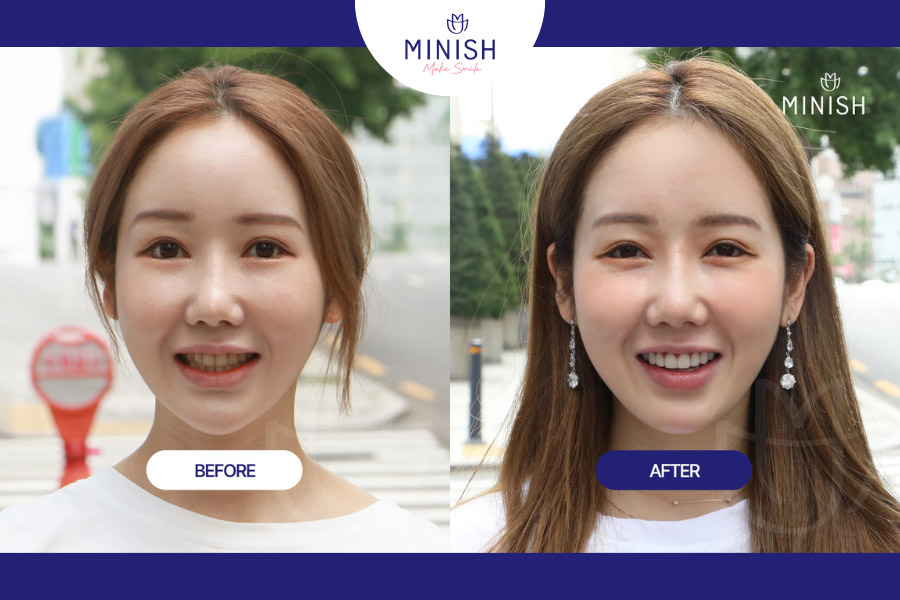
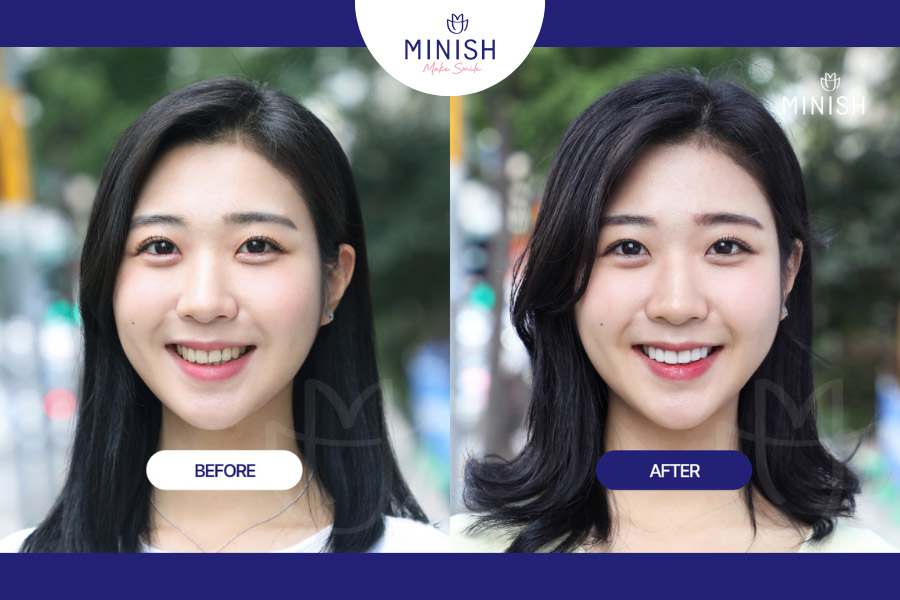
- Results: Restored Bite, Brighter Smile, and Renewed Confidence
- Considering Dental Restoration After Cancer Treatment (For International Patients)
- Next Step: Get a Professional Evaluation
- Contact Us
- Start Your New Smile Today
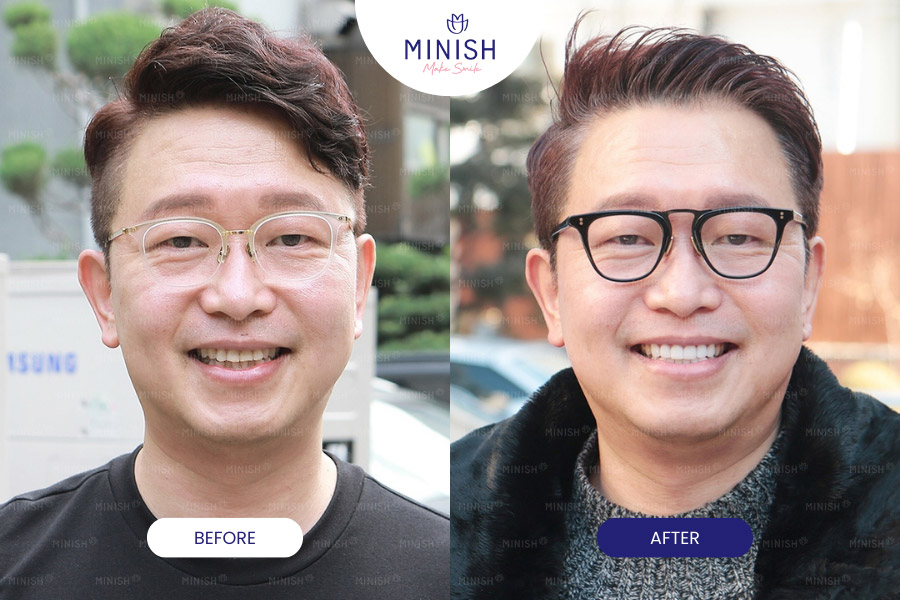
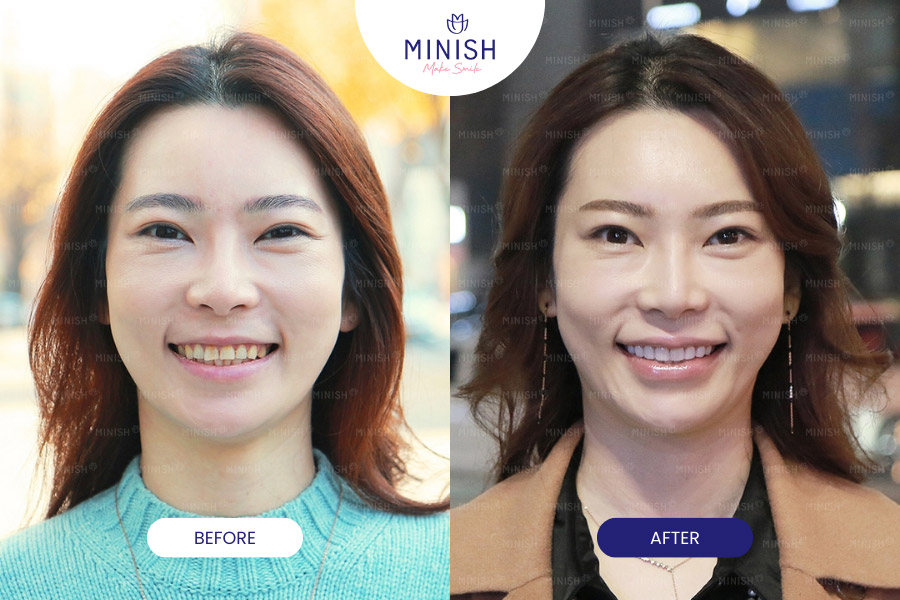
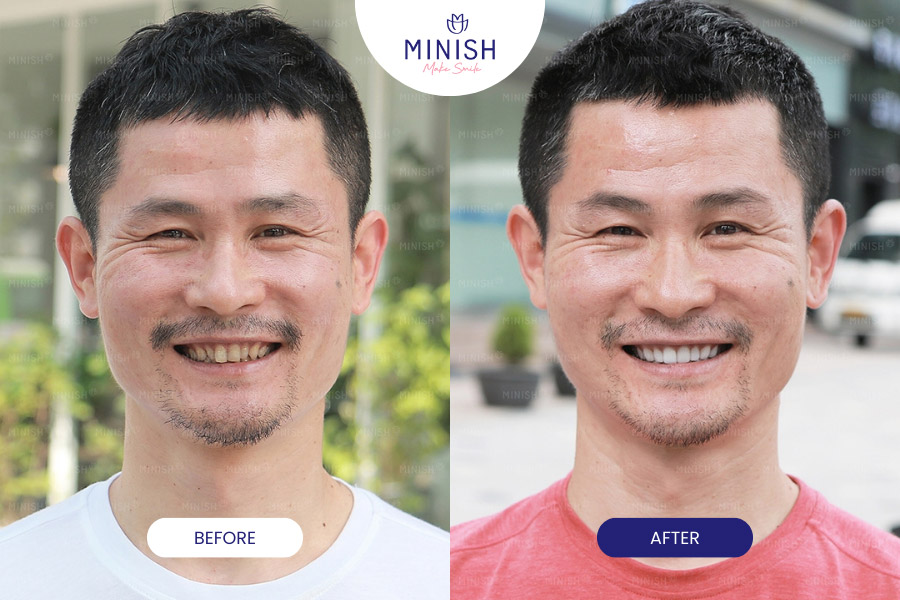
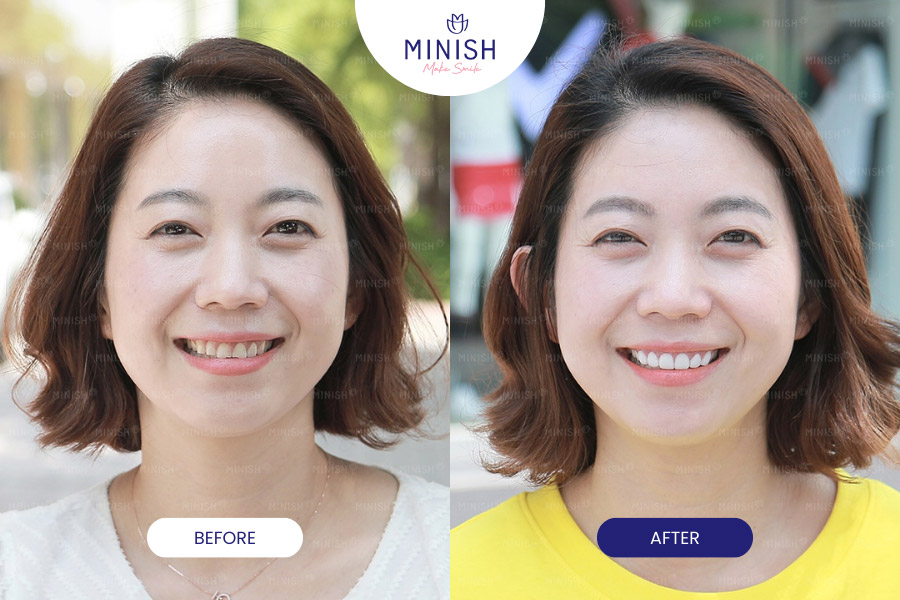
- MINISH Before & After
When Chemotherapy Affects Your Teeth: A Restorative Dentistry Option for Medical Tourists
Chemotherapy can be lifesaving—but it may also come with oral side effects that catch many patients by surprise. One common issue is reduced salivary gland function. When saliva production drops, the mouth’s natural defense system weakens: harmful microorganisms become more active, plaque builds more easily, and cavities can progress rapidly.
For some patients, this results in multiple new cavities after cancer treatment, along with wear, erosion, sensitivity, and noticeable discoloration. Even after regaining overall health, it can be distressing to face lingering dental problems that affect eating, appearance, and confidence.
This post introduces a real restorative case in which a patient sought comprehensive recovery after chemotherapy-related tooth damage.
Patient Story: Rapid Cavities, Darkened Teeth, and Difficulty Chewing
The patient, in their early 50s, completed a long course of cancer treatment and recovered medically—but later noticed major changes in their teeth:
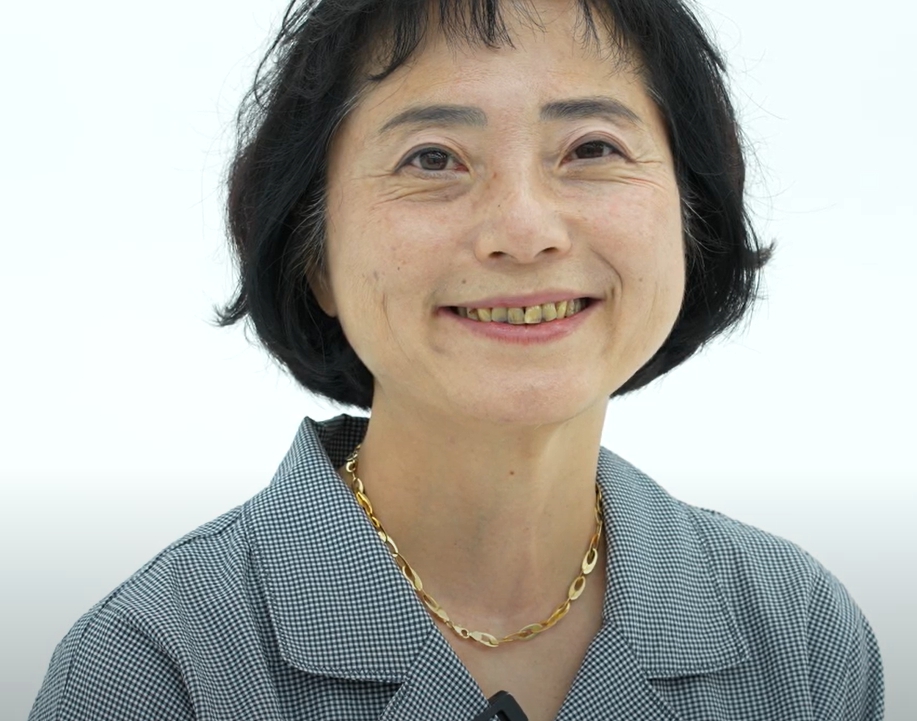

- Widespread darkening and discoloration
- Multiple cavities that developed after chemotherapy
- Wear and erosion that made chewing difficult
- Strong sensitivity, especially to sweet and sour foods
They described feeling emotionally burdened: every time they saw their damaged teeth, it reminded them of the difficult period of illness. Socially, they began hiding their mouth with a hand, avoiding big smiles in photos, and hesitating in new relationships.
Why Dental Problems Can Progress After Chemotherapy
Saliva plays a major role in oral health by:
- Rinsing food debris
- Buffering acids that lead to demineralization
- Helping control cavity-causing bacteria
When salivary function declines, the oral environment becomes more prone to cavities and enamel breakdown. If this continues for months or years, damage can spread—especially along the gum line and in weakened areas such as cracked or previously restored teeth.
When Conventional Dental Care Isn’t Enough
After chemotherapy, the patient continued routine dental care—such as scaling and resin treatments—but the damage kept recurring and progressing. Their local clinic director ultimately recommended a more comprehensive restorative option, explaining that standard approaches might require significant tooth reduction to achieve stability.
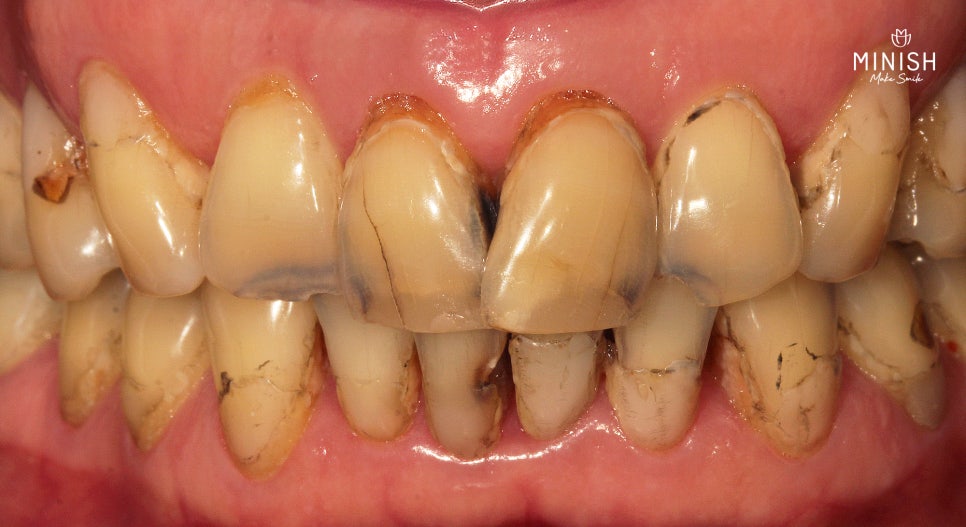
In many severe full-mouth cases, patients are told they may need extensive crown treatment, sometimes combined with root canal therapy and a long treatment timeline. For someone already physically and emotionally exhausted after cancer treatment, that kind of plan can feel overwhelming.
Treatment Approach: Full-Mouth Restoration with MINISH (Including Periodontal Care)
At MINISH Dental Hospital, Director Sang-gil Lee created a full-mouth plan that included:
- Thorough assessment of the entire mouth
- Necessary preparatory and periodontal management
- Full-mouth restoration completed over three days (after preparation)
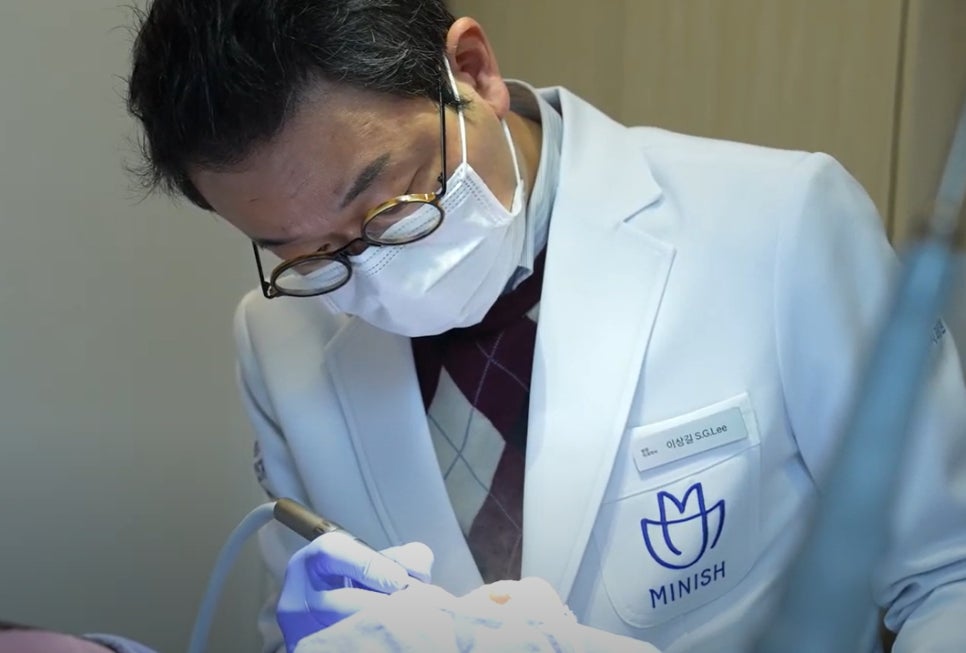
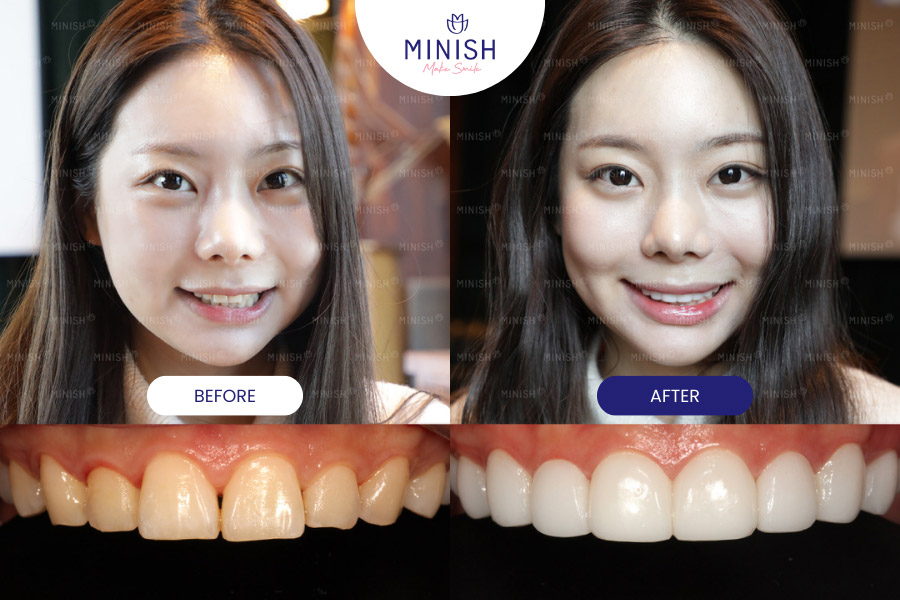
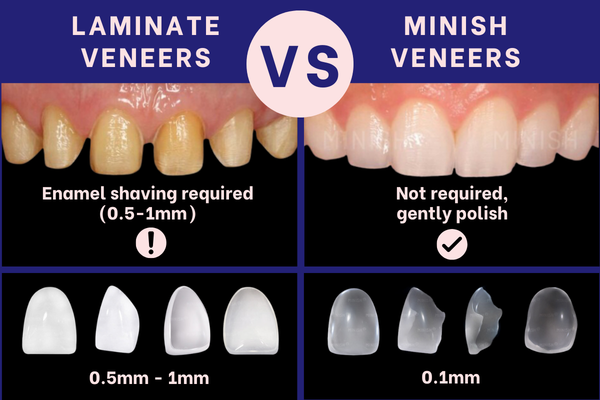
Because the patient had widespread cavities along with wear, erosion, cracks, and staining, treatment was performed using the Dual MINISH method, which covers both the front and back surfaces of the teeth. This can be considered in cases where broad damage exists and the patient wishes to restore function and aesthetics while aiming to minimize additional tooth reduction.
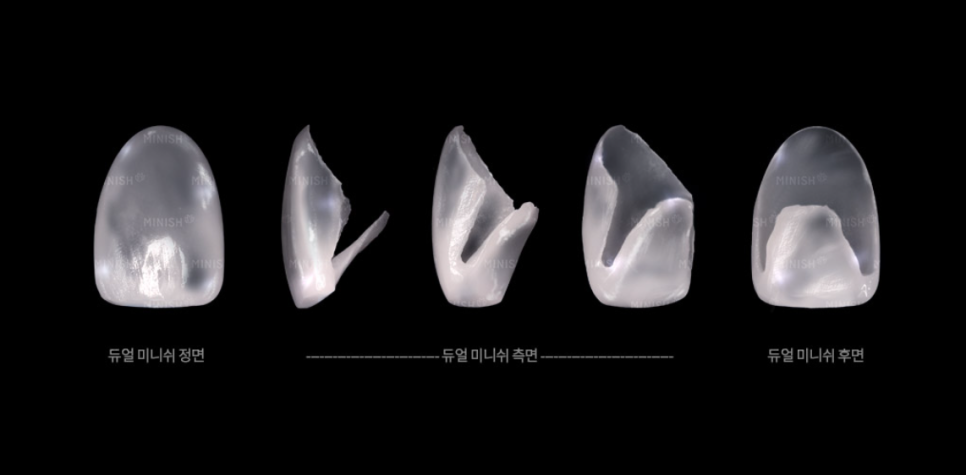
Importantly, after two months of periodontal care, the patient’s teeth maintained pulp vitality, and they reported no sensitivity or pain.
Key Outcome: No Root Canal Treatment Was Needed
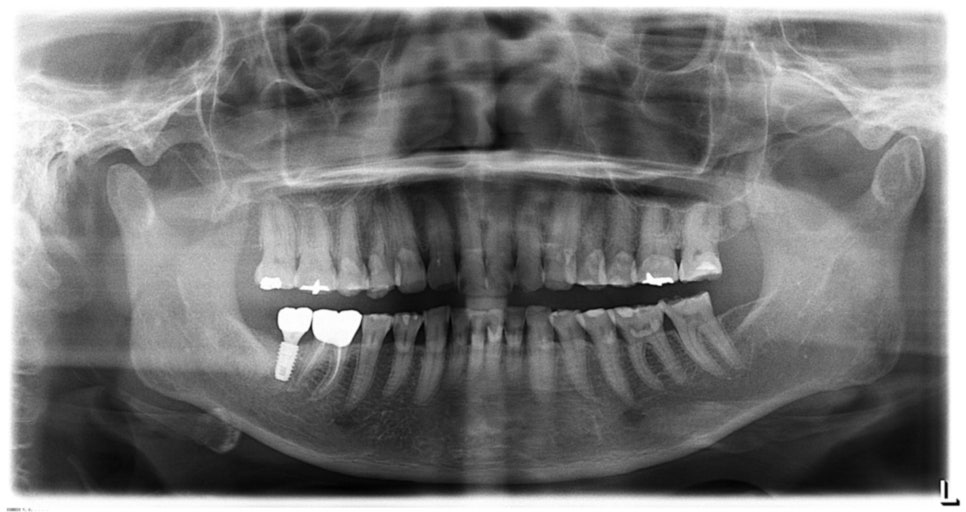
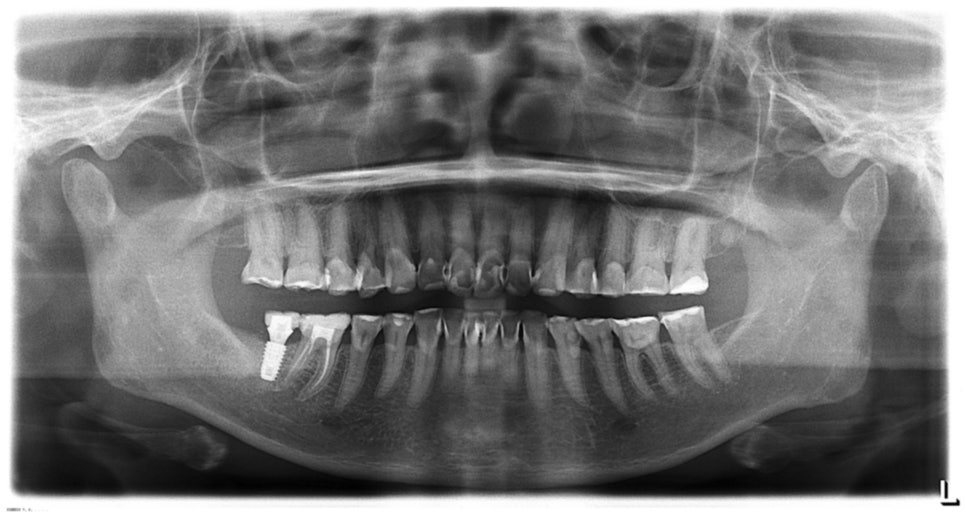
A notable part of this case was the panoramic comparison:
- Despite multiple cavities and severe visible damage, imaging confirmed that root canal treatment was not required.
- This differs from common “remove the nerve and place crowns” pathways often seen in full-mouth reconstructions.
Results: Restored Bite, Brighter Smile, and Renewed Confidence
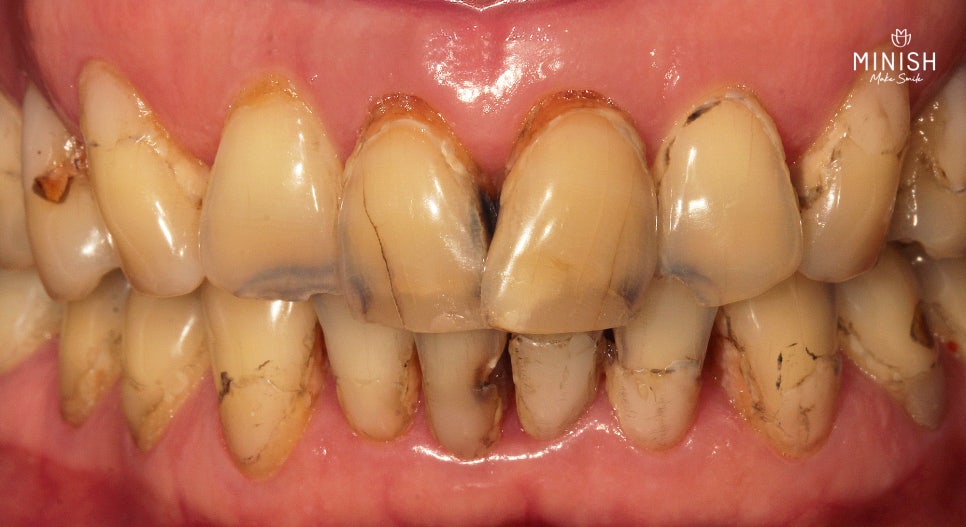
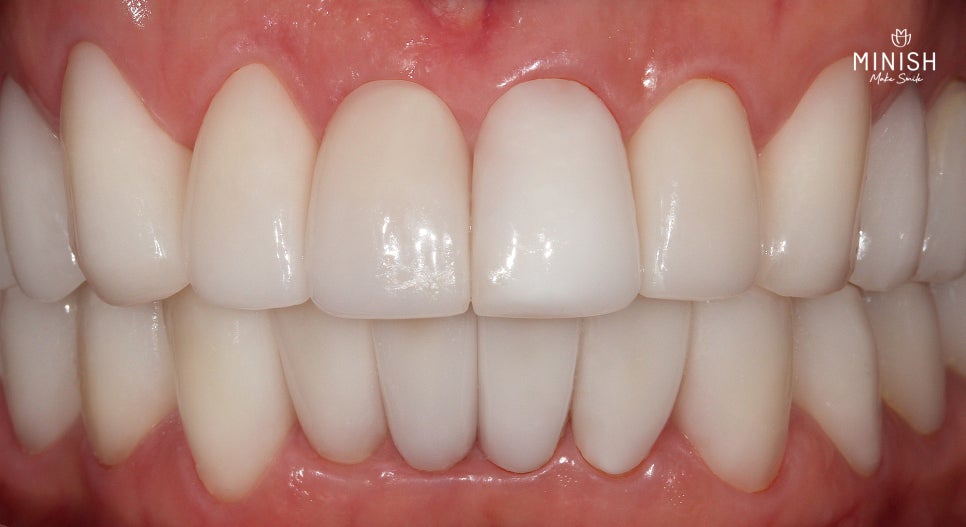
After treatment and an adjustment period:
- Chewing became comfortable again
- Pain with sweet and sour foods disappeared
- Tooth color became significantly brighter
- The patient felt relieved that the issue was addressed “at the source,” not just cosmetically
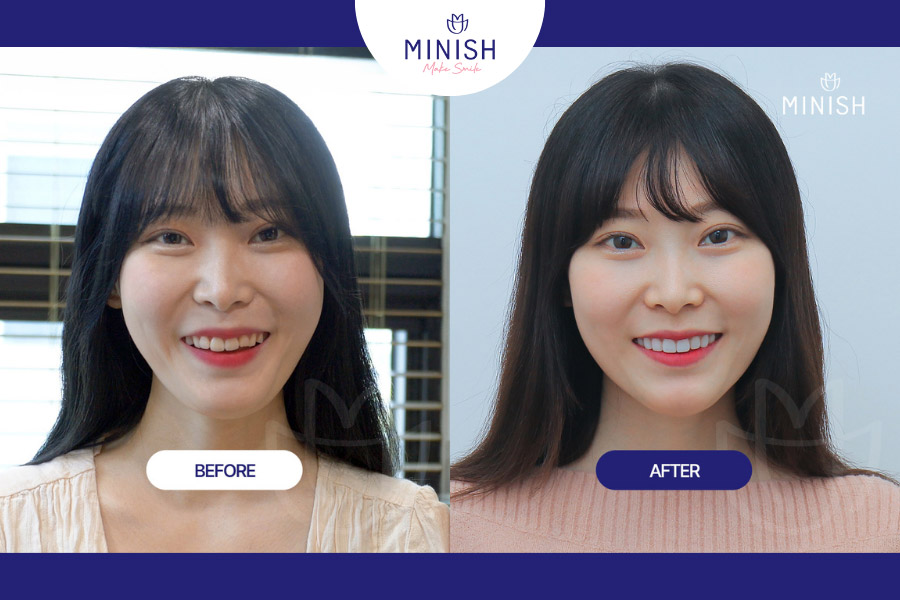
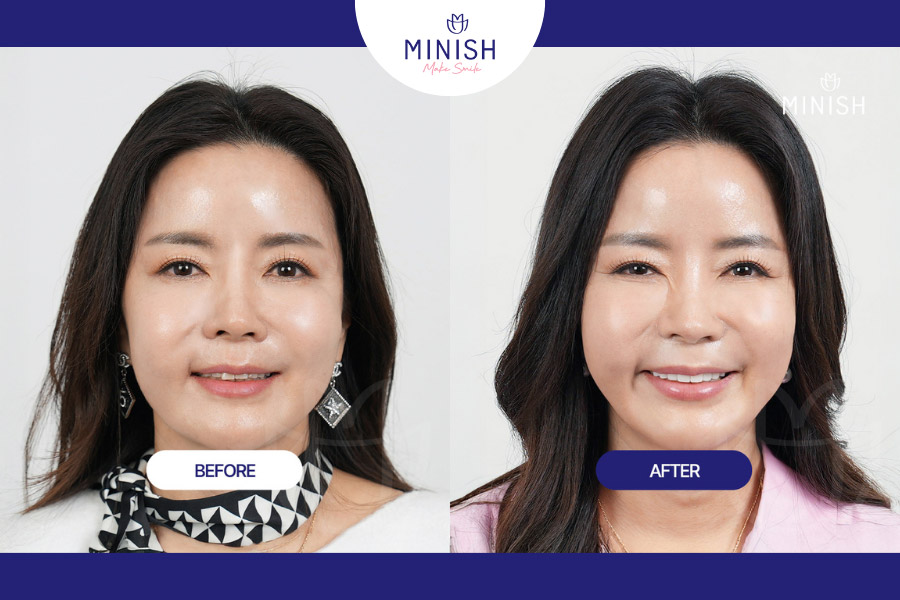
Perhaps most meaningful was the emotional change. With restored teeth, the patient regained confidence, began engaging more socially, and even pursued a new job—sharing that they could finally smile fully in photos without hesitation.
Considering Dental Restoration After Cancer Treatment (For International Patients)
If you’re visiting Korea for medical or dental tourism and have experienced:
- multiple cavities after chemotherapy
- severe tooth wear, erosion, or cracking
- discoloration that feels “beyond whitening”
- sensitivity that affects daily eating
…it may be worth consulting a clinic experienced in comprehensive restorative dentistry for post-cancer patients. A personalized plan—especially one that includes periodontal management and careful evaluation of nerve vitality—can make a significant difference in long-term comfort and function.
Next Step: Get a Professional Evaluation
Every case is unique. If you’re concerned about dental changes after chemotherapy, we recommend a professional consultation to evaluate:
- cavity activity and enamel integrity
- gum health and inflammation
- bite stability and functional wear patterns
- whether full-mouth restoration is appropriate
Even with extensive damage, there may be practical solutions to help you return to daily life with comfort and confidence.
Note: This article was translated and published from the original with consent from the author.
Contact Us
Start Your New Smile Today
Contact us for English speaking dentists in Korea. We are contacted daily by local and international patients who work in multiple time zones and in various countries